Our Editor’s Smile Score and What It Reveals About Your Workplace

Too much design is reactive, cosmetic and ignores the humans who use it. Design Anthology’s editor-in-chief Jeremy Smart makes a case for considering context, care and why the real test of any environment is whether the people inside it are smiling
Bill Bensley keeps a set of leather-clad dumbbells in his customised Volkswagen Caravelle. The mobile office, living room and gym that ferries him through Bangkok’s notorious traffic is — much like Bill himself — charmingly eccentric yet practical, a design solution to the city’s everyday grind. Why shouldn’t we turn mind-numbing congestion into an opportunity to get the blood pumping?
I spotted this unique set-up while catching up with the architect and designer at his Wonka-esque studio in Bangkok’s heart. As we parted ways, Bill offered me his driver to take me to my next appointment. Not an unusual gesture in this part of the world, but a kind one nonetheless. It made me wonder where this instinct has gone in the broader business of hospitality, where everything seems to come with a bill to be signed and is more concerned with the former than the latter.
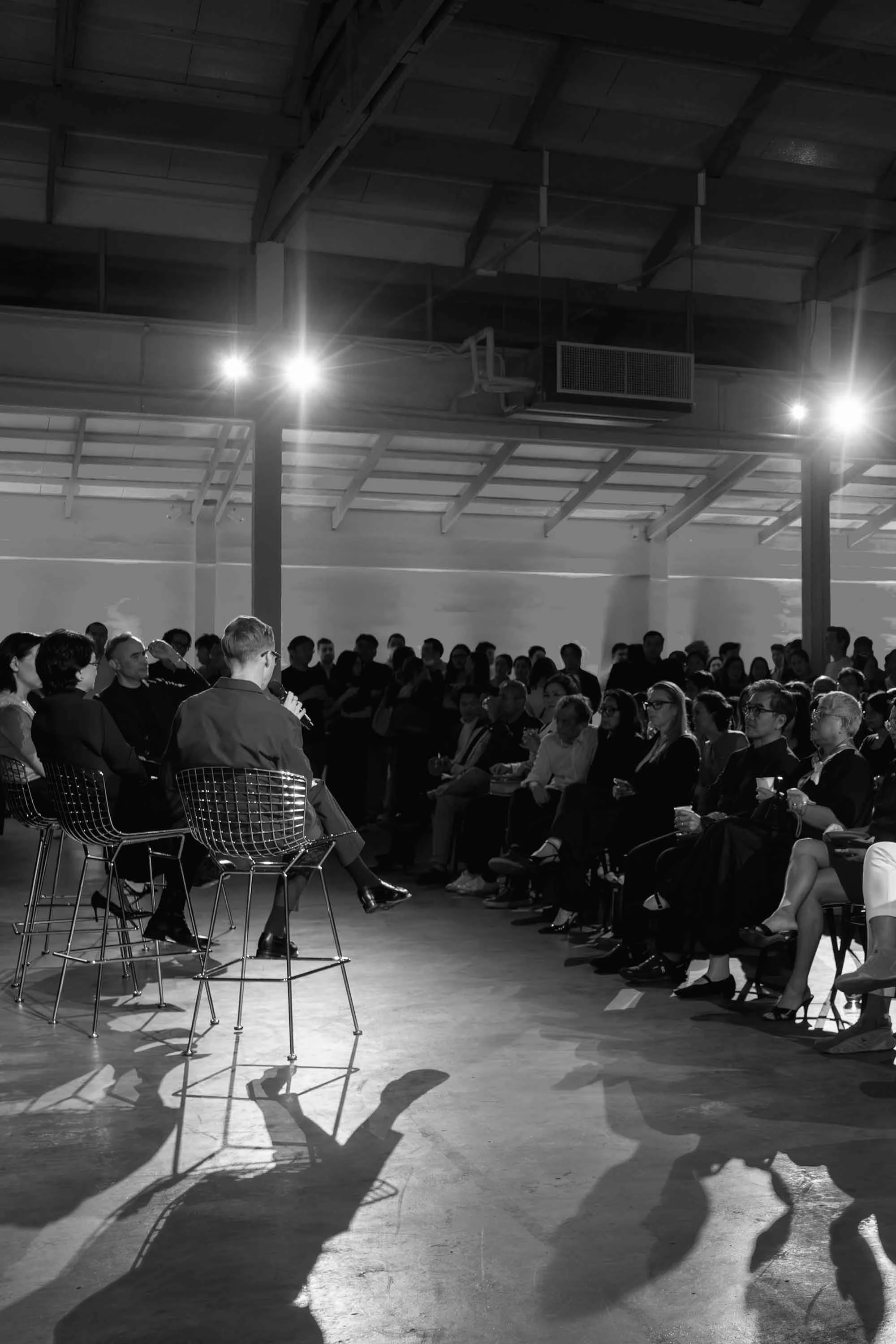
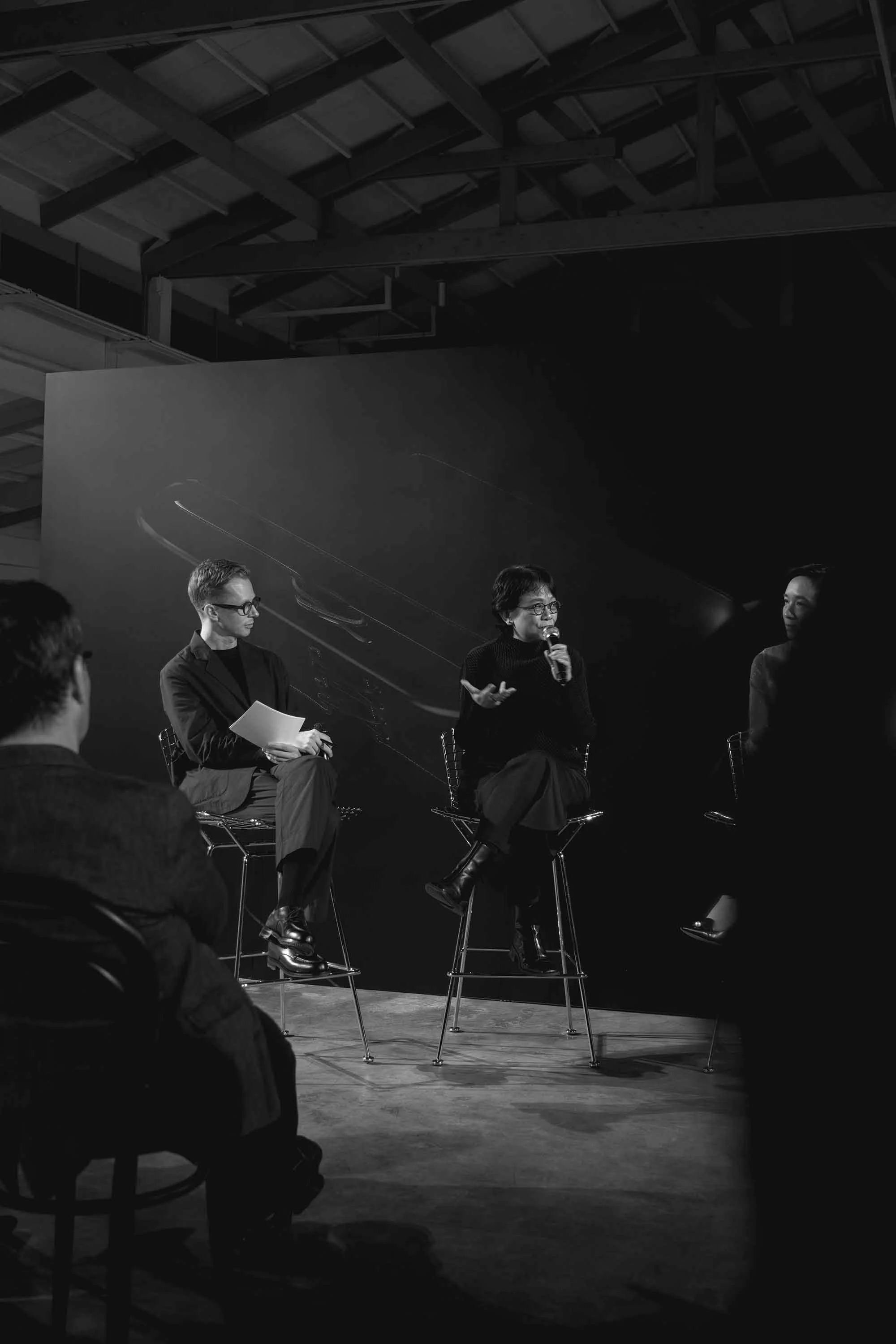
I was in Bangkok to host a conversation on the legacy of Florence Knoll (pictured below) with our friends at MillerKnoll and Chanintr. We talked about the evergreen principles of designing spaces for life and work: how to bring pieces of furniture with heritage and history into an interior responsibly, and why design must account for the whole story — the hard and soft, the structural and the human. We returned, repeatedly, to the idea of designing for context, what Knoll called ‘total design’, where everything should be conceived in relation to its larger context. Too much of the design industry today works in isolation and is reactive and cosmetic.
Designing environments that people both relish and cherish requires optimism and adaptability, but most importantly empathy and care. You have to give a damn: about your colleagues, makers and builders, end users, and your literal and metaphorical neighbours. To do so, Bill advocates for getting off screens and paying attention to the world around you: by watching, reading and listening. To understand what works and what doesn’t, you’re going to need to actually show up — not just dial in.
At Bill’s studio, I shadowed him on an afternoon of MBWA (Management By Wandering Around), perhaps the simplest and most effective diagnostic tool available. Having visited countless studios, factories and headquarters of companies large and small, I’ve found the best measure of an organisation’s culture is the number of smiles I spot. It’s immediately clear whether people feel respected, trusted and have agency. Even in more studious workplaces, it’s pretty obvious whether a team is performing happiness for a hovering manager or taking real pleasure in their work. It’s difficult to fake camaraderie, and joy is infectious and obvious to visitors. Workplaces that achieve high smile scores are rewarded with long tenures, low turnover and a resulting sense of institutional choreography that only time can buy.
As you plan the months ahead, I’d implore you to consider this a metric worth monitoring. All of us should ask, more often than we do, whether the places we shape, commission or write about actually bring pleasure to the people inside them — or whether they simply serve a company’s bottom line or a set of hollow KPIs.
If you’re due for some real-world lessons in ‘total design’ (and of course great hospitality), find a window in your diary for 8–14 March. There are still a couple of places remaining on our fast-filling trip to Chandigarh. I’d love to have your company in the foothills of the Himalayas for eye-opening studio visits, good food and wine, enlightening conversation amongst new friends, and some real-world MBWA. Smiles guaranteed.
Text by Jeremy Smart