Revisiting the Design Philosophy That Can Fix the Modern Workplace
In an era of short-lived offices and borrowed workplace models, Knoll brings together Thailand’s design community in Bangkok to reconsider Florence Knoll’s idea of Total Design and its enduring mark on how we design today
The office has undergone profound change in recent years. Once a predictable hub of productivity and innovation, it now finds itself unsettled, negotiating its place in a world of hybrid schedules and flexible layouts.
For architects and designers, the brief has evolved. Workplaces must now do more than just accommodate activity; they must foster connection and collaboration, support evolving patterns of work, and remain relevant over time. The challenge is particularly acute in Southeast Asia, where rapid urban growth, dense cities and deeply rooted work cultures collide with workplace models that promise adaptability but rarely reflect local nuance.
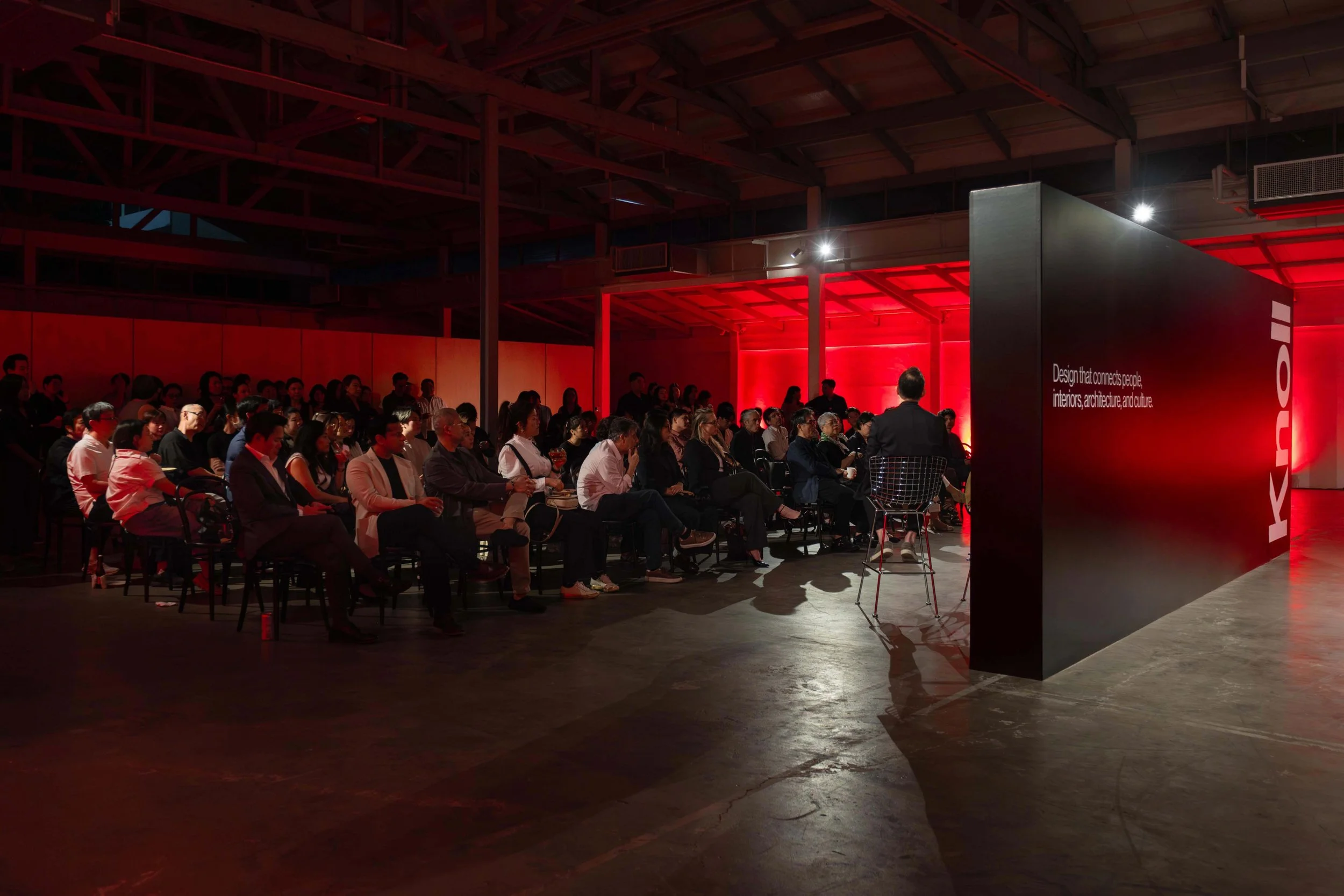
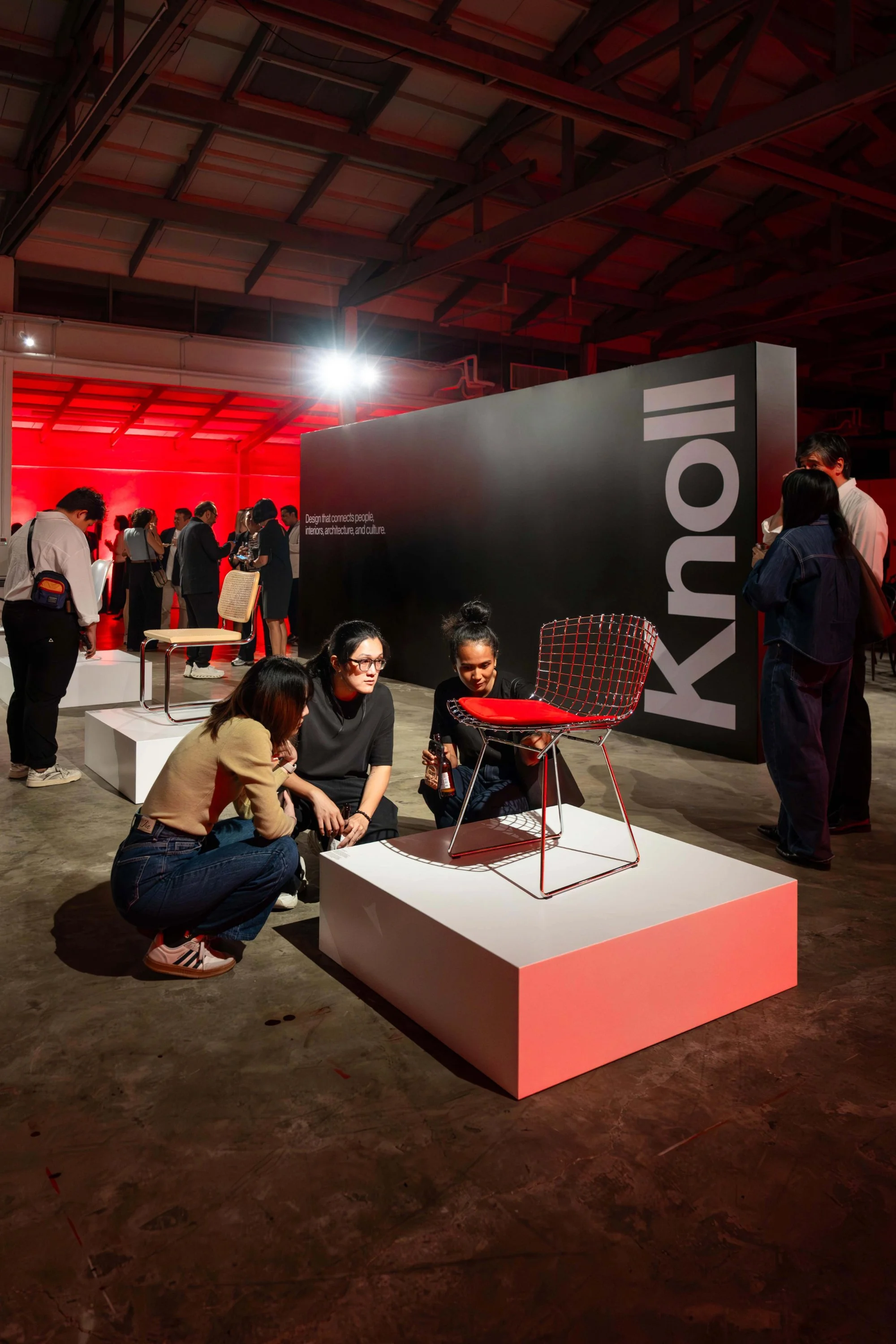
With this friction in mind, Knoll, in collaboration with Pergo, convened an intimate discussion in Bangkok this January, gathering Thailand’s architecture and design community to revisit a concept that predates open plans, co-working and the language of workplace consultancy. Florence Knoll called it Total Design.
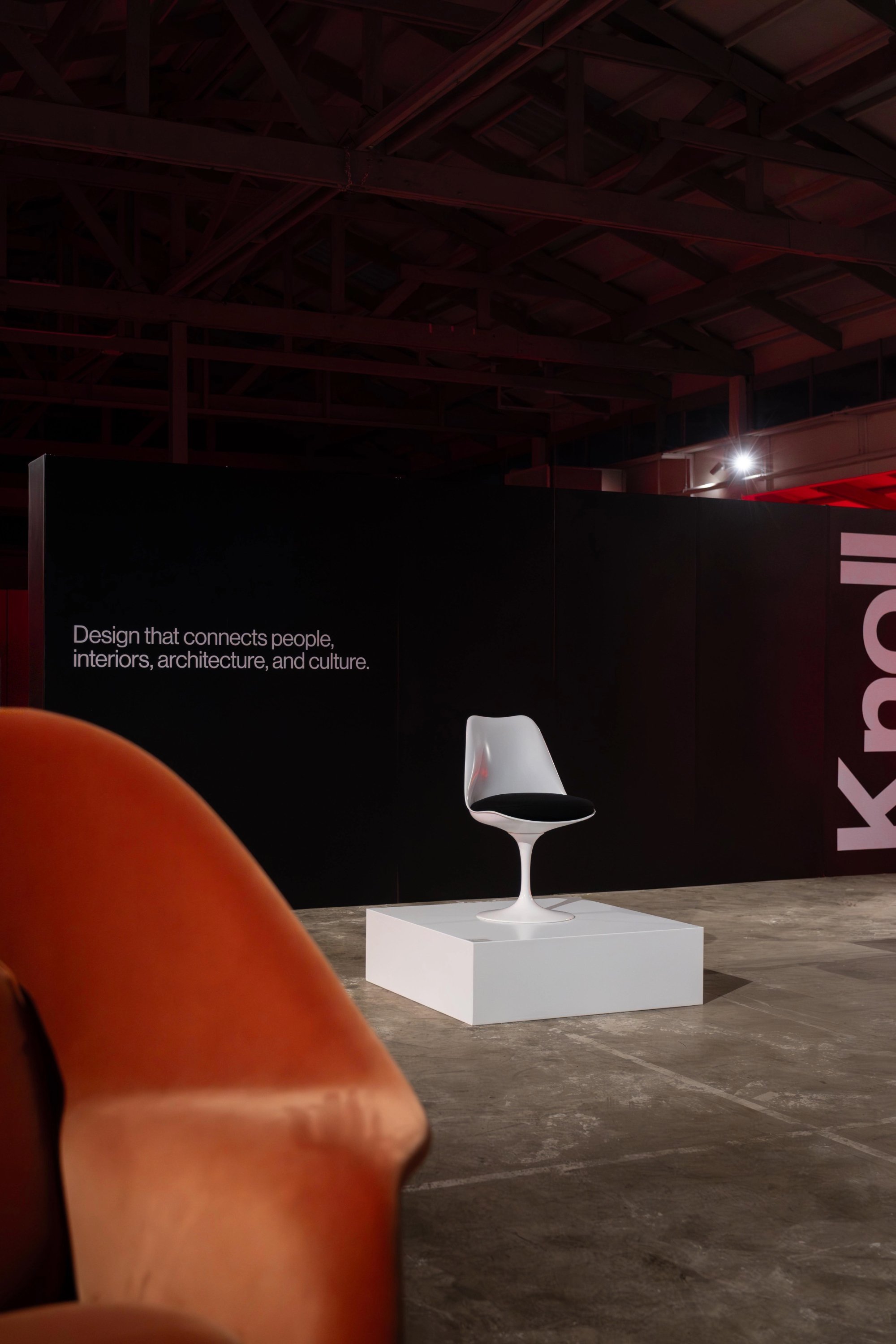
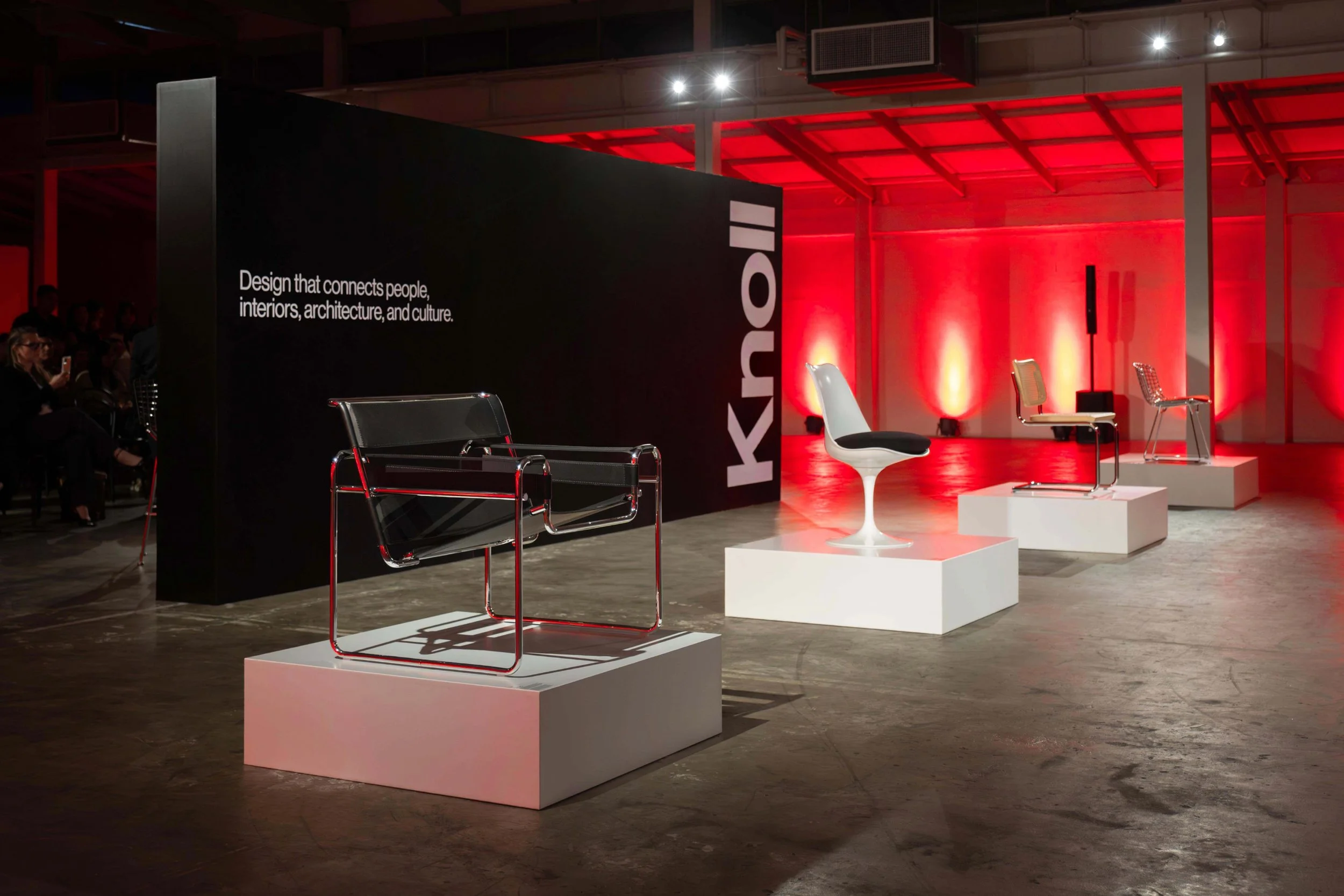
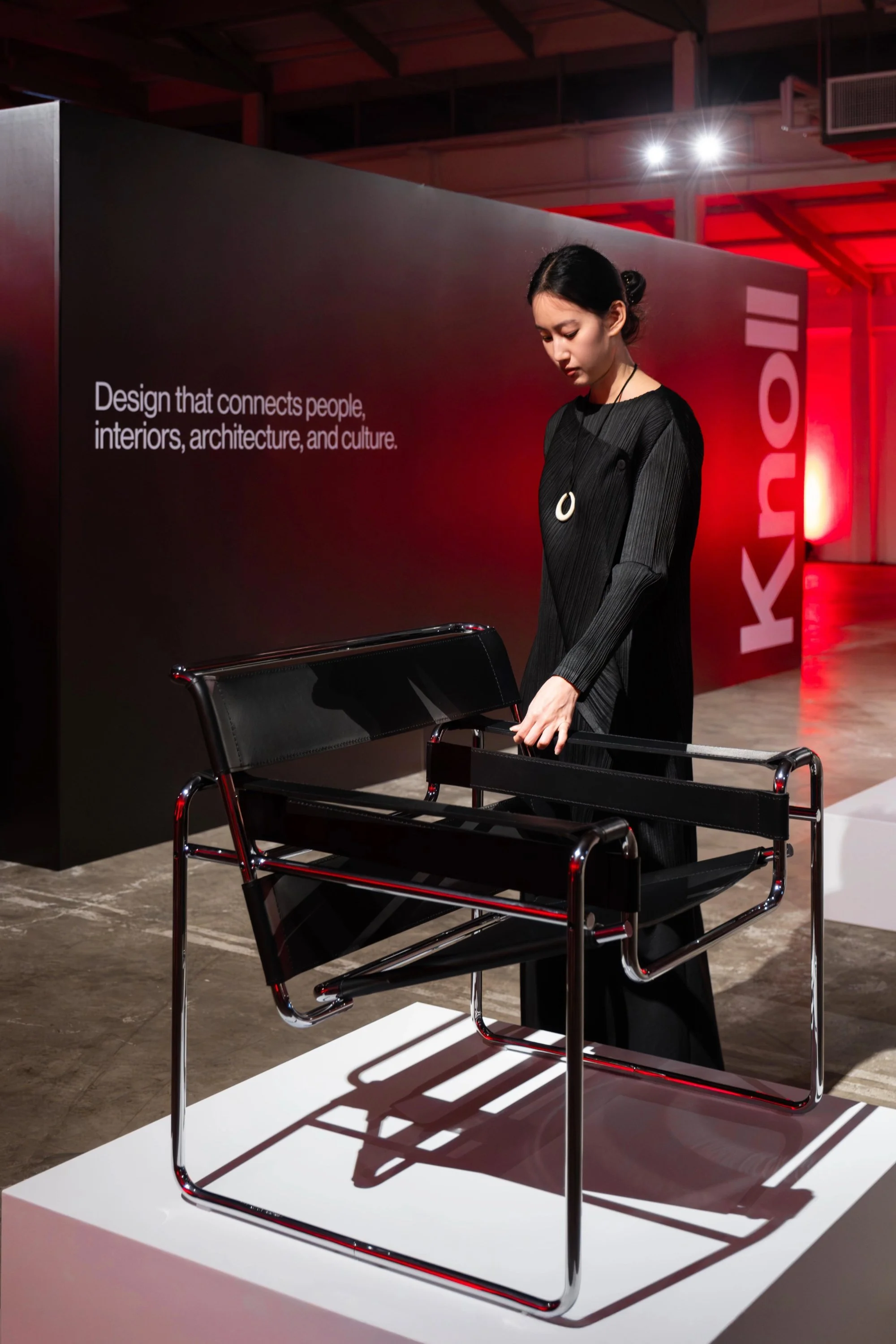
Her belief was simple but rigorous: furniture, architecture, textiles and planning must work together as a unified whole, or the space would fail. Founded in 1938 in New York by Hans Knoll, and later shaped by Florence’s architectural approach, Knoll became known for turning modernist principles into functional, thoughtfully designed interiors. The company’s in-house Planning Unit put this philosophy into practice, designing interiors as complete, harmonious ecosystems — a legacy that continues to inform how Knoll approaches design for the modern workplace today.
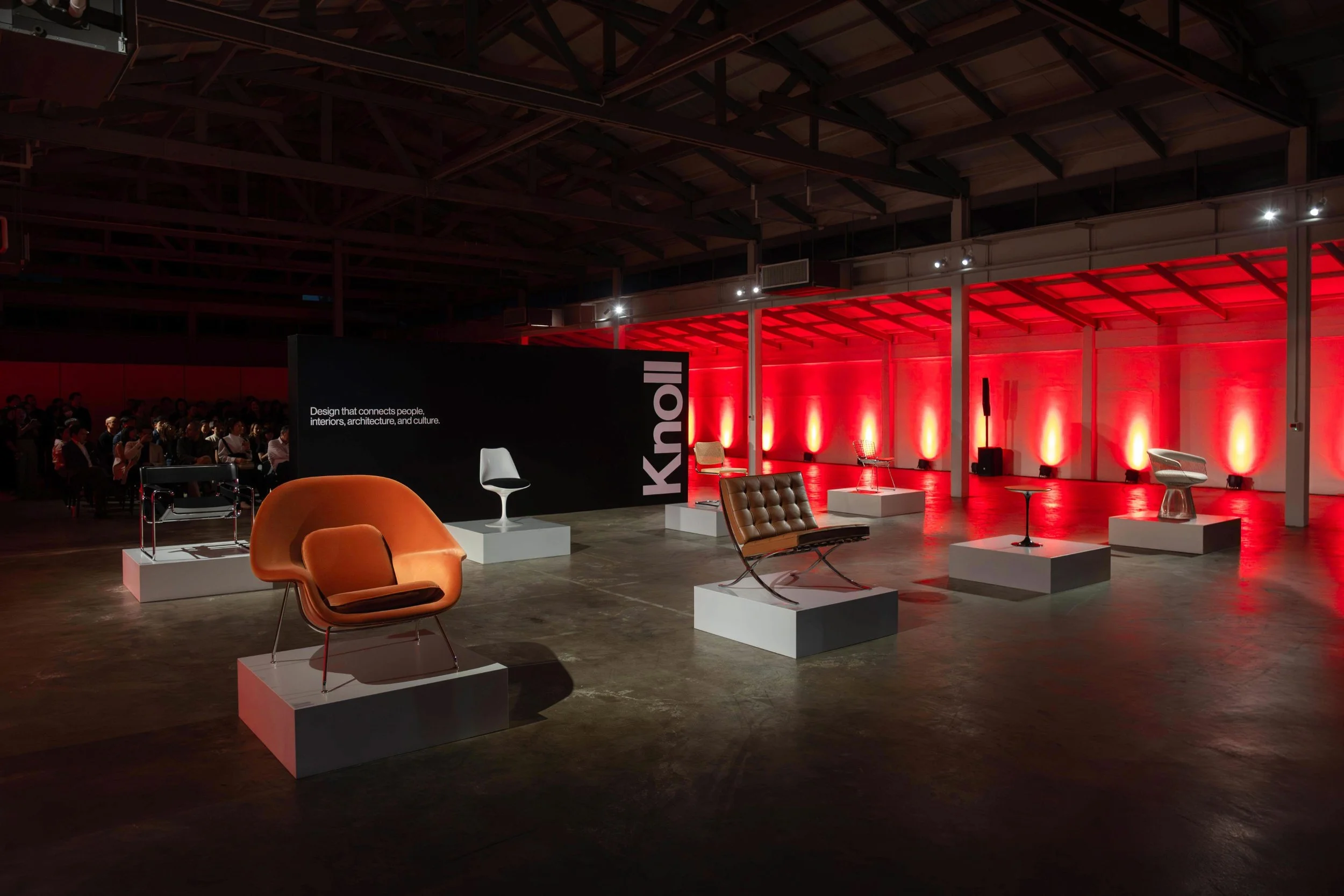
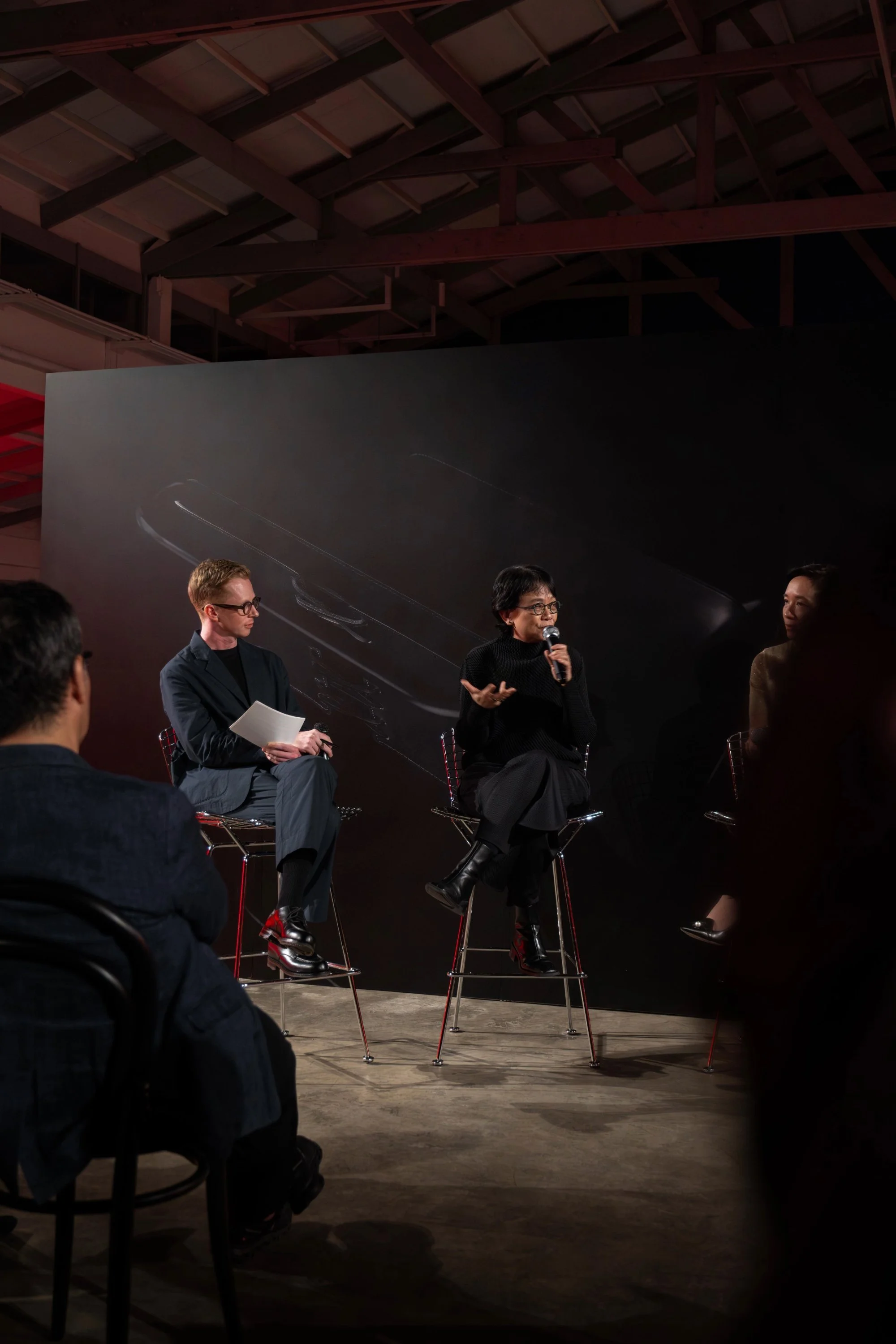
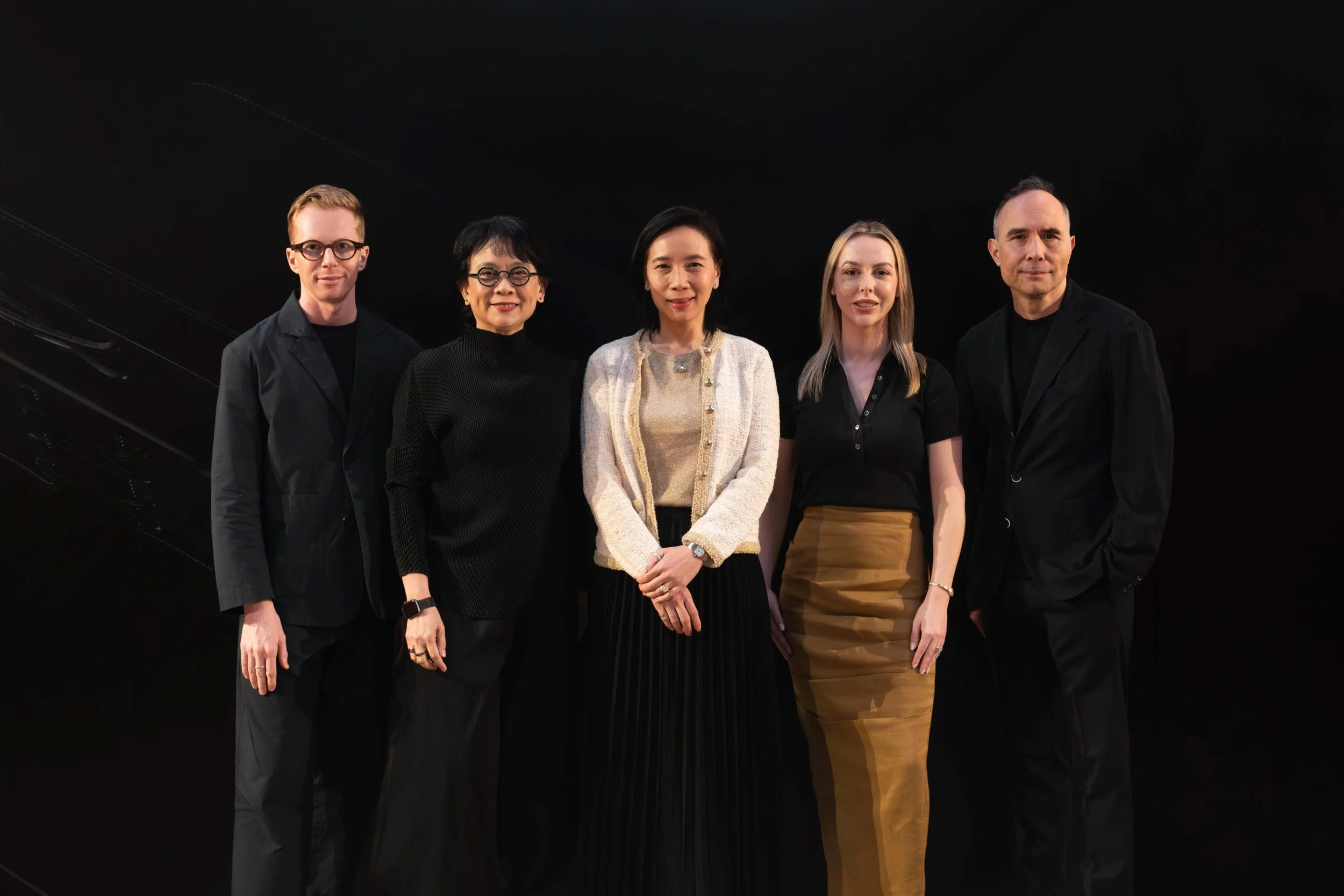
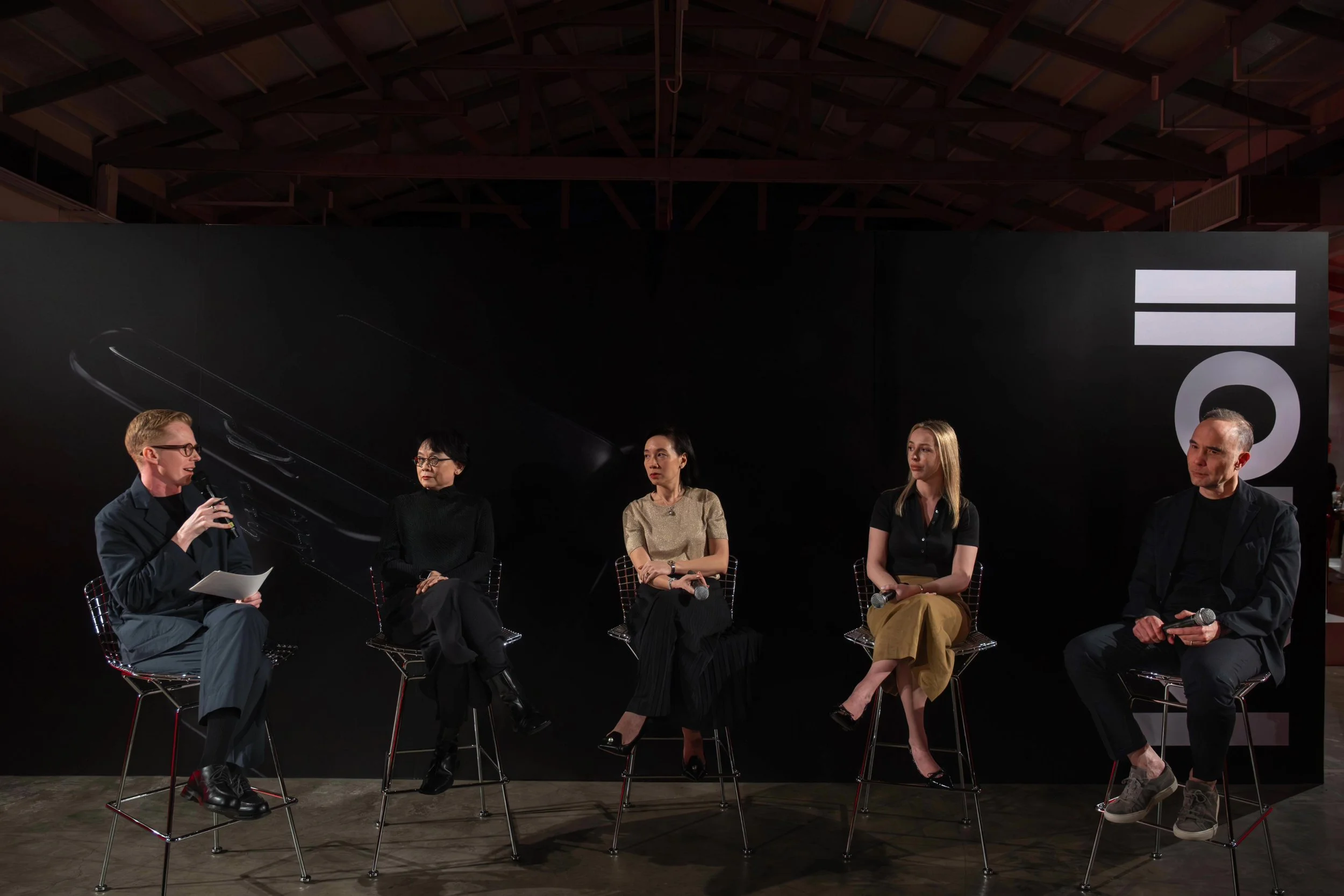
Moderated by Design Anthology’s editor-in-chief Jeremy Smart, the discussion moved fluidly between the uncertainties of today’s workplace landscape and the practical realities of contemporary design practice. Panellists Sarinrath Kamolratanapiboon of DWP, Theeranuj Karnasuta Wongwaisayawan of IA49, Chanintr Sirisant of Chanintr and Alexandra Ramundi of MillerKnoll reflected on how Florence Knoll’s philosophy of Total Design continues to resonate within the Thai context. Specifically, they discussed how to uphold these standards while navigating hybrid work models, evolving client expectations and increasing pressure for flexibility and long-term performance.
What, then, makes a workplace relevant when work itself is constantly evolving? The panel returned repeatedly to the primacy of human experience. Spaces, they argued, should anticipate behaviour, support collaboration and rely on materials and furniture that improve and age gracefully over time. Successful workplaces are rooted in human-centred designs that balance openness with intimacy, layering light, texture and colour to create environments that feel purposeful and supportive of creativity and productivity.
More than eight decades on, Florence Knoll’s influence remains deeply embedded in these principles, not just in the furniture that carries her name, but in the way designers think about and orchestrate space. Beyond a brand legacy, Total Design remains a powerful idea that continues to shape how people move, work and engage with a space to its fullest effect.