The Ancient Burial Mound That Anchors a New Kyoto Art Project
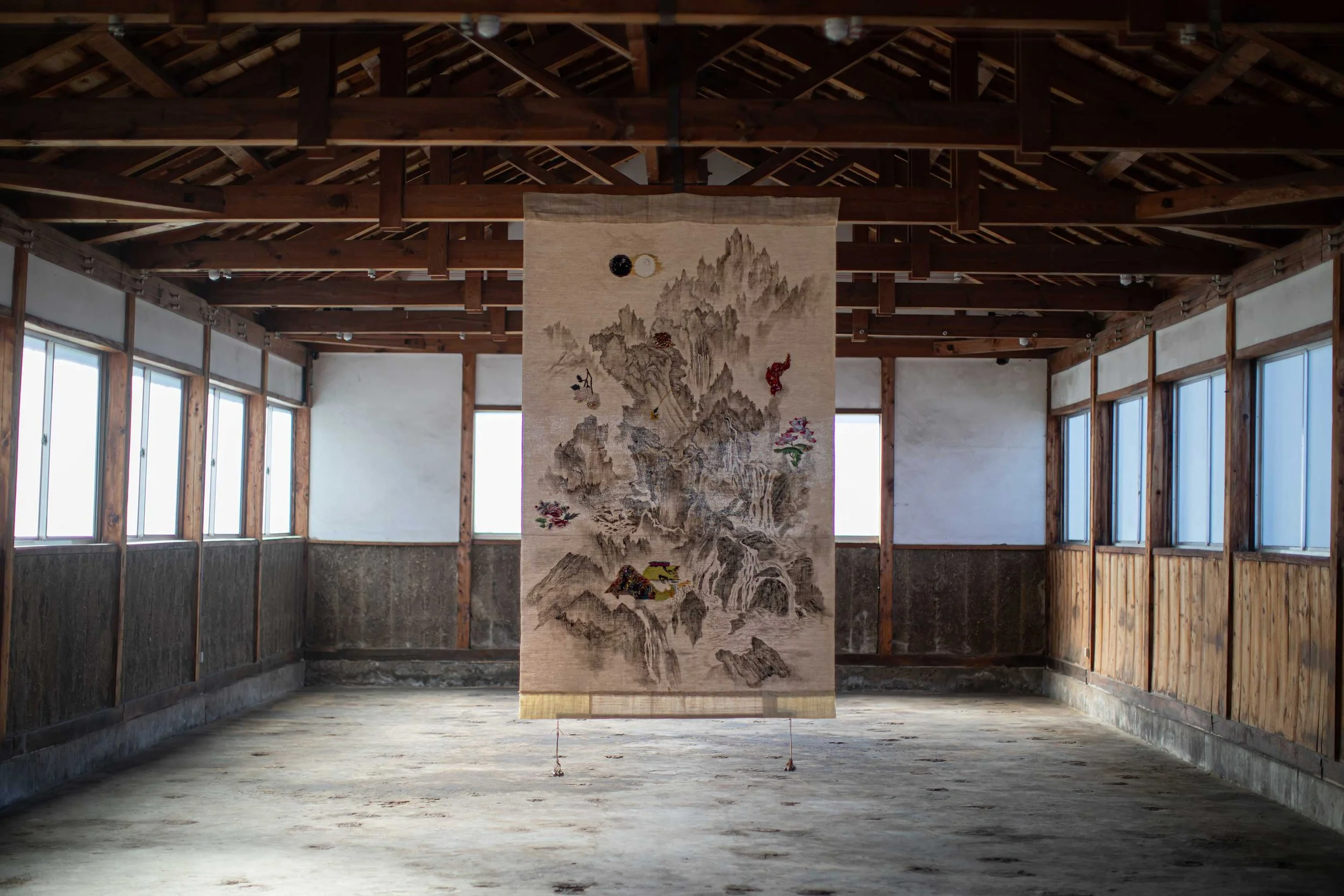
Nestled on Kyoto’s rugged northern coast, Tomorrow Field reimagines the relationship between humanity and landscape through a series of evocative, site-specific sculptures and collaborative architectural projects led by Kayo Tokuda
Between big skies, blue seas and the grassy hillside of an ancient burial mound, a structure quietly shifts into focus: a blackened shell-like shape — primitive, organic, coiled, its flowing wood form edged with stones.
This is Field of Stars, a sculptural meditation on landscape and history, time and place, material and memory. It is one of a growing series of artworks that make up Tomorrow Field, an innovative and timeless land-based regenerative art project. An initiative of the not-for-profit organisation Tomorrow, it aims to uncover the meaning of art in modern times, expressed through explorations of the timeless threads connecting humans, nature, community and daily living.
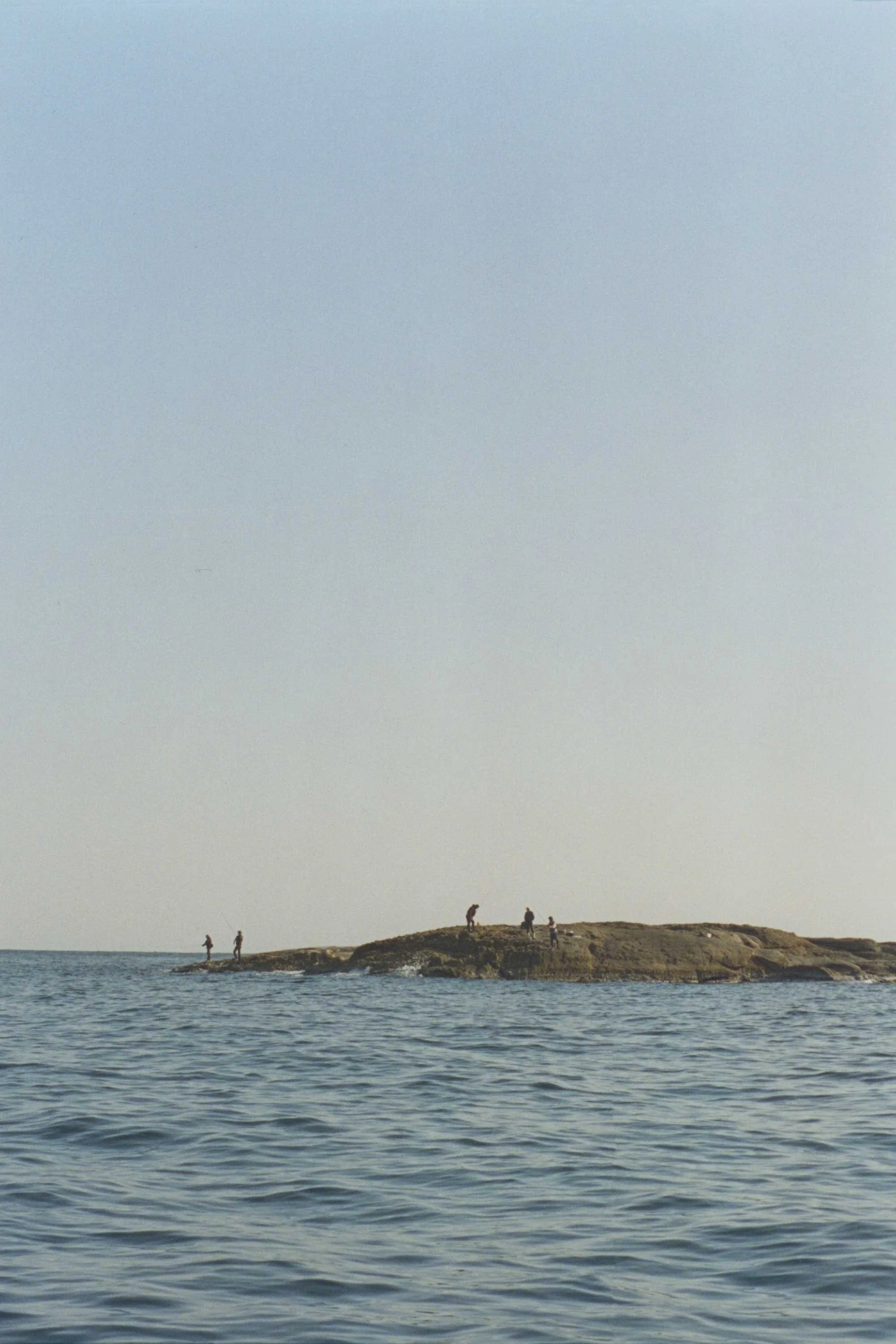
Tomorrow Field is scattered across the wild beauty of Tango, a remote peninsula steeped in nature and heritage on the rugged northern tip of Kyoto Prefecture. Helmed by respected curator Kayo Tokuda, the project is rooted in a growing ecosystem of intergenerational collaborators, including architect Ryue Nishizawa, artist Hiroshi Sugimoto, Kyoto paper artisan Koh Kado, contemporary artist Aawaa and many others.
Among the primary installations is Field of Stars itself, a shell-like wooden cocoon crafted from Japanese cypress and local stones. This collaboration between artist Teresita Fernández and wood artisan Shuji Nakagawa, alongside Tomorrow’s Shunya Hashizume and others, features an open patch of sky viewable from inside, inviting a connection with the atmosphere.
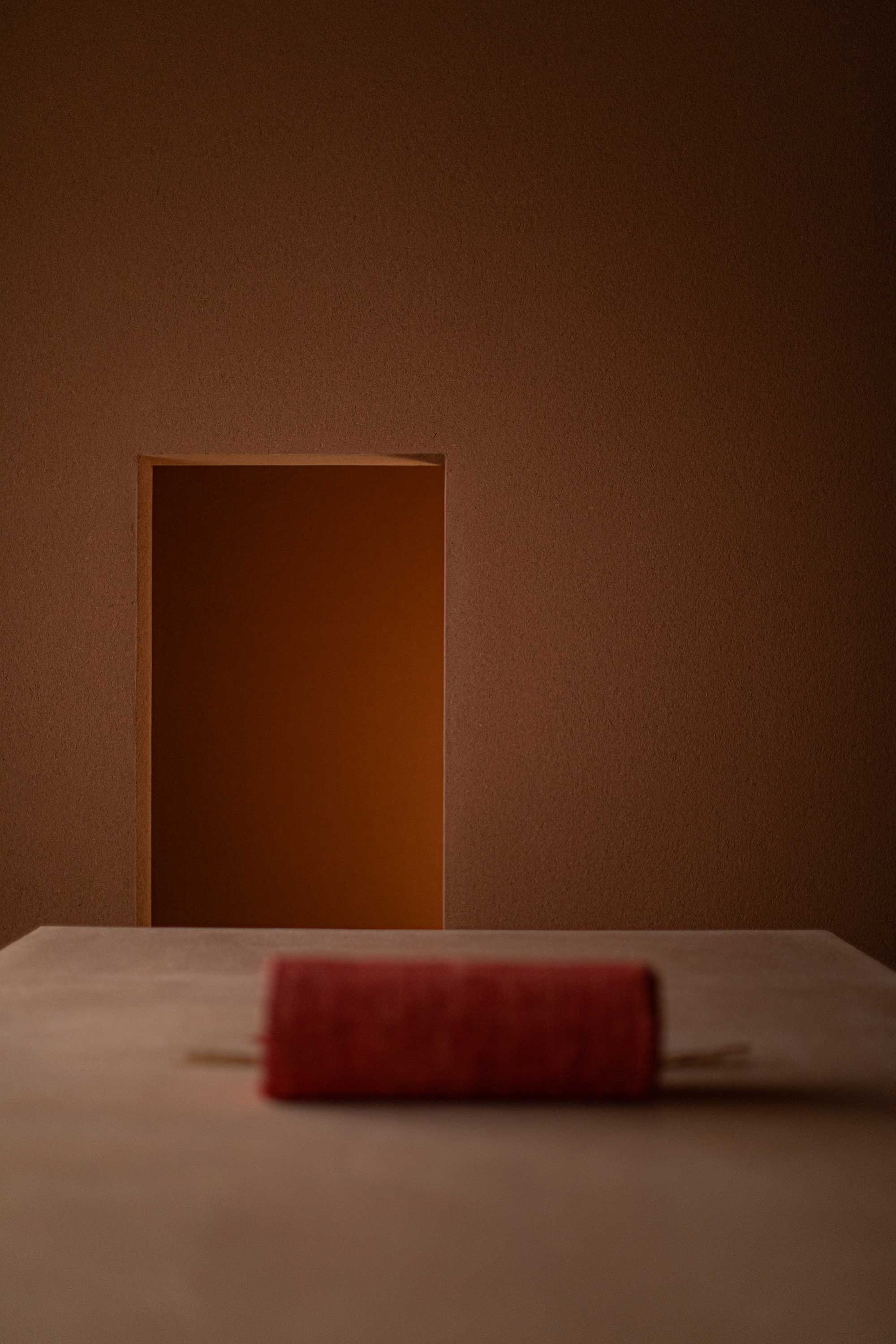
Nearby, the project continues with Miya Tea House, a circle of rammed earth walls created with ceramic artist Martin Rauch, plaster craftsman Nobutaka Nakasu and architect Anna Heringer that aims to connect food, art and nature. A short drive away, Taiza Residence provides a wooden home for artist residencies, featuring minimalist interiors crafted in light-shifting shades of vermillion, using local cinnabar-rich soil. The community-centric Taiza Studio, found within a century-old house wrapped in burnt cedar wood, serves as an experimental platform for workshops and exhibitions. Just around the corner is Sei Taiza, a light-flooded art gallery in a former factory once used for making Tango silk, known as chirimen.
Tomorrow is the culmination of a long creative journey for Tokuda. She previously spent close to a decade on Naoshima in the Seto Inland Sea, working on acclaimed regional projects such as Tadao Ando’s Chichu Art Museum and Teshima Art Museum. However, a desire to explore deeper connections between humans, nature, art and history prompted her move to Kyoto, where she established Tomorrow in 2016. Reflecting on her transition, she explains: ‘As a curator, I was prompted to reflect on human ego. I began to wonder: is happiness inherently self-centred? Clearing beautiful forests and wetlands to pour concrete became an opportunity to truly reconsider the relationship between humans and nature.’
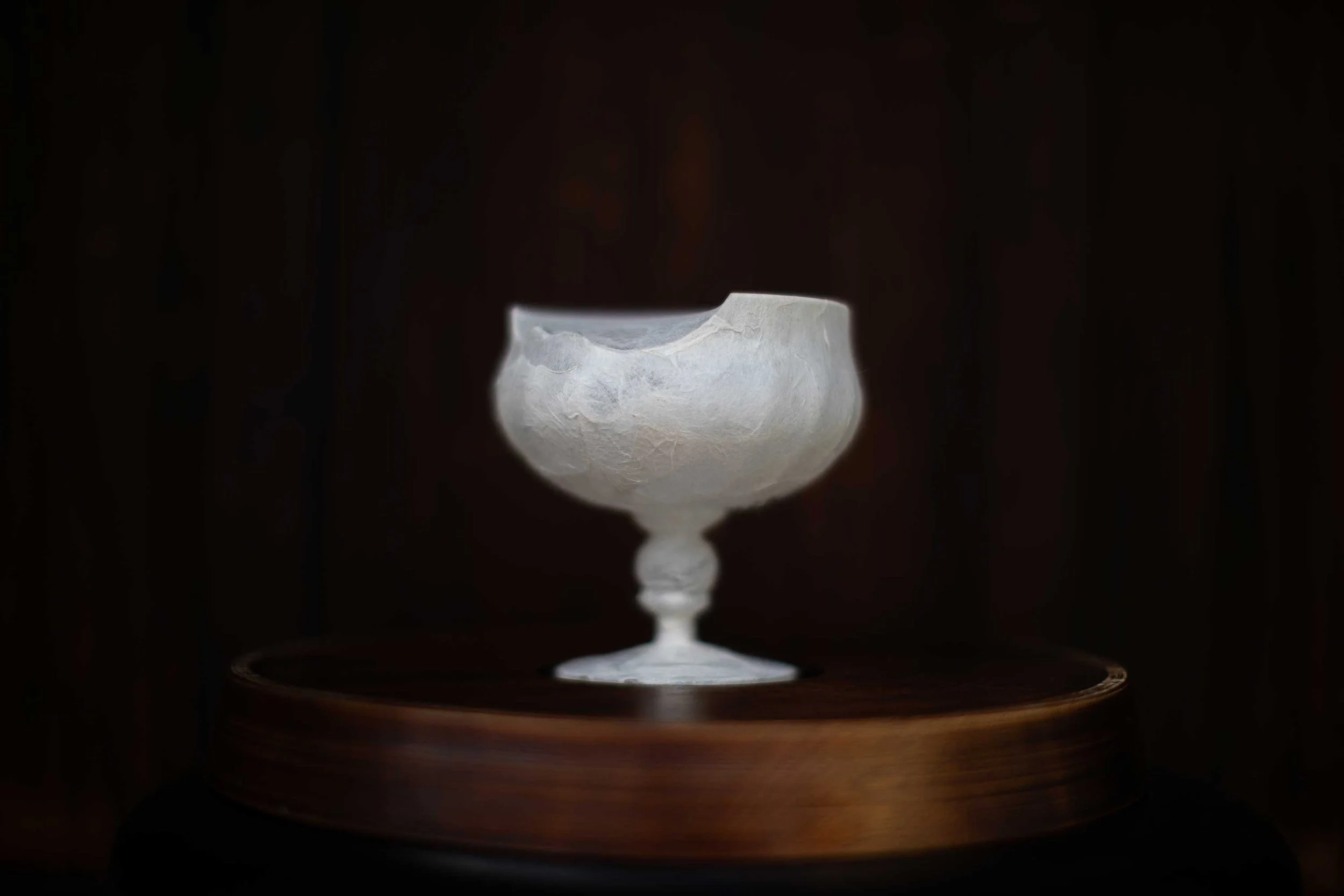
It was four years later, on a warm August day, that Tokuda stood on the grassy hillsides of Onaru Ancient Burial Mounds in Taiza, overlooking the Sea of Japan, and instantly realised she had found the place she had long been looking for. ‘I felt relieved,’ she says. ‘I felt like I could live.’
Tomorrow now operates from both Sei Kyoto — a light-flooded wooden machiya in Kyoto city — and Tango, where Tomorrow Field’s art projects come to life. ‘The landscape of Tango remains humble and intact: primeval forests, and rows of houses built with local materials,’ Tokuda says. ‘This authenticity is a profound part of its appeal.’
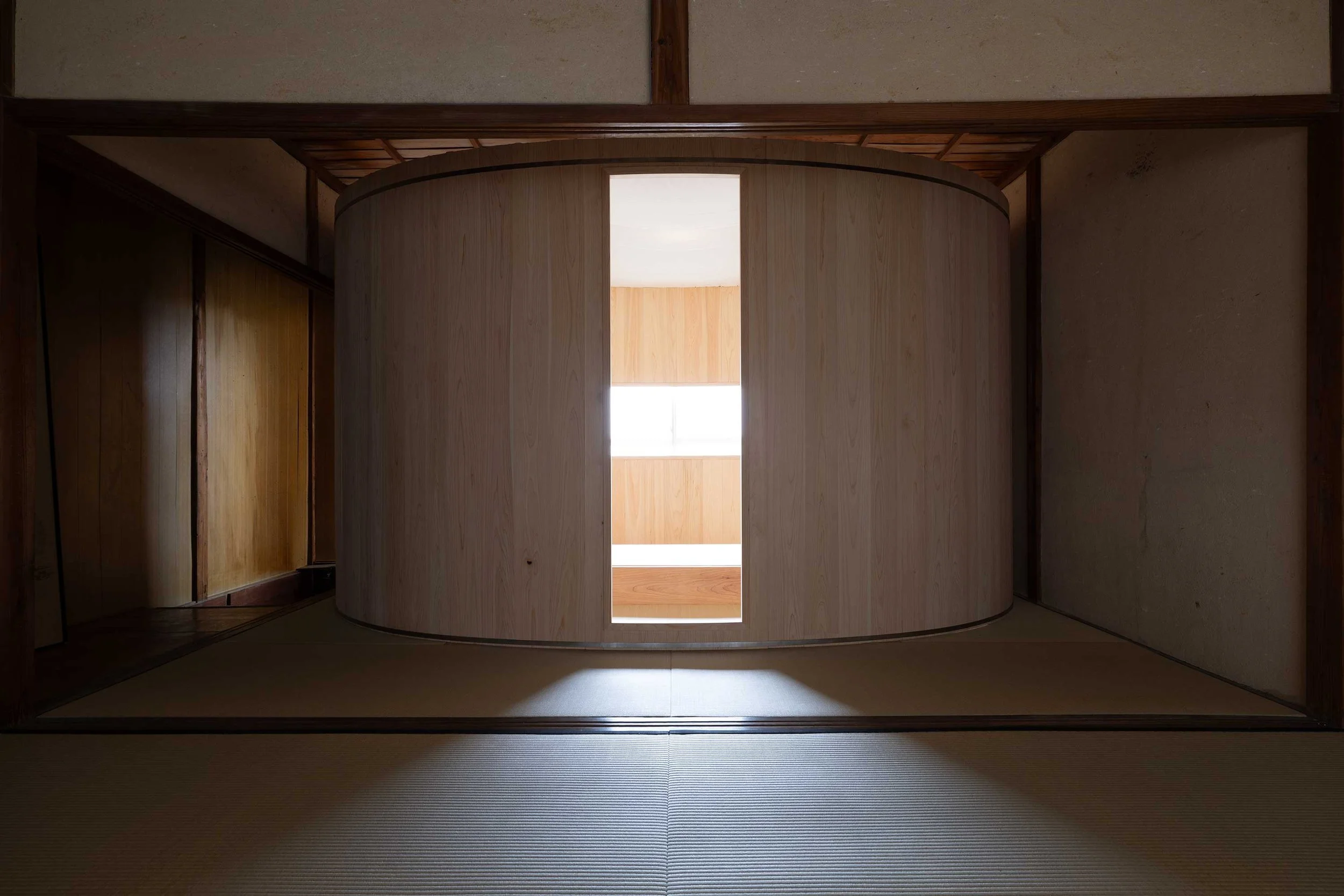
Resolutely unflashy, the project is rooted in community and shaped by a timeless search for meaning through creativity and beauty in daily life — be it through food, art, crafts or architecture. ‘Tomorrow is not something that can be taken for granted,’ Tokuda adds. ‘Perhaps it requires courage to take the first step, even while feeling fear.’
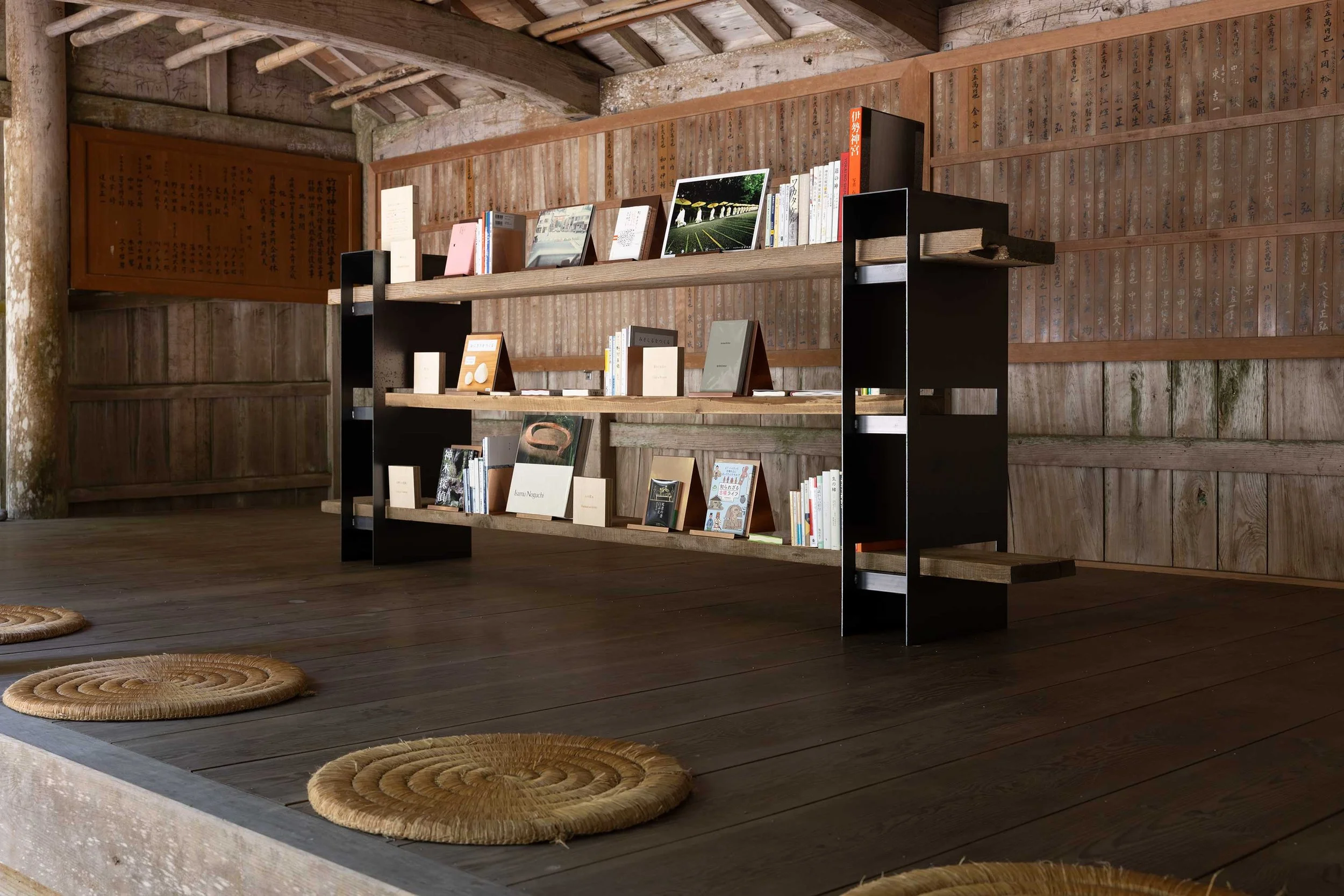
The project is slowly evolving. In addition to Miya Tea House opening in 2026, Tokuda adds: ‘We aim to create a laboratory where artists, artisans and chefs can collaborate, as well as a library lounge, within the next two years. Going forward, I envision Tomorrow Field as a place where artists, musicians, poets and other creators can stay and produce new work.’
Text by Danielle Demetriou
Image courtesy of Tomorrow Field