Why Bali’s Jia Curated Works — and What It Means for the Region

With the calibre of craft to represent the region and enough personality to claim a place on Asia’s design circuit, Bali’s Jia Curated is getting plenty right. The test may well be preserving its formula
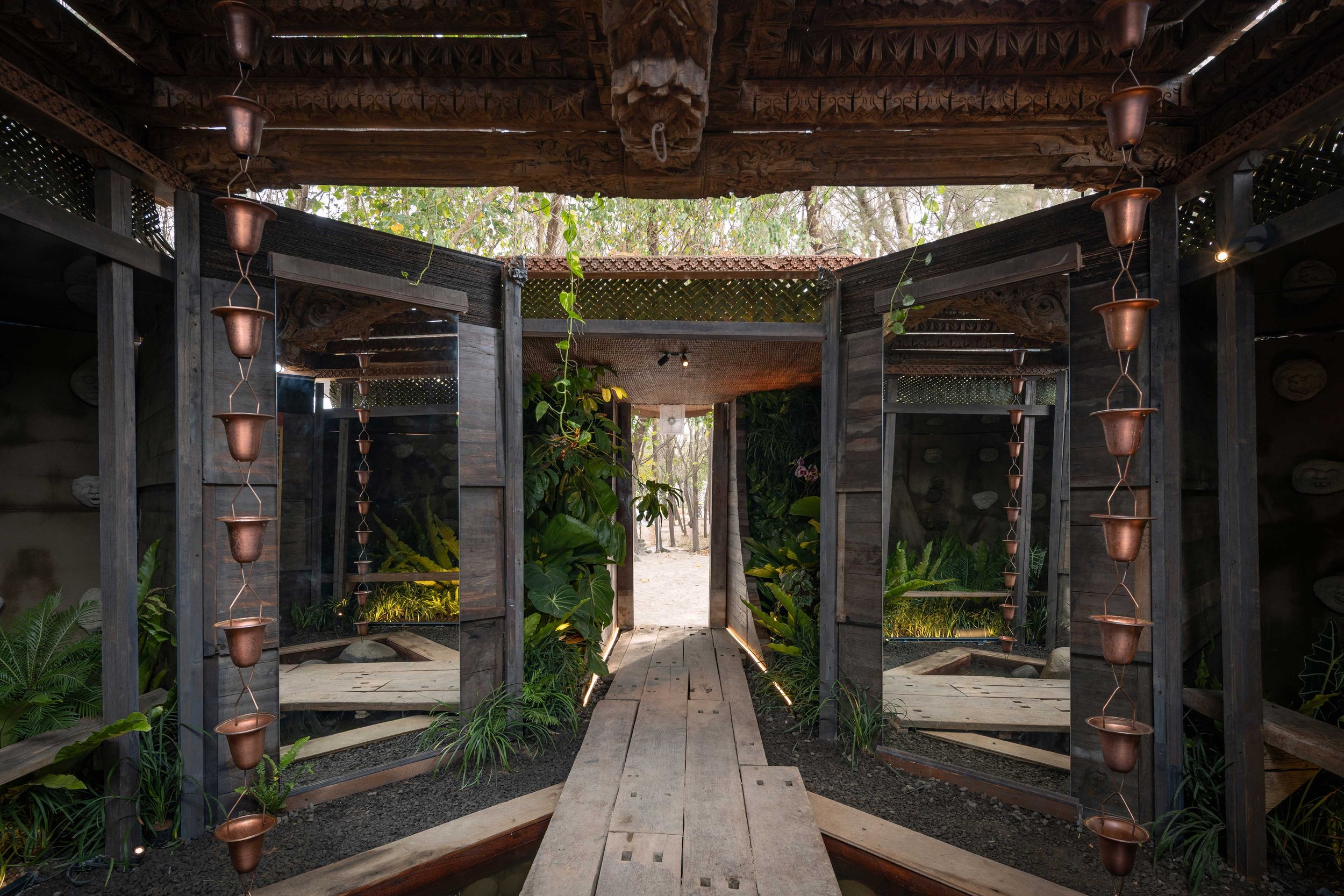
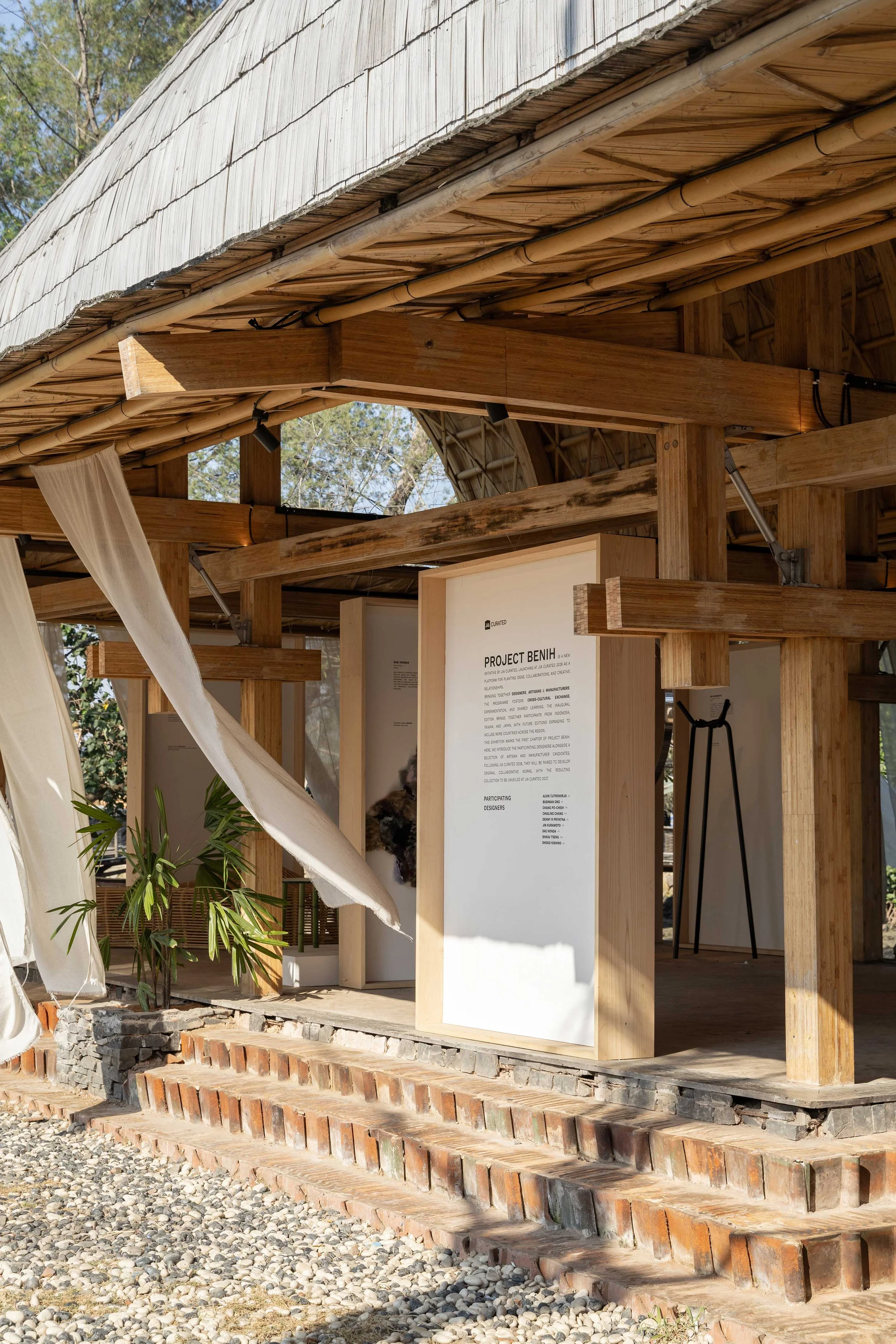
Much has been made of Copenhagen’s 3 Days of Design and its recasting of the European design fair as a more personal, approachable affair. Now, Asia may be creating a regional counterpart. This August, the fifth edition of Jia Curated welcomed more than 18,000 visitors over five days in Bali. It featured some 250 exhibitors, a spotlight on the Philippines, strong links to Japan and Taiwan, and an even broader reach through its panellists and collaborators. Where other Asian design weeks carry the static, transactional air of trade shows, Jia Curated has a distinct identity. It owes it as much to the setting, a sprawling beachfront framed by sea views and casuarina groves, as it does to the gregarious spirit that sets the event apart.
Founder Budiman Ong, who launched the event with Rudi Winata and Yang Yang Hartono in 2022, resists calling it a festival, let alone a fair. He prefers ‘a creative living ecosystem’. To him, Jia Curated draws its dynamism from an eclectic mix of design disciplines, bound together by something distinctly Indonesian: gotong royong, a tradition of collective effort that places communal connection ahead of commerce. ‘We took this to heart and put it into our event. Within a single booth, you might see architects, product designers and perhaps a stone company working together to create an experience,’ says Ong.

The founders and their team have built Jia Curated with craft and culture as its primary pillars, an emphasis that resonates with an international audience. As Sydney-based design editor and founder of Yellowtrace Dana Tomić Hughes notes, ‘Most of the materials and finishes I saw were things like ceramic tiles, textiles, weaving and other tactile traditions that Indonesia is known for. A lot of it would work really well on global design projects that are seeking a point of difference in artisanal quality.’ Hughes is a seasoned observer of the global design scene, but 2026 marked her Jia Curated debut, an experience that proved both refreshing and disarming. ‘Jia doesn’t feel underpinned by this kind of extreme capitalist approach,’ she says. ‘Nobody tried to sell me anything or push a press kit onto me. At first, it was kind of shocking, but it was also incredibly liberating.’
Hong Kong-based communications strategist Cathy Feliciano-Chon is similarly taken by the event. ‘Although it’s already in its fifth year, it’s impressive that Jia has managed to retain a lovely homegrown quality that feels authentic and hopeful,’ she says. Feliciano-Chon speaks from experience, having represented, programmed and curated some of Asia’s most prominent design events with her PR firm CatchOn, now part of global network Finn Partners. ‘When funded by governments, events like Business of Design Week and Singapore Design Week are exercises in placemaking and thought leadership,’ she points out. ‘Others are designed primarily to serve the commercial expectations of exhibitors.’


Jia, Feliciano-Chon argues, operates differently. ‘The organisers have a level of independence that allows them to shape the programme around a mission that isn’t entirely driven by return on investment.’ Like Hughes, she sees its international appeal in its potential to champion not only Indonesian craft but Southeast Asia's making traditions more broadly, something that matters all the more in an age of ubiquitous technology and ascendant AI. ‘We’ve been hearing the clarion call to make less, but make it more meaningful. Luxury today is craft. It’s having a piece that you know is of limited quantity, that’s rooted in tradition and has a story to tell,’ she says. ‘And this part of the world has been underrepresented in the global design scene. There are so many layers to this story waiting to be told.’
Rather than replicating established models, Jia Curated is carving out a distinctive ground on Asia’s design calendar, serving as a convivial bridge between Southeast Asia’s rich craft traditions, the rest of the continent and the wider world. Bali is fundamental to its identity, though the island also presents infrastructural challenges, from limited flight connections to unforgiving traffic. The event's nomadic format adds another layer of logistical and even safety considerations. Yet its greatest test, Feliciano-Chon points out, presents something of a paradox: as Jia Curated grows in popularity, can it preserve its inclusive character without compromising quality or losing the intimacy that makes it so special?
Text by Tomás Pinheiro
Image by Priska Joanne, Indra Wiras and Cristoper Octav