Copenhagen Built the World’s Most Democratic Design Week. Can It Stay That Way?
Copenhagen has built one of the world’s most compelling design weeks by keeping things open, accessible and human. As global attention grows, Design Anthology’s editor-in-chief Jeremy Smart asks how it can avoid becoming another Milan
Late one evening two weeks ago, I returned to my hotel room in Copenhagen and flicked on the TV. On the Danish public broadcaster, a panel of nine people stood before an audience gathered on a beach in broad daylight, delivering powerful speeches to vigorous applause. My hotel TV, unfortunately, provided no subtitles. But as it turned out, rather than some bureaucratic edition of Survivor, I’d inadvertently tuned into a live broadcast of Folkemødet, Denmark’s annual democracy festival.
Design Anthology’s heart sits in a part of the world that spans the democratic spectrum. Some of the places our readers call home are built on pragmatism, resilience and resourcefulness; societies that make things work despite governance systems that so often fail them. A little time in Denmark, then, is always a good thing. The nation approaches democracy, and all the features — and flaws — that come with it, with unequivocal seriousness. It’s a country where, for more than a century, no single political party has held a majority. It of course faces challenges too, not least of which are economic, but it’s functional and prosperous, and importantly, free and open. What does this have to do with design, you may ask? Well, everything.
When we talk about democratic design, we’re often talking about making things cheaper. Putting more stuff into the hands of more people; an often misguided idea that’s trained consumers to believe that the real cost of the furniture, clothing and objects we live with — and the vast amounts of labour and materials used to produce them — are of minimal financial value, to be discarded into landfill at the end of their lives. Someone is paying the price, even if it’s not you, so we need to reframe democratic design as something that’s intellectually, physically and socially accessible.
Copenhagen’s de facto design week, which has now come and gone for another year, offered a timely reminder of what these values really mean and why they should be defended even if, and perhaps especially if, you’re the beneficiary of that system. Copenhagen also showed that it’s an ideal host for a design week, offering one of the most enjoyable design events on the calendar — despite blustery conditions and intermittent rain. Increasingly, it’s proving one of the most important too.
‘We don’t have a tradition of favouring wealth and exclusivity in the same manner as you see in other parts of the world. That helps if you compare 3 Days of Design to Milan Design Week,’ explains Katrine Goldstein, the Copenhagen-based managing director and partner of Norm Architects. ‘It would be a good idea to stretch the week to allow for students to have time to join,’ she adds. ‘Not only architecture and design students — who I hope will already be attending — but also schoolchildren. If you’re open on the weekends, it could also allow the public to join.’
As many predicted, corporate juggernauts have begun to show up — the likes of Audi and Anthropic found their way on to the roster this year — and the city must start asking serious questions about the event’s future. ‘Exhibitors need to ask themselves if what they’re showing is relevant and meaningful and not only commercial. Am I just here to show the latest chair?’ Goldstein says. ‘Could the organisers of 3 Days of Design start to mandate that an exhibition has to have a dialogue between craft and materials or that it has to have a sustainable point of view?’
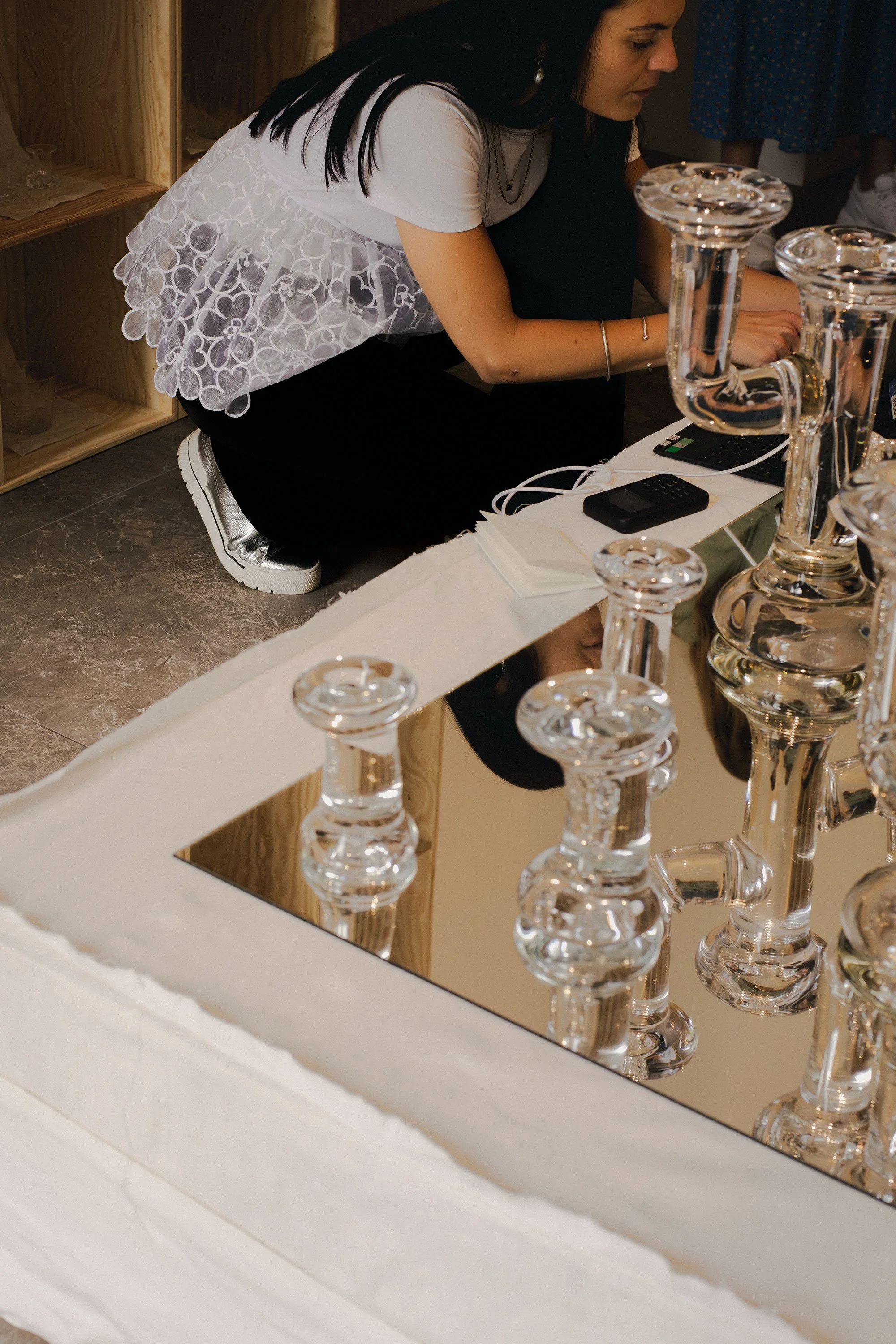
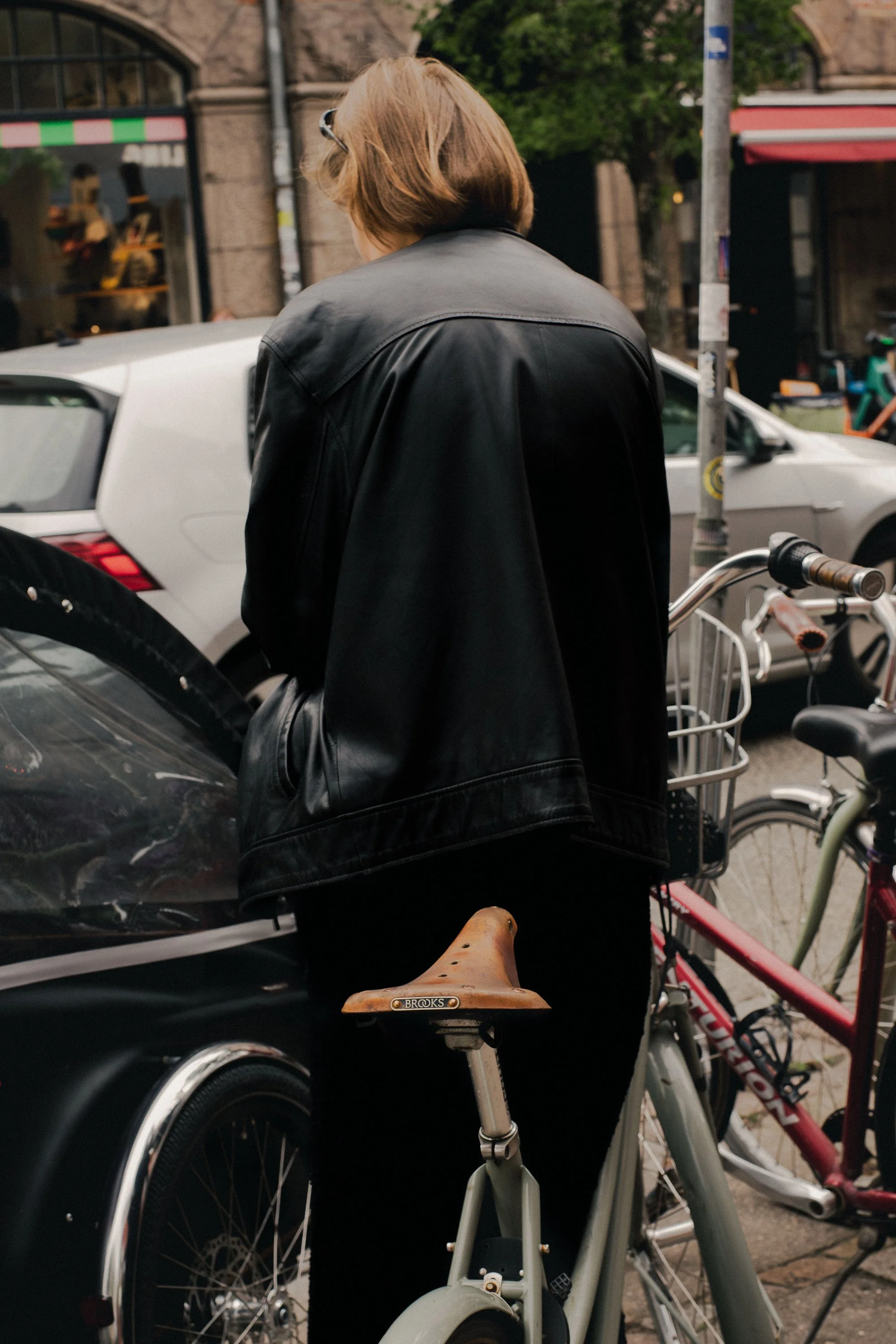
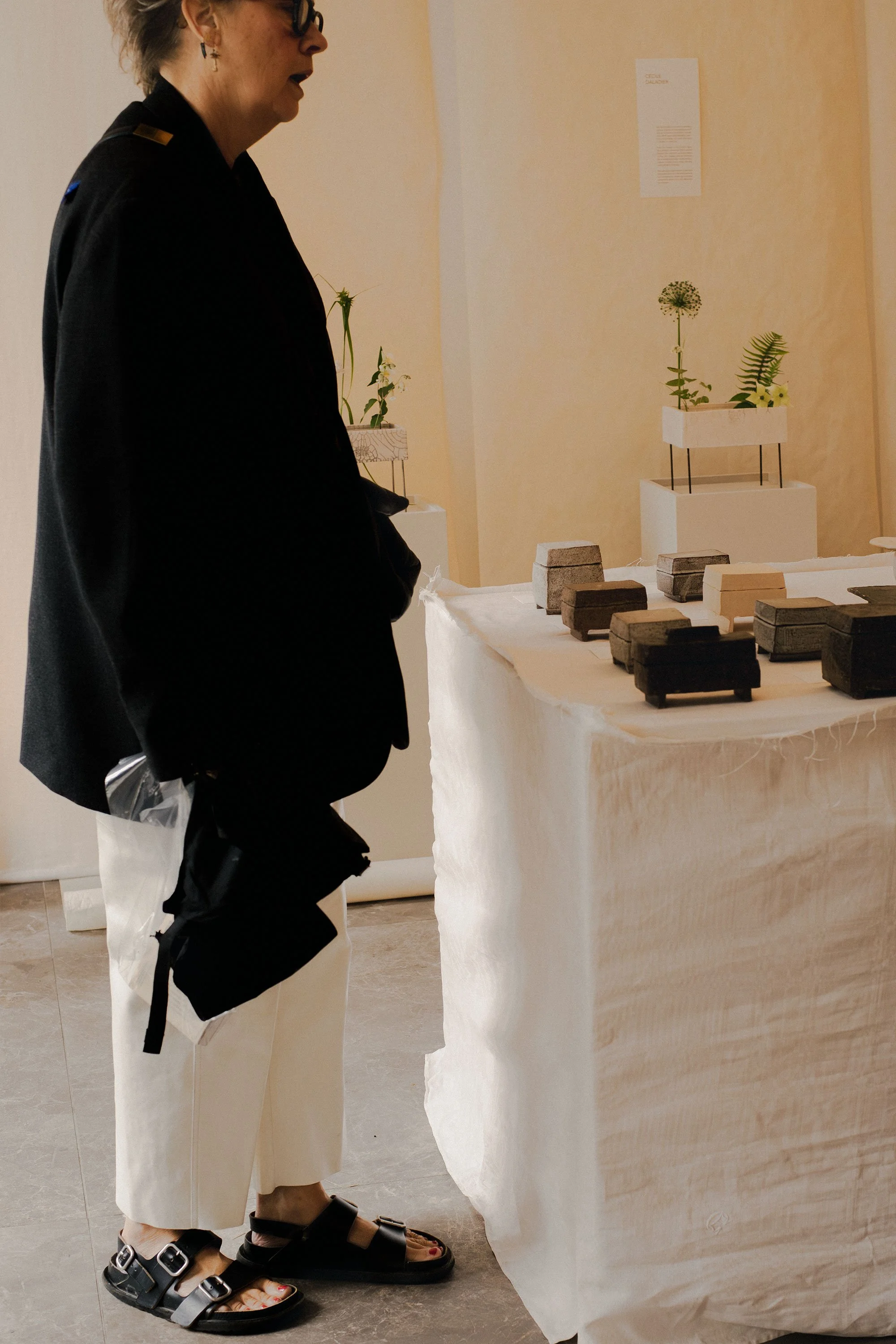
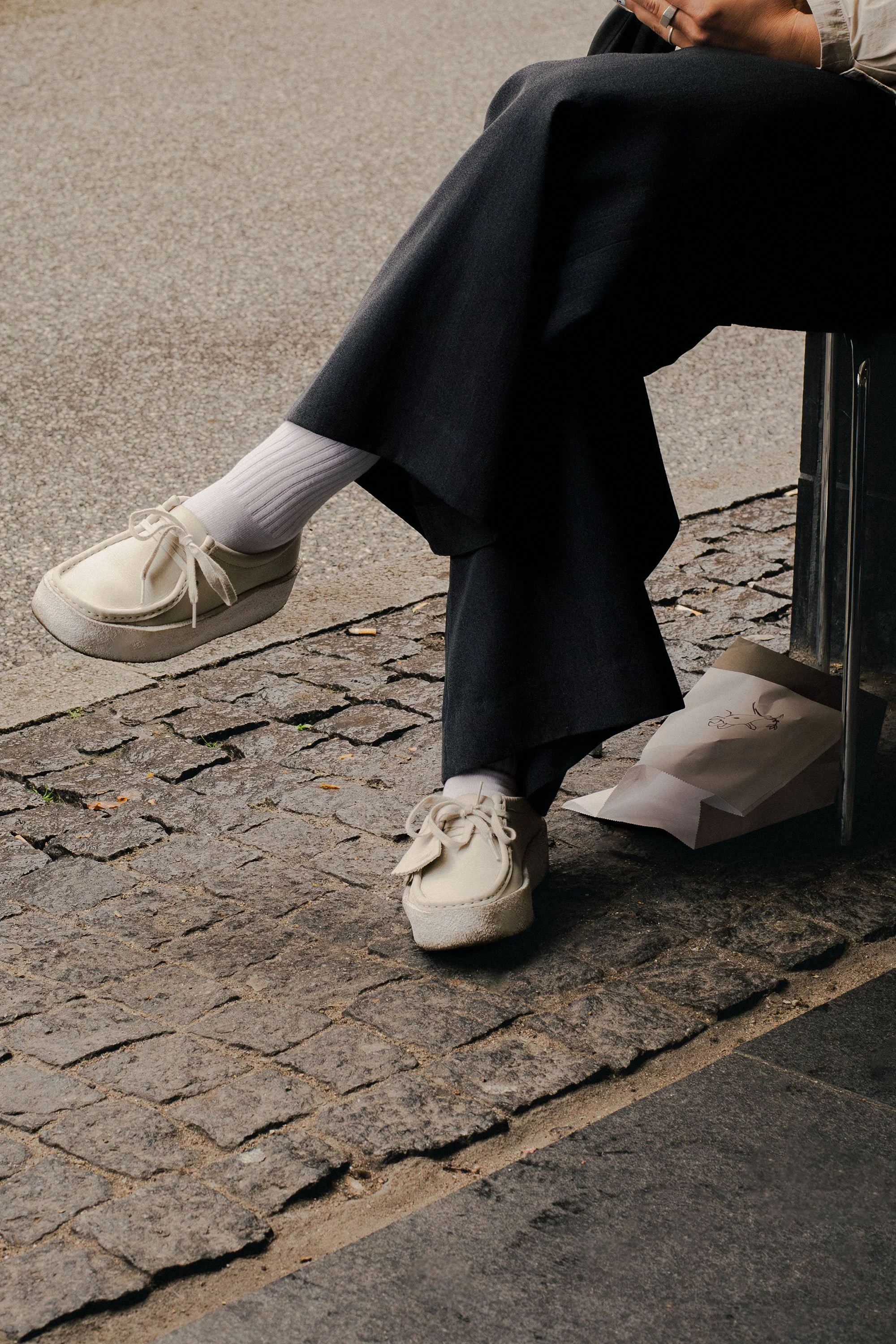
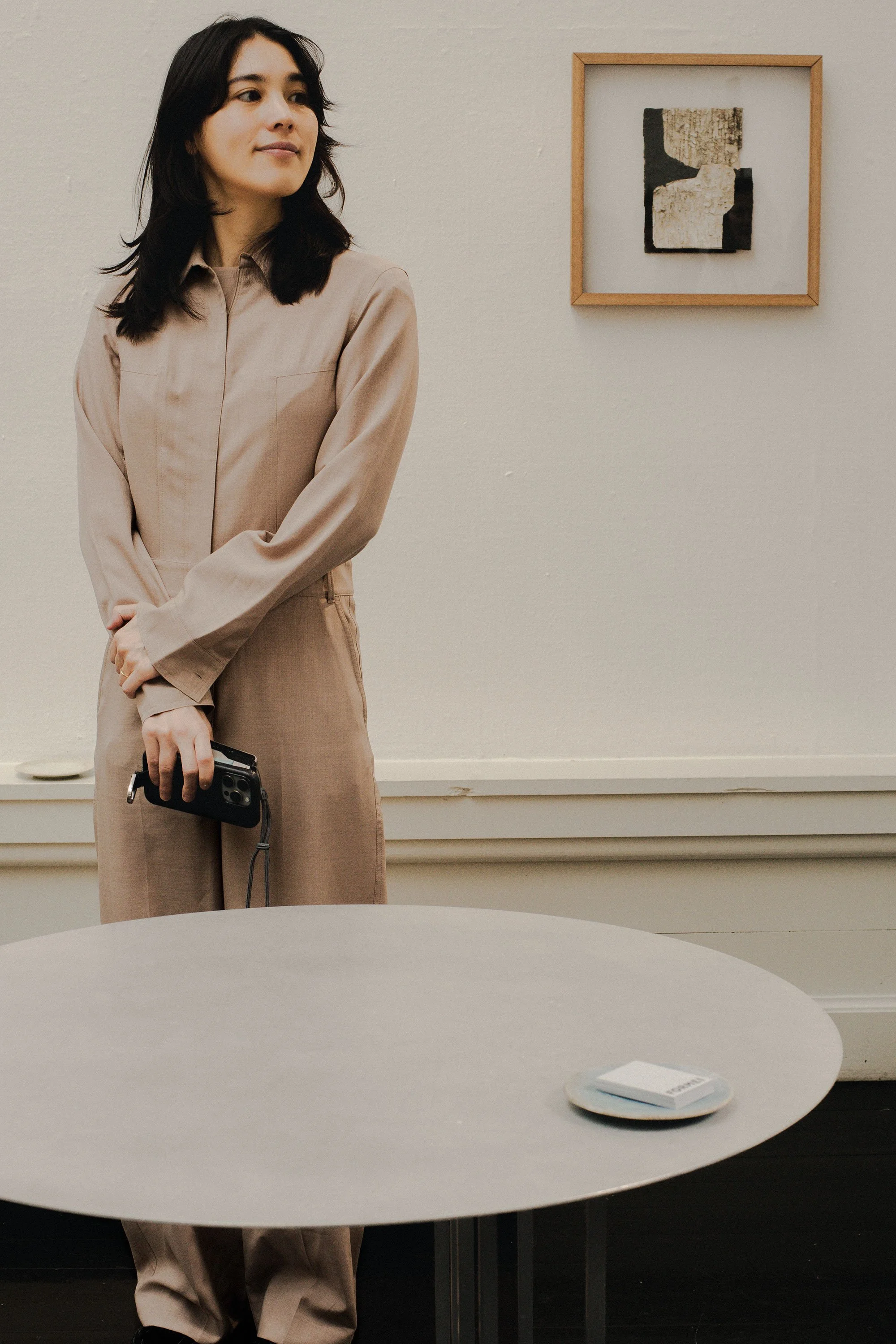
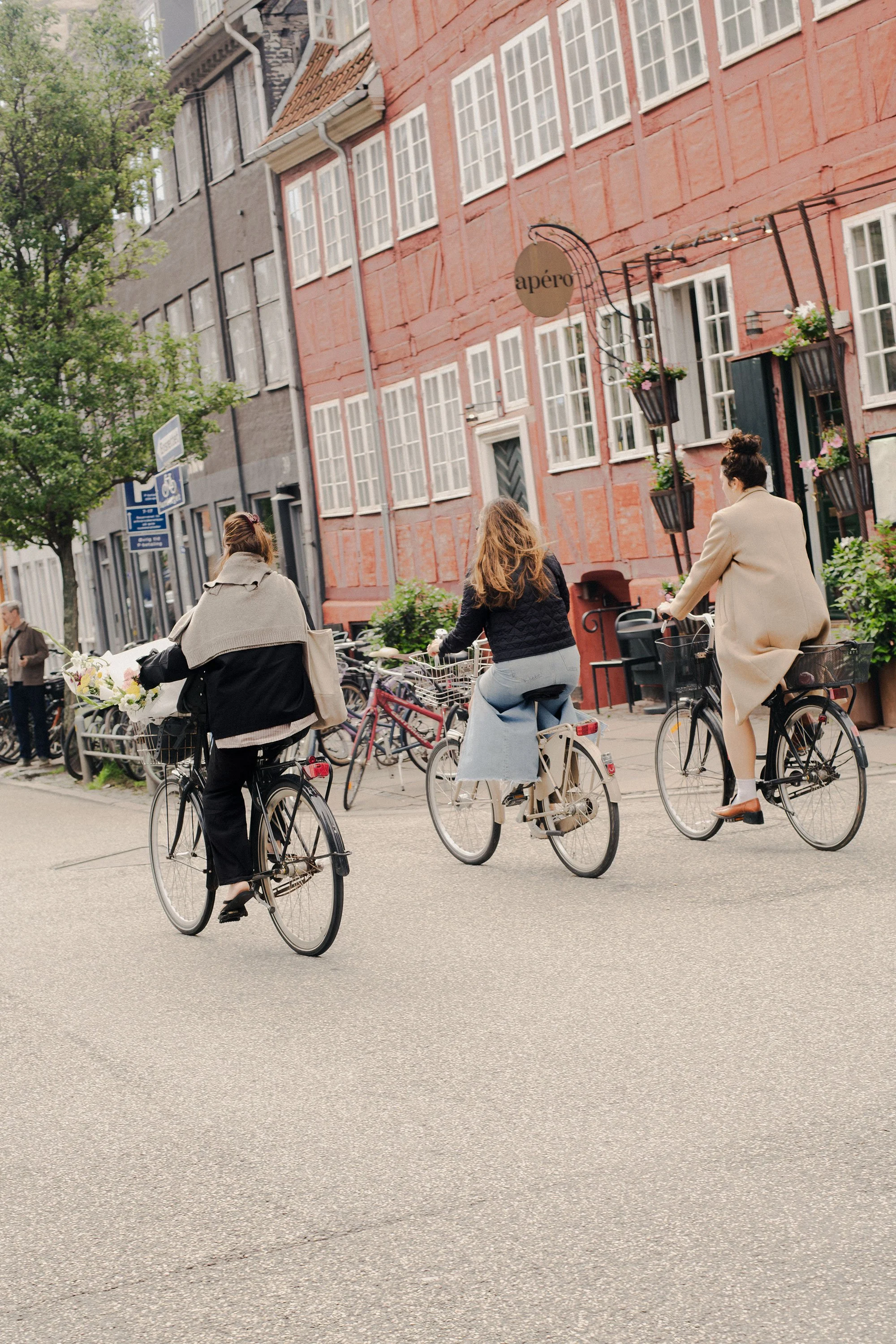
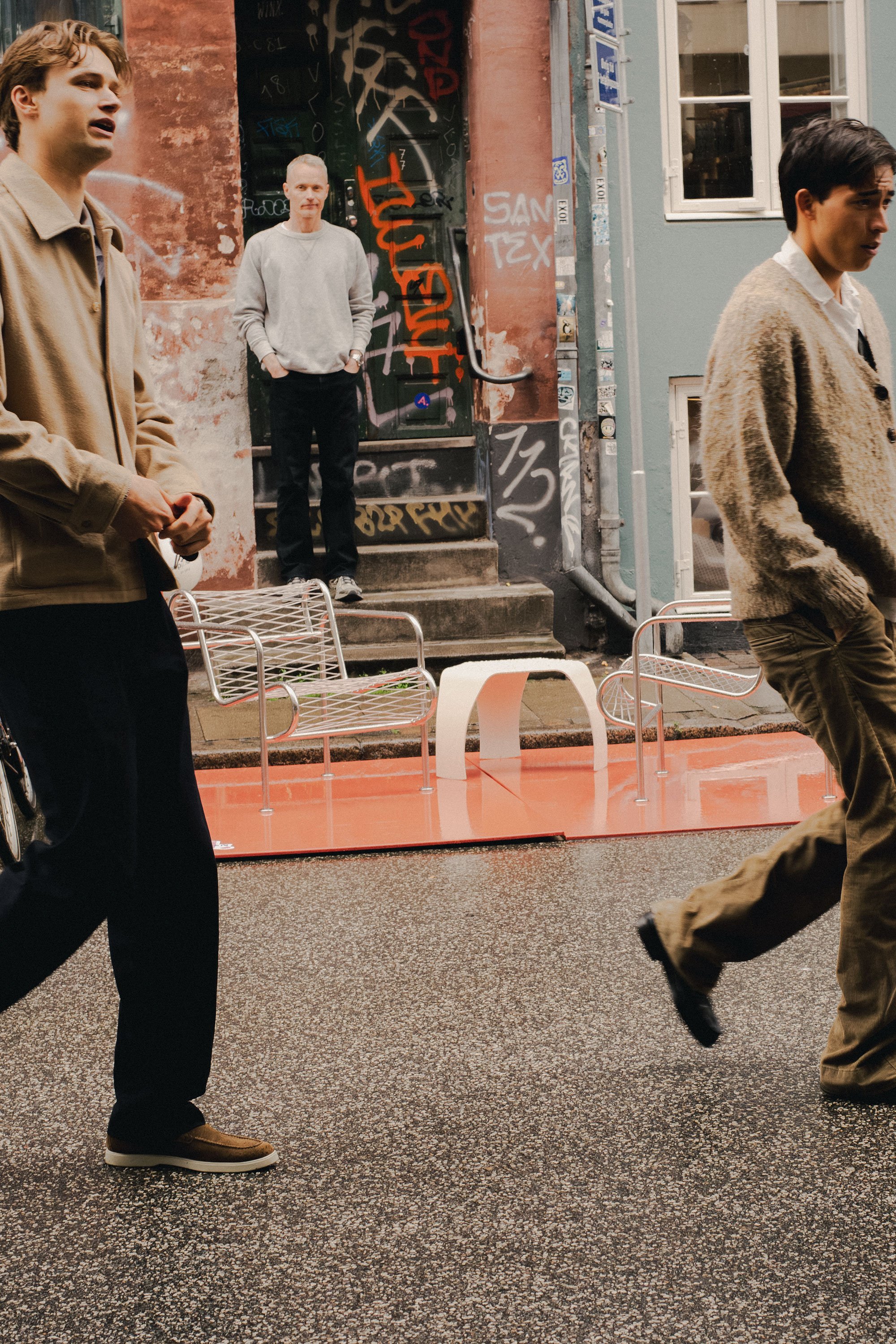
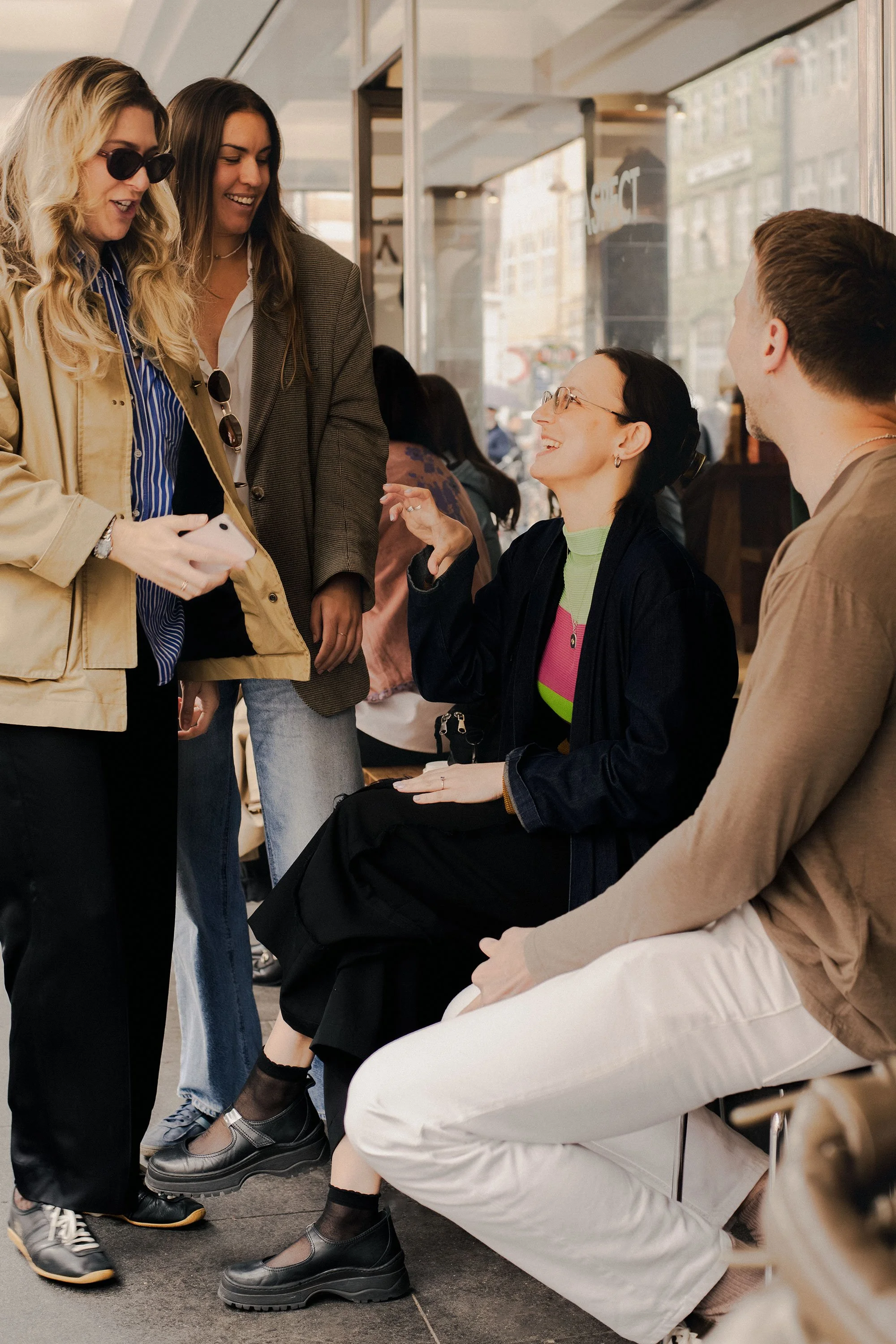
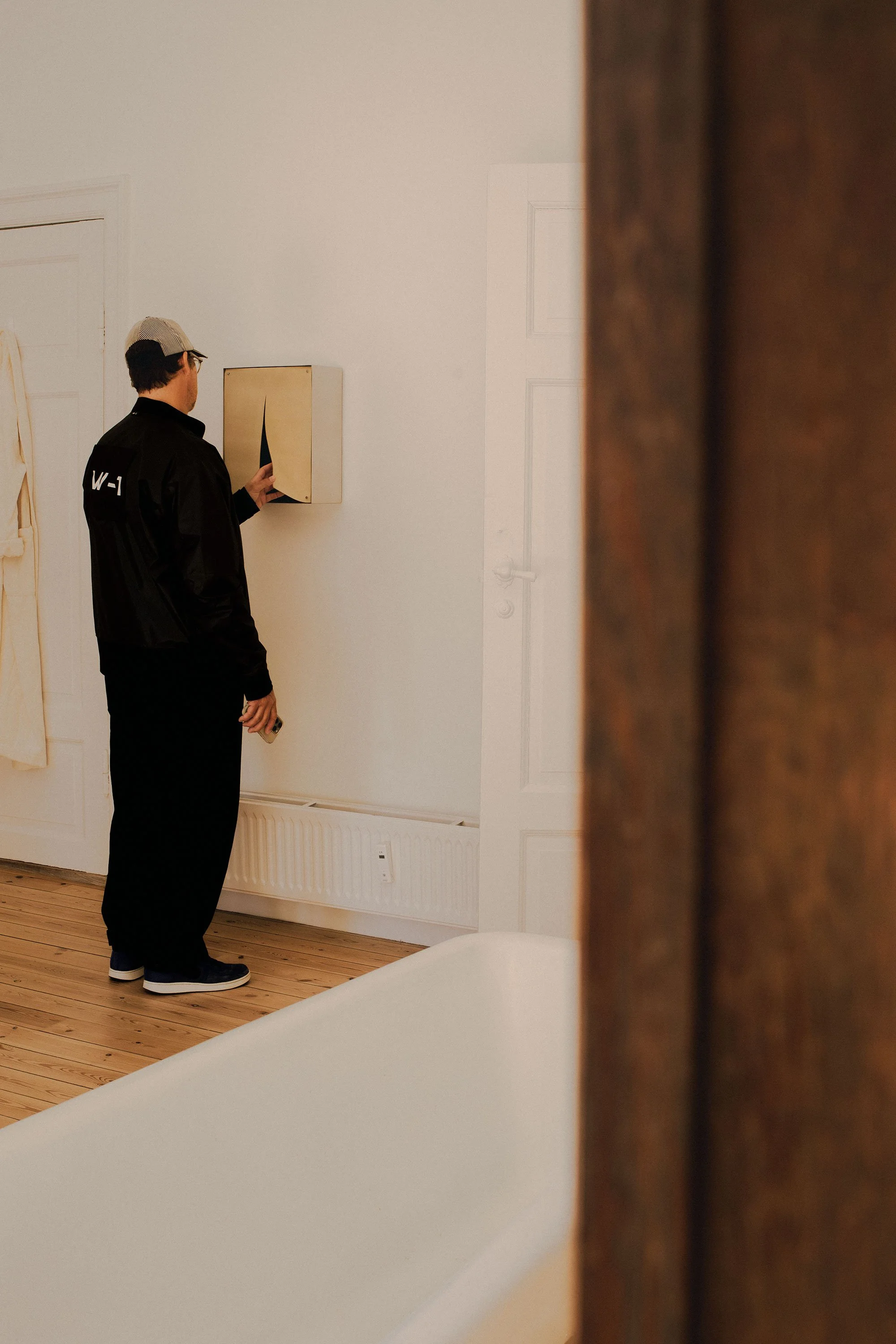
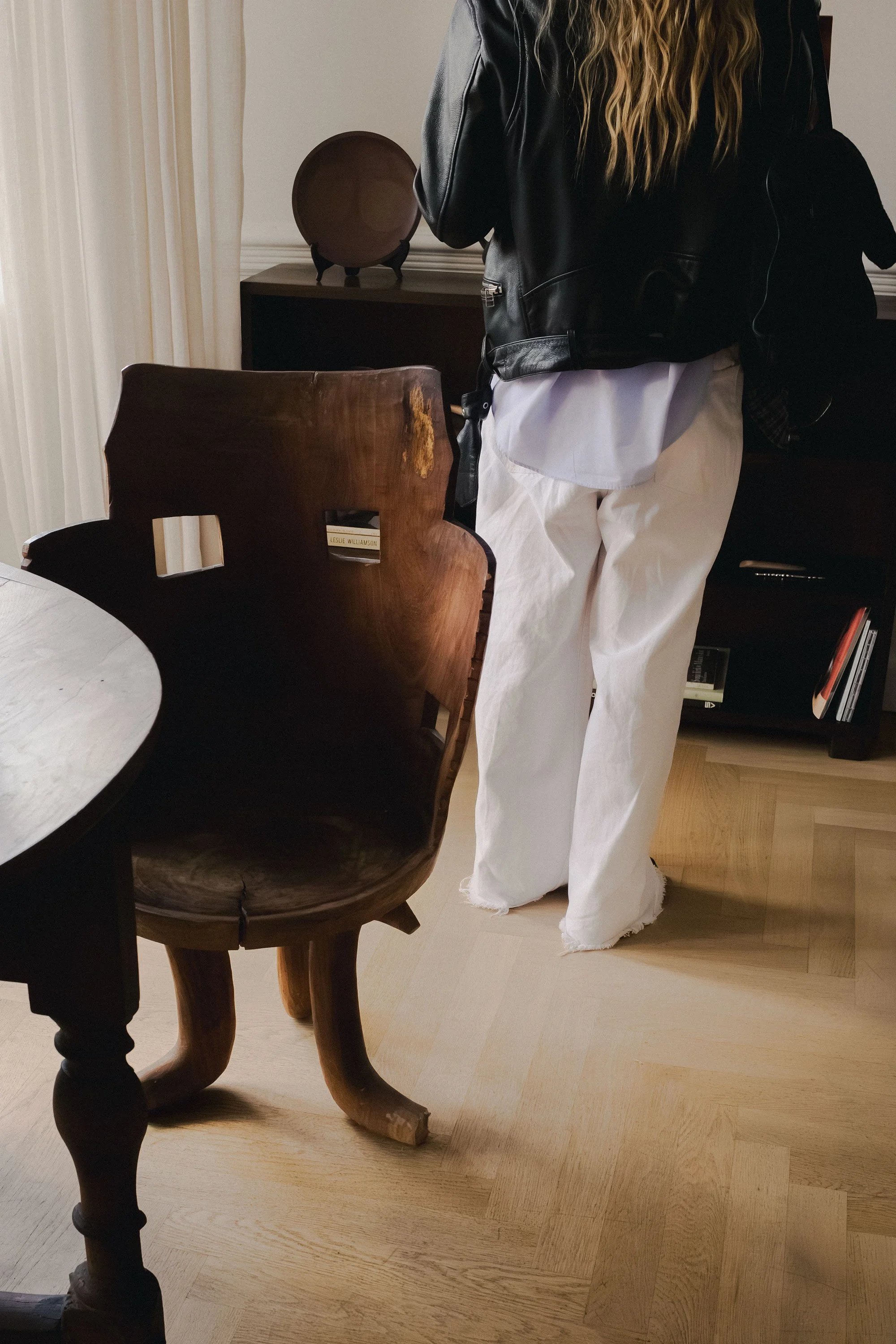
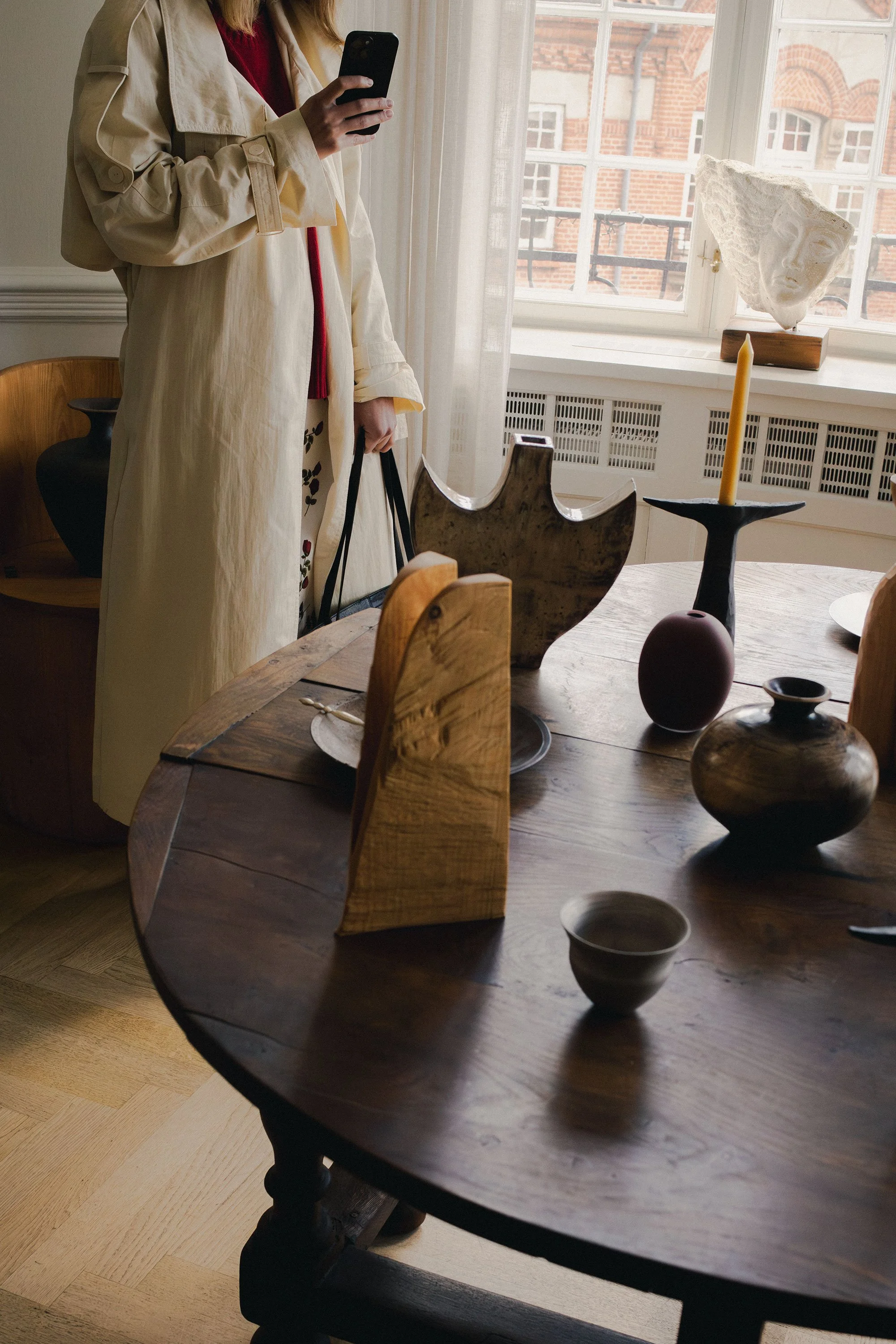
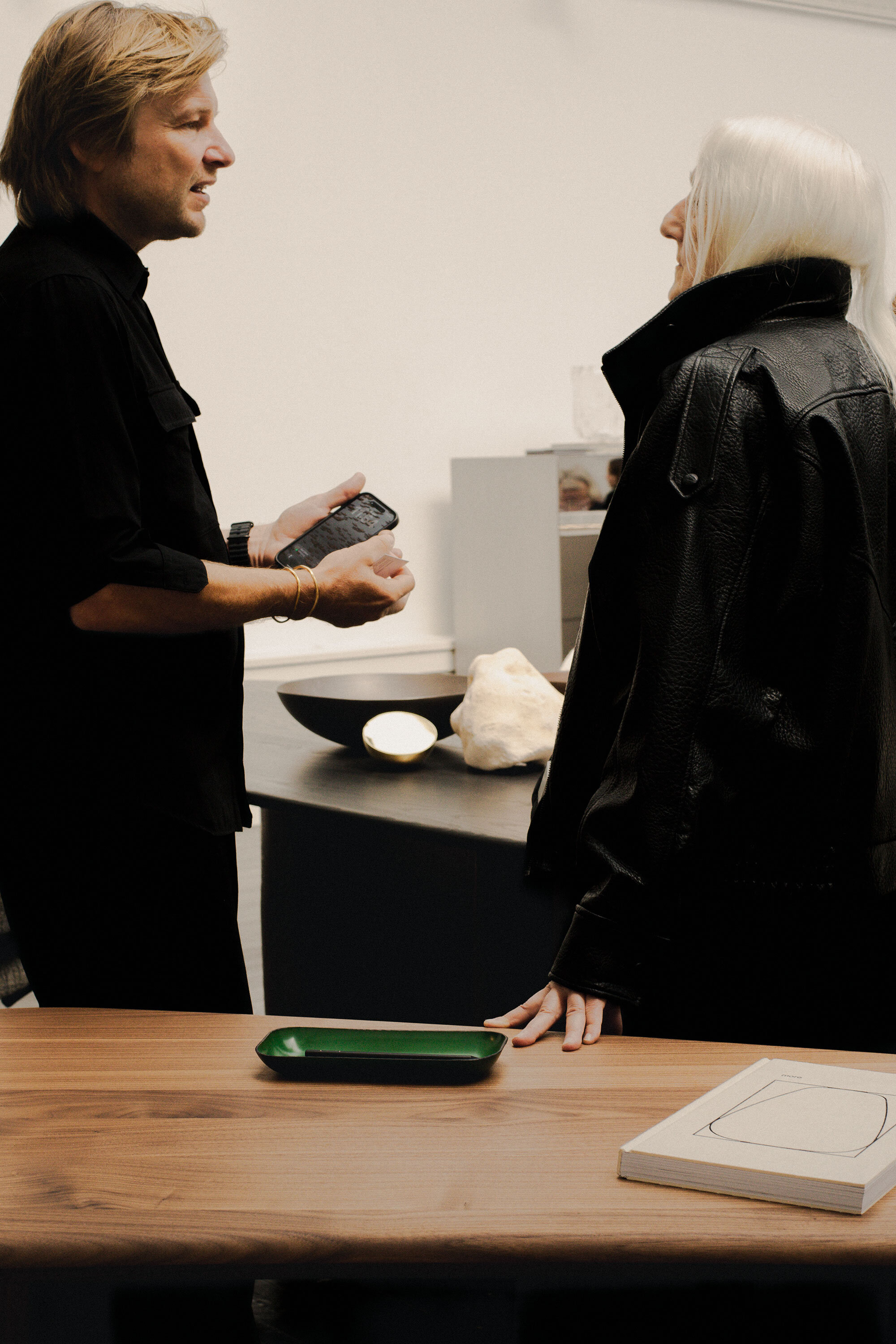
It’s for this reason that, rather than another round-up of ephemeral exhibitions, we asked Dina Grinberg to shoot a series of photos on, not the things, but the people who increasingly come from all corners of the globe and are proof of the city’s enduring accessibility.
Comparisons between Copenhagen’s and Milan’s design weeks are in endless supply. It’s discussed on the streets of both cities and in boardrooms the world over as brands decide when and where to show their new wares, or increasingly, throw a good party. Cities like Milan, London and Tokyo can absorb large events imperceptibly, with visitors and commuters blending in as they traverse metros and city streets.
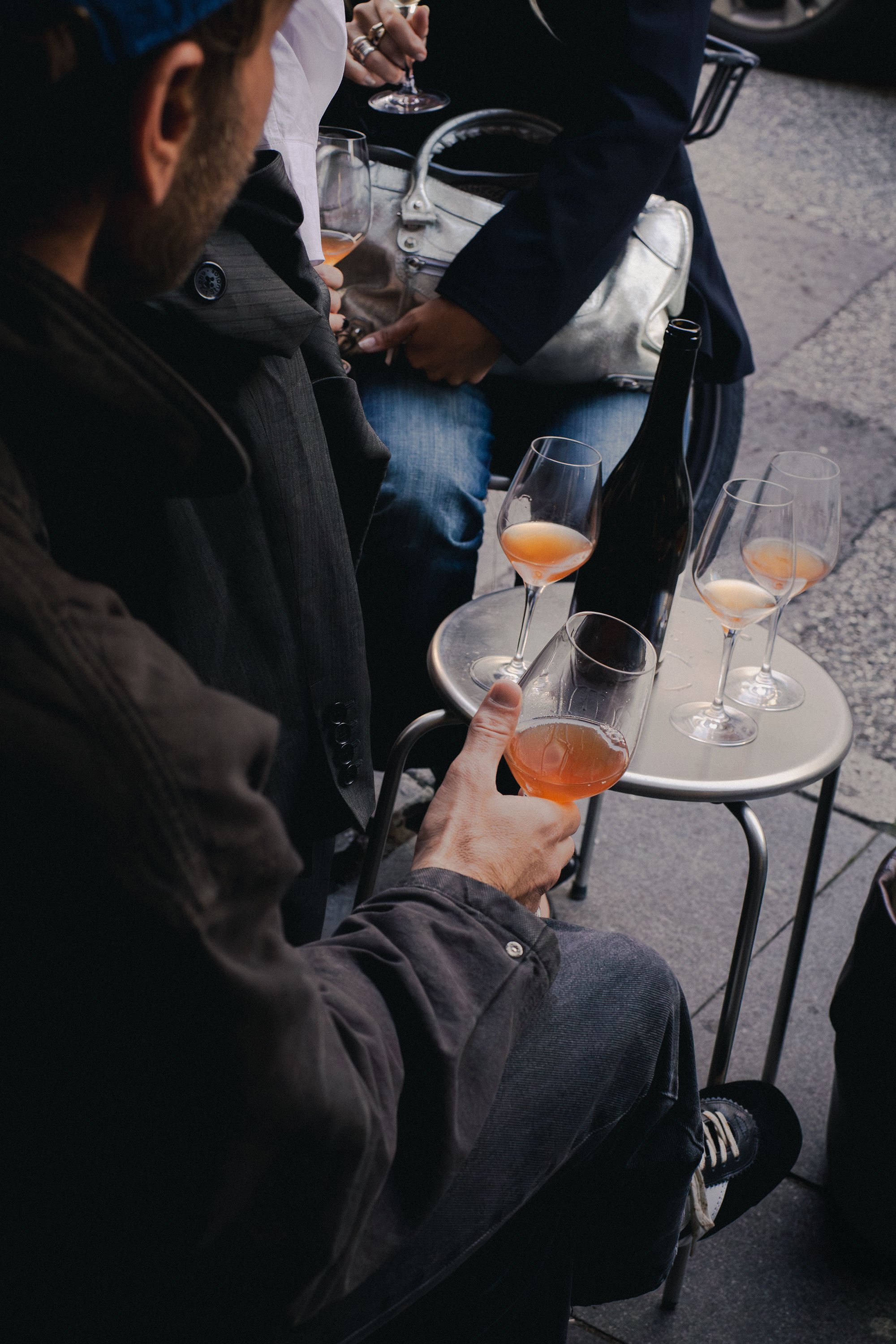
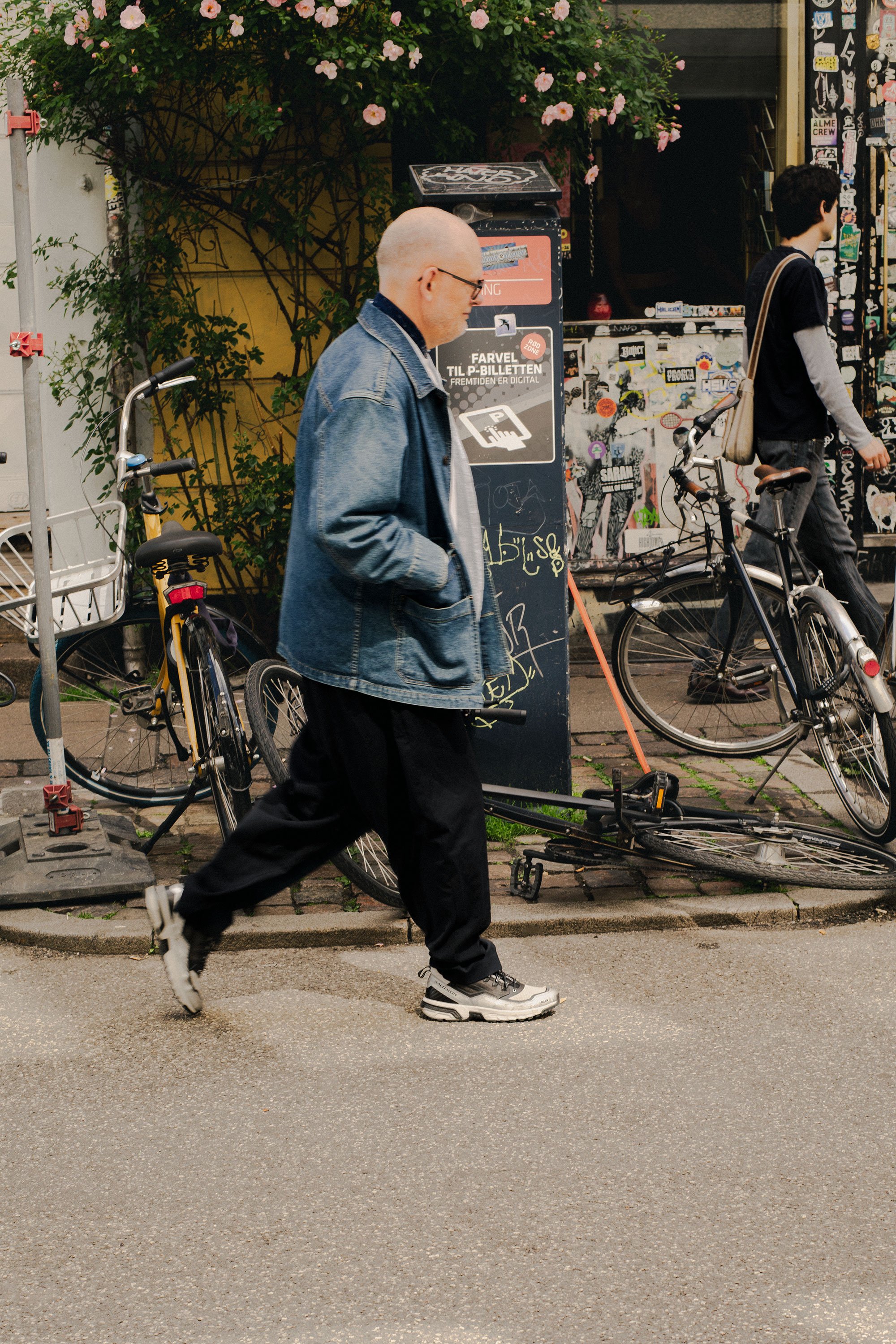
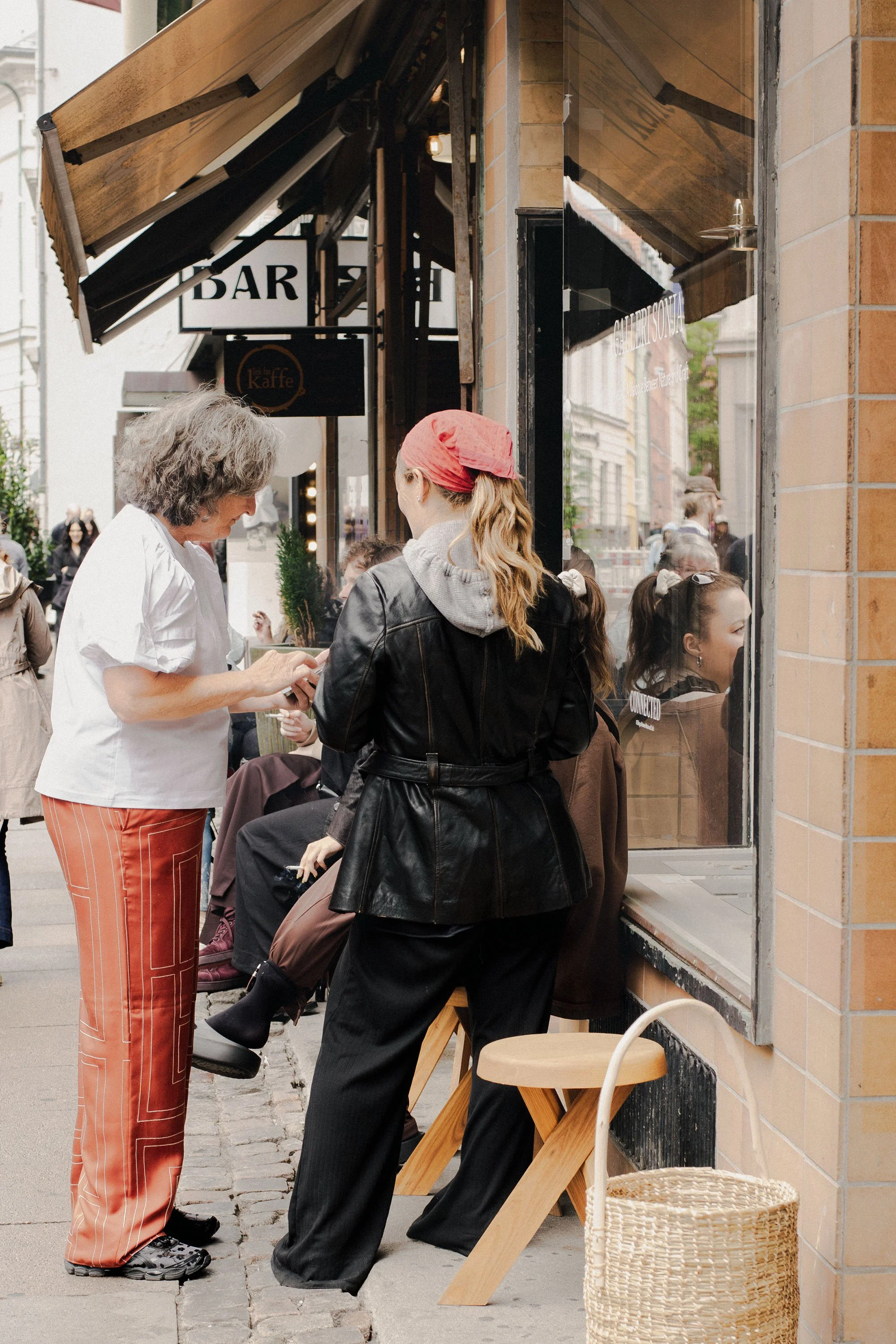
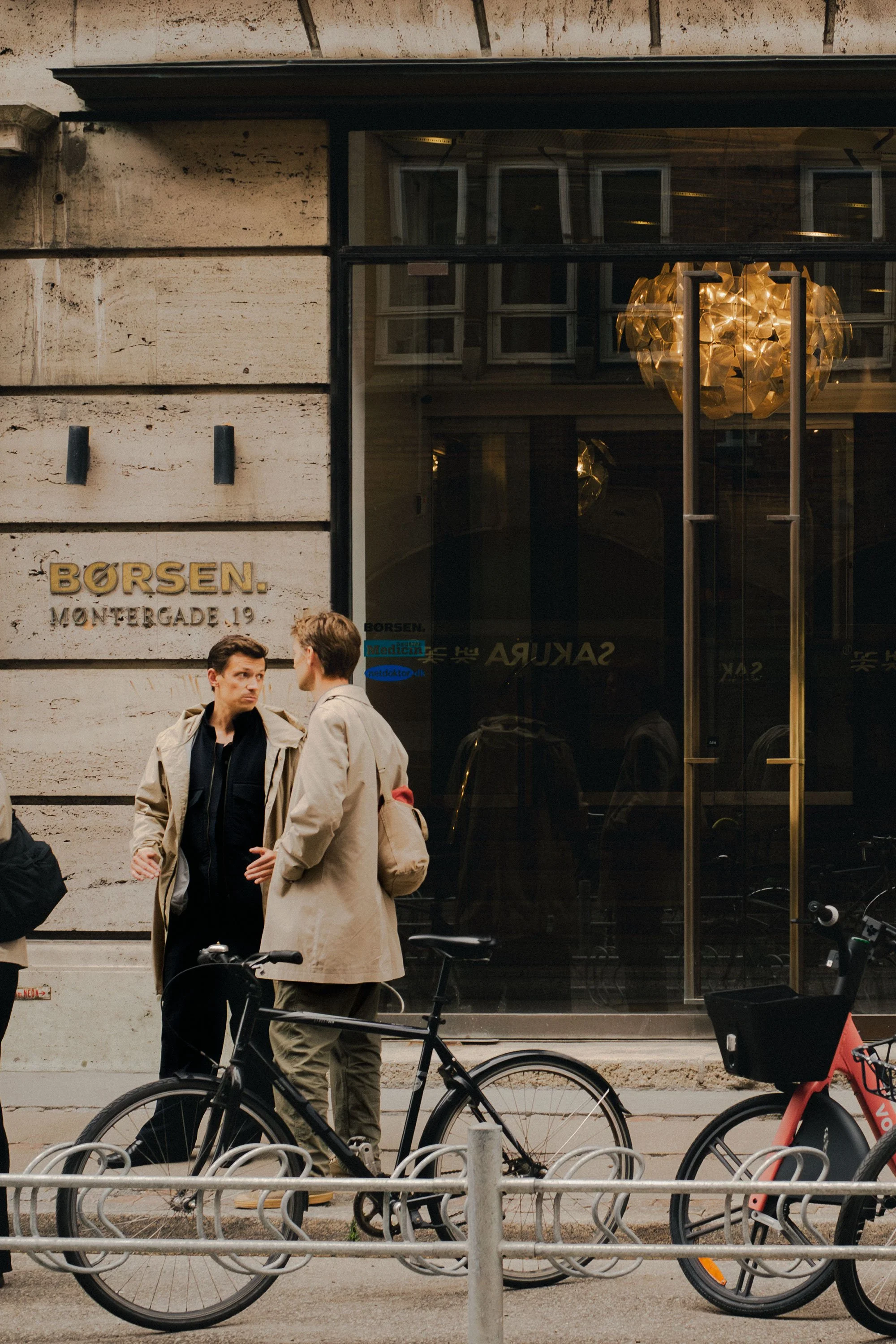
Copenhagen’s small size, paired with absurdly long summer days, lends a festival spirit as daytime becomes indistinguishable from night. But if it follows Milan’s trajectory, it will start to tear. For Copenhagen to hold on to the features that make it truly unique, it must stay open. That means working hard to avoid queues and QR codes, and treating consumers of design with the same level of respect that you give your partners and press.
Denmark’s most valuable offering isn’t pharmaceuticals, pork or political thrillers, or even its furniture or design industry. It’s a belief in the interests of the collective. It’s the idea that designers, students, consumers, journalists and CEOs should be able to occupy the same city, attend the same events and sip a tipple in the same place, united by a shared interest in making better things for the world and the people who inhabit it. As democratic ideals come under increasing pressure around the world, that’s something worth protecting.
Text by Jeremy Smart
Images by Dina Grinberg