A Former Neighbourhood Izakaya Becomes a Celebration of Korean and Japanese Traditions
Negu Inc has reinterpreted the materials of the former venue to create a Korean restaurant that fuses Korean and Japanese craft and culture
Shuichi Ishiyama had an unusual idea for a restaurant in Tokyo. Ishiyama, who was born and raised in Japan but is a Korean citizen, thought the trademark dish should be one with deep cultural significance: miyeok-guk, a savoury seaweed soup traditionally eaten on birthdays and after giving birth. ‘My mother made it for me every year on my birthday,’ says Ishiyama, whose Korean name is Chung Sooil.
Koreans have been eating miyeok-guk for centuries, yet despite the huge popularity of K-pop, K-dramas, K-beauty and K-food, the soup is not well known in Japan. Le Chozen, in Tokyo’s Yutenji district, showcases this unfamiliar side of Korean food culture with a menu that’s partly based on recipes from Ishiyama’s mother.
After the idea came the space, which Ishiyama and business partner Shohey Kondo found along the main shopping street near Yutenji railway station. The 60-square-metre venue had previously housed a local izakaya, and its timber-framed facade and interior were so dilapidated that Ishiyama and Kondo envisioned a drastic makeover.
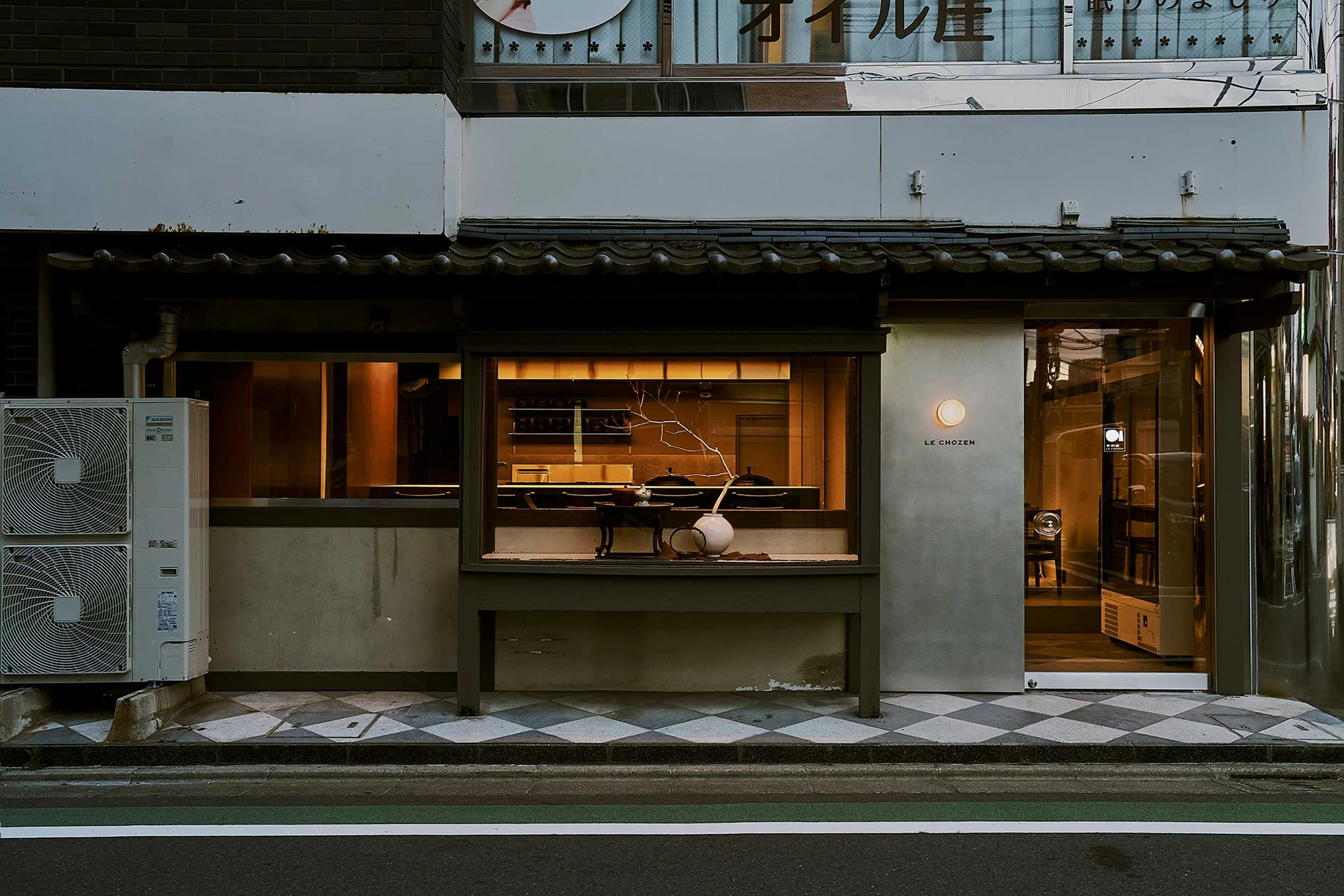
But Tokyo-based design studio Negu Inc recommended reusing much of the facade. ‘Locals were accustomed to seeing the izakaya’s exterior, so I felt that it would be better not to completely redo it,’ says Negu’s Kenta Nagai. Similarly, some of the interior features were kept to preserve the much-loved restaurant’s memory.
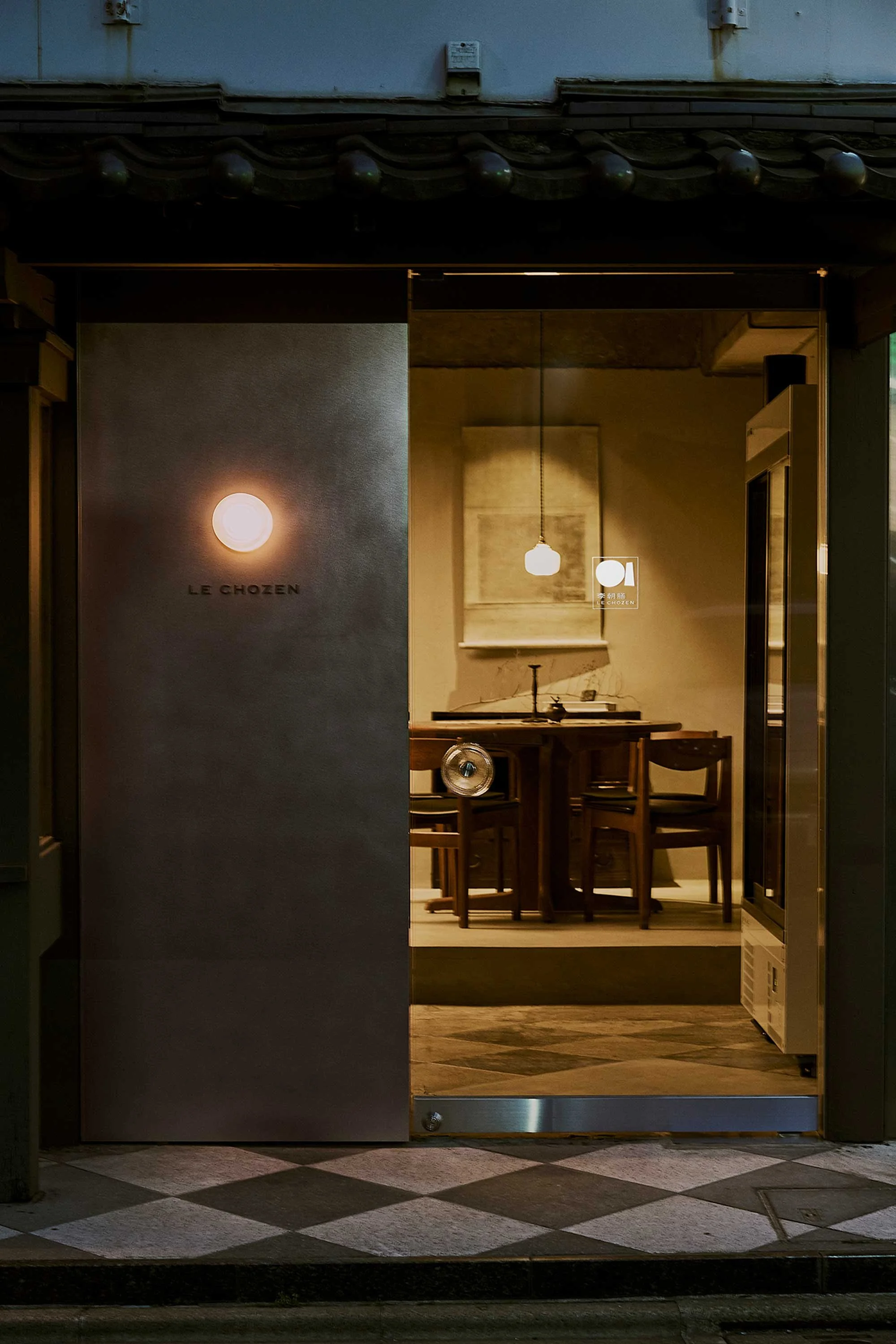
With its wooden frame, protruding bay window, clay-tiled eaves and diamond-pattered paving, Le Chozen looks similar to the old izakaya. But Nagai replaced the sliding wooden doors with a metal panel and glass door for a more contemporary appearance. He also removed the thin wooden slats covering the windows to give passers-by a view of the interior.
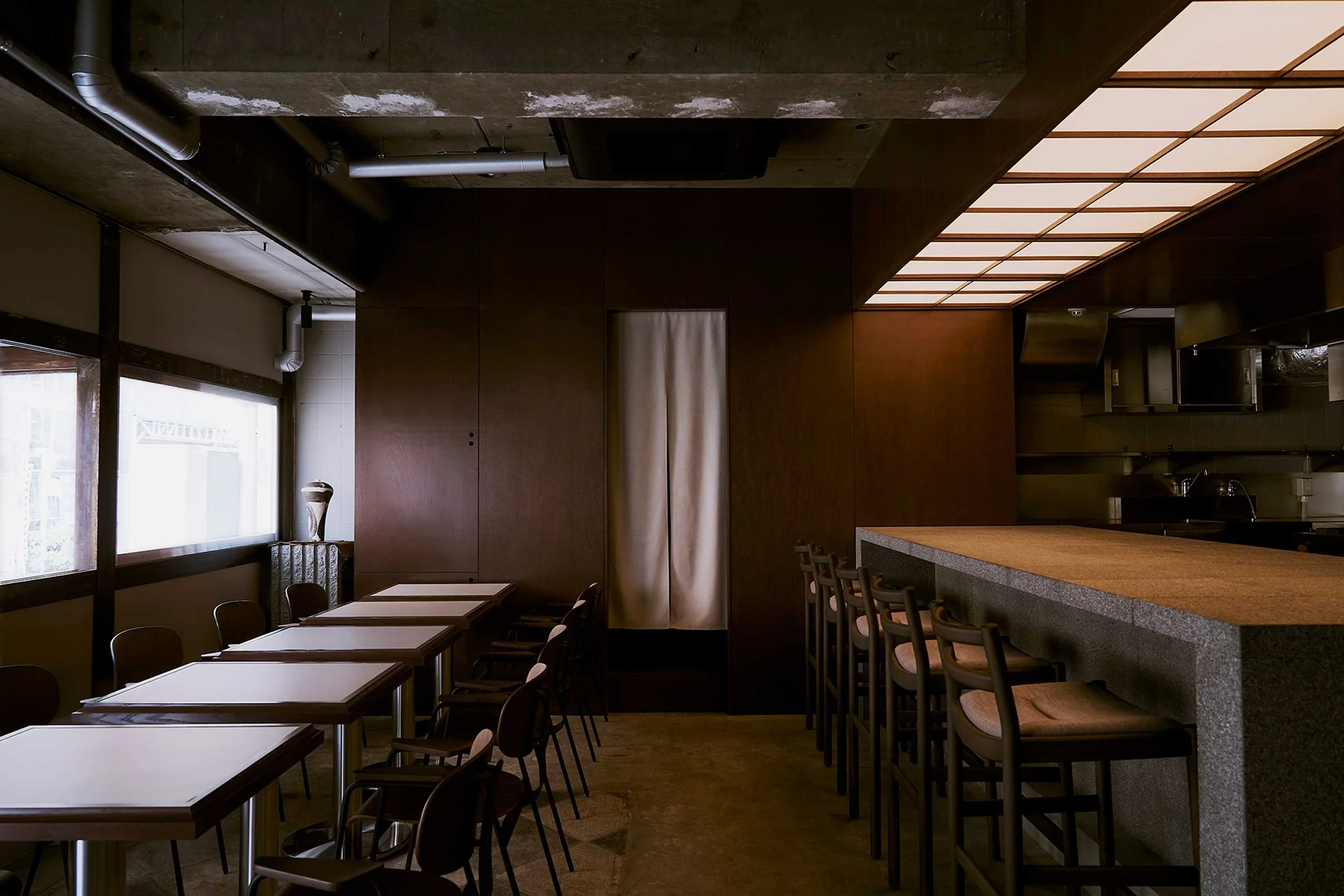
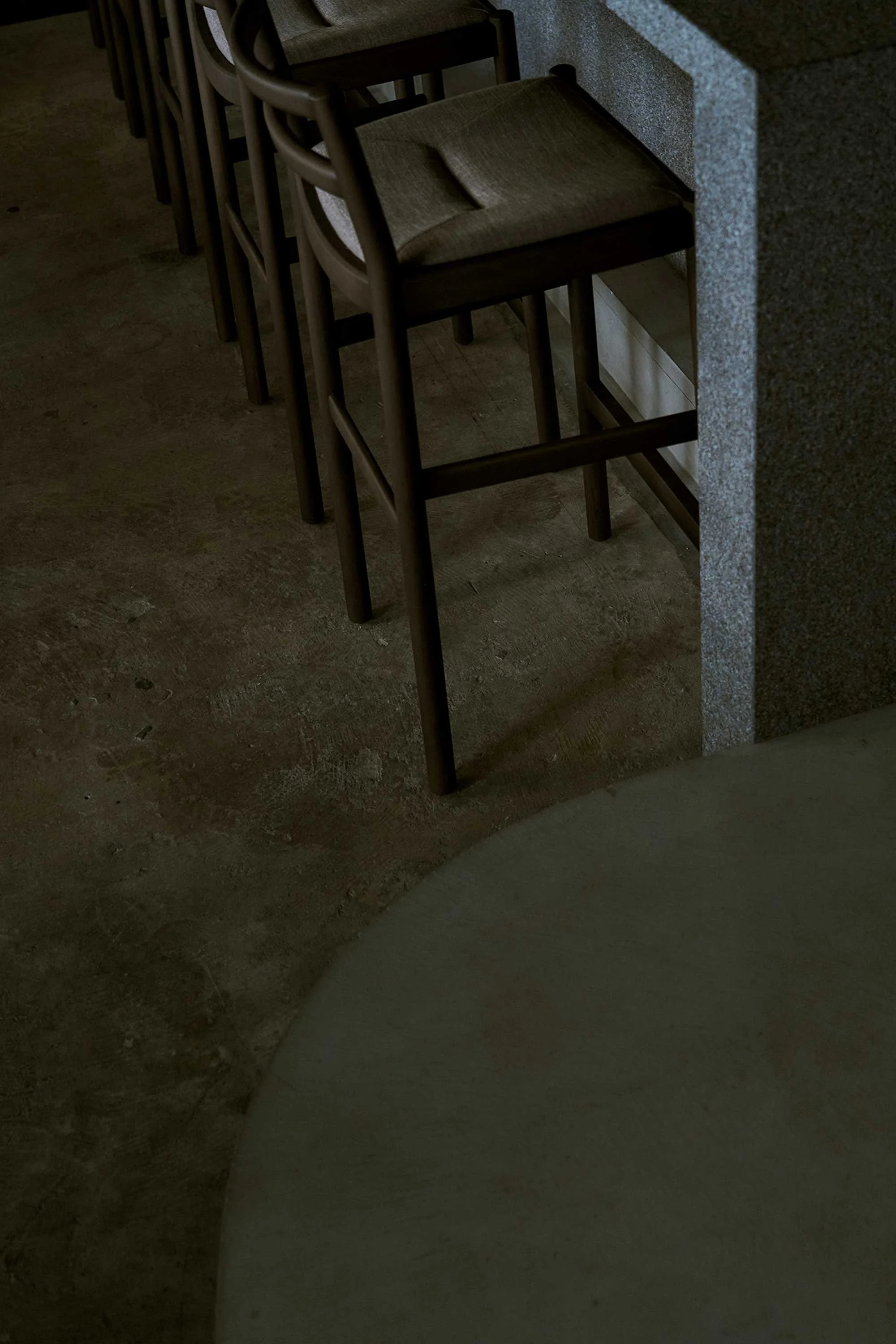
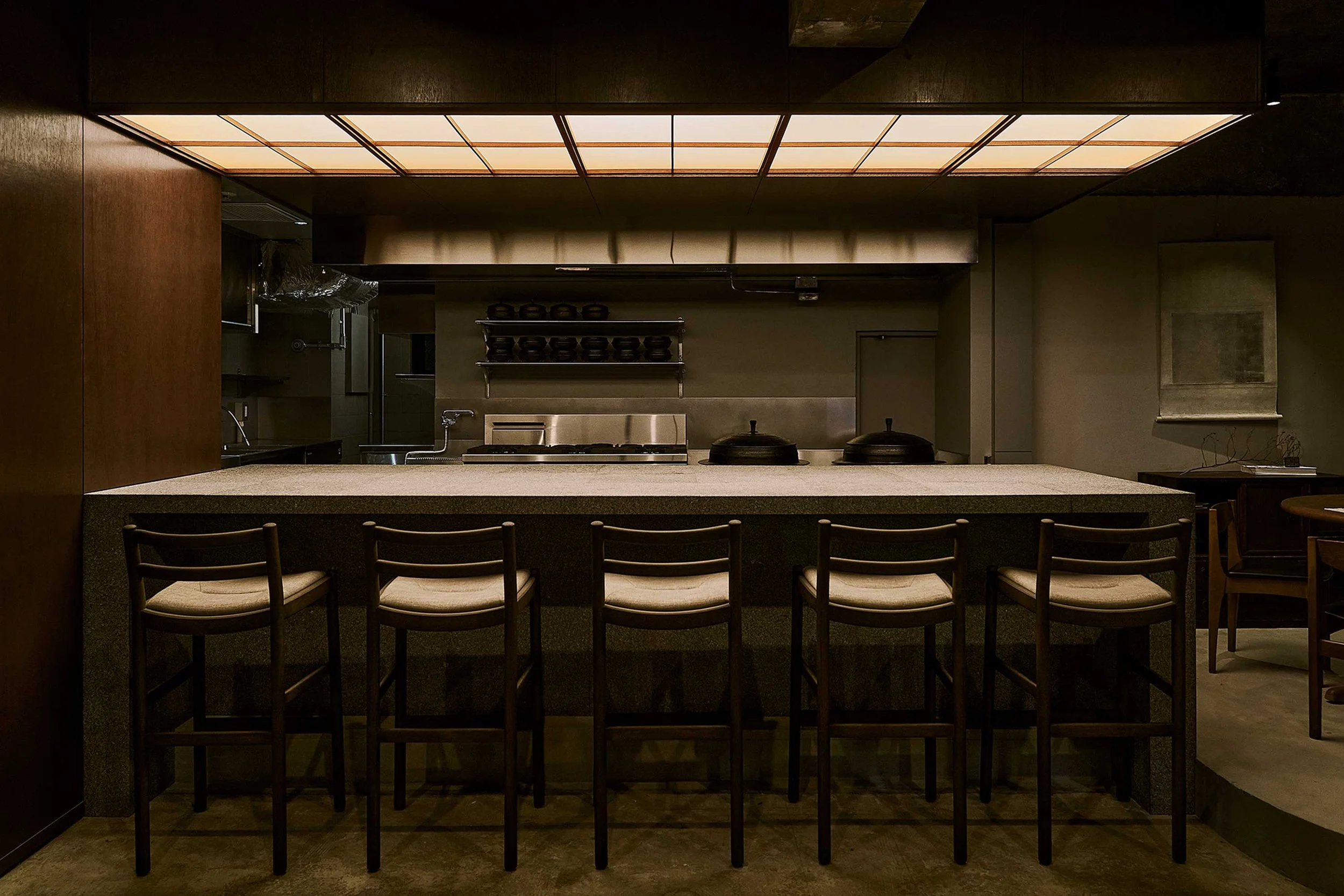
Inside, Nagai stripped the space to its concrete skeleton and filled it with elements of Korean and Japanese craft and design. The counter separating the kitchen and dining room is made of granite, which is commonly used for tombstones in Japan and traditional dolsot cookware in Korea. The room is lit from above by a grid that calls to mind a Japanese andon lamp of wood and washi. Both counter and lamp were inspired by the izakaya’s interior. A Joseon-style soban, a low portable table whose existence has been traced to Korea’s first ancient kingdom in the first millennium BCE, sits in the bay window. These versions are known in Japan as chozen, giving the restaurant its name.
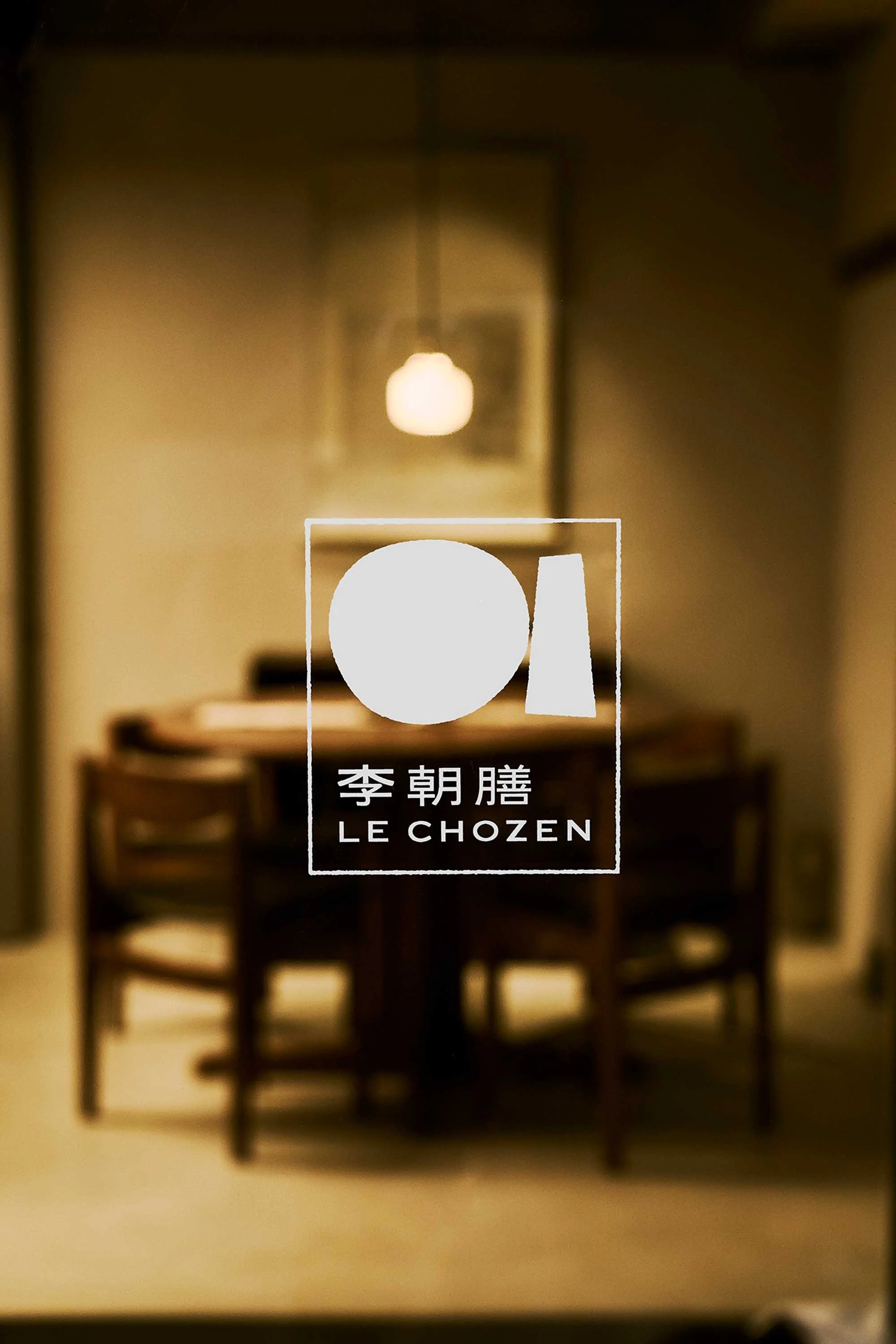
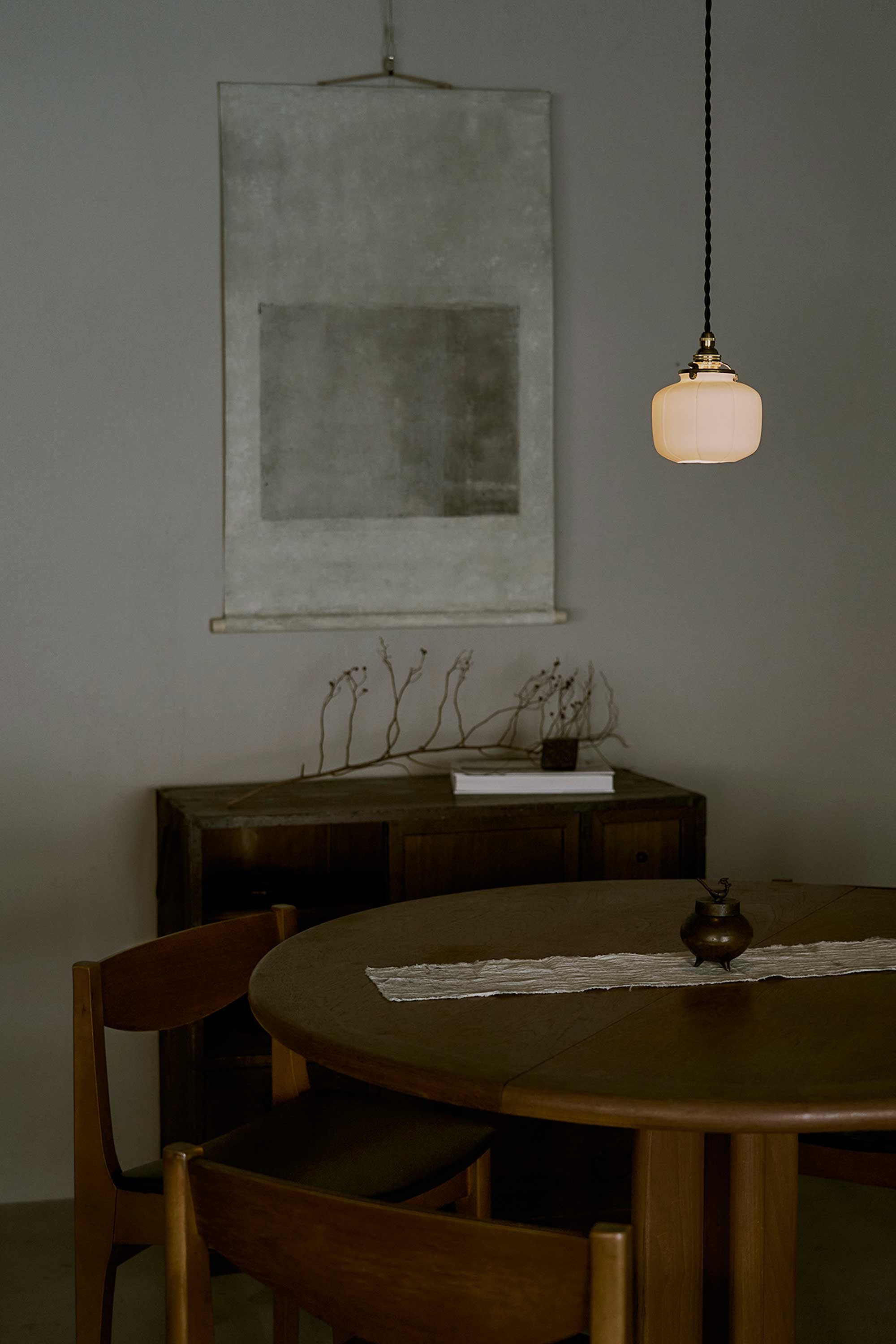
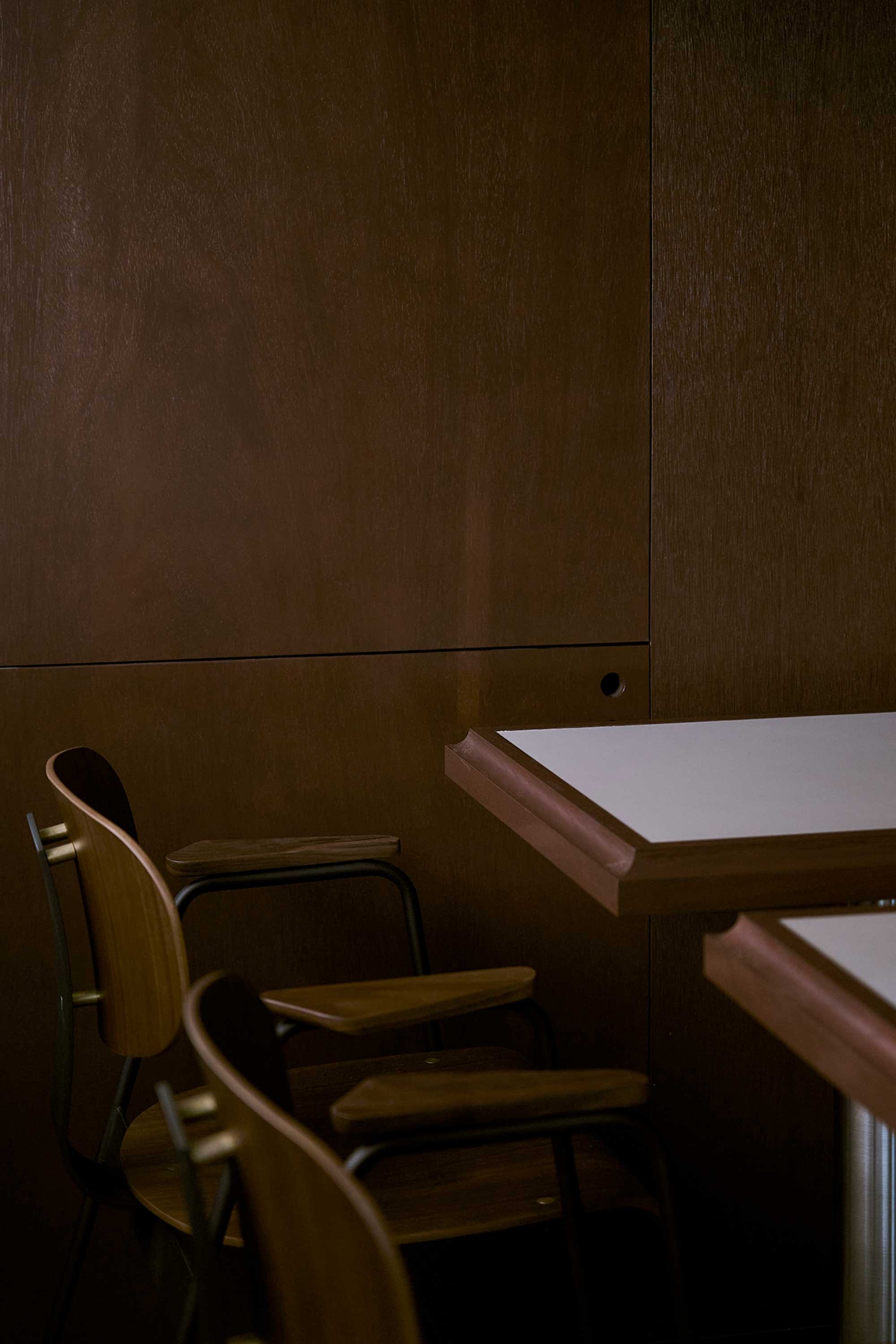
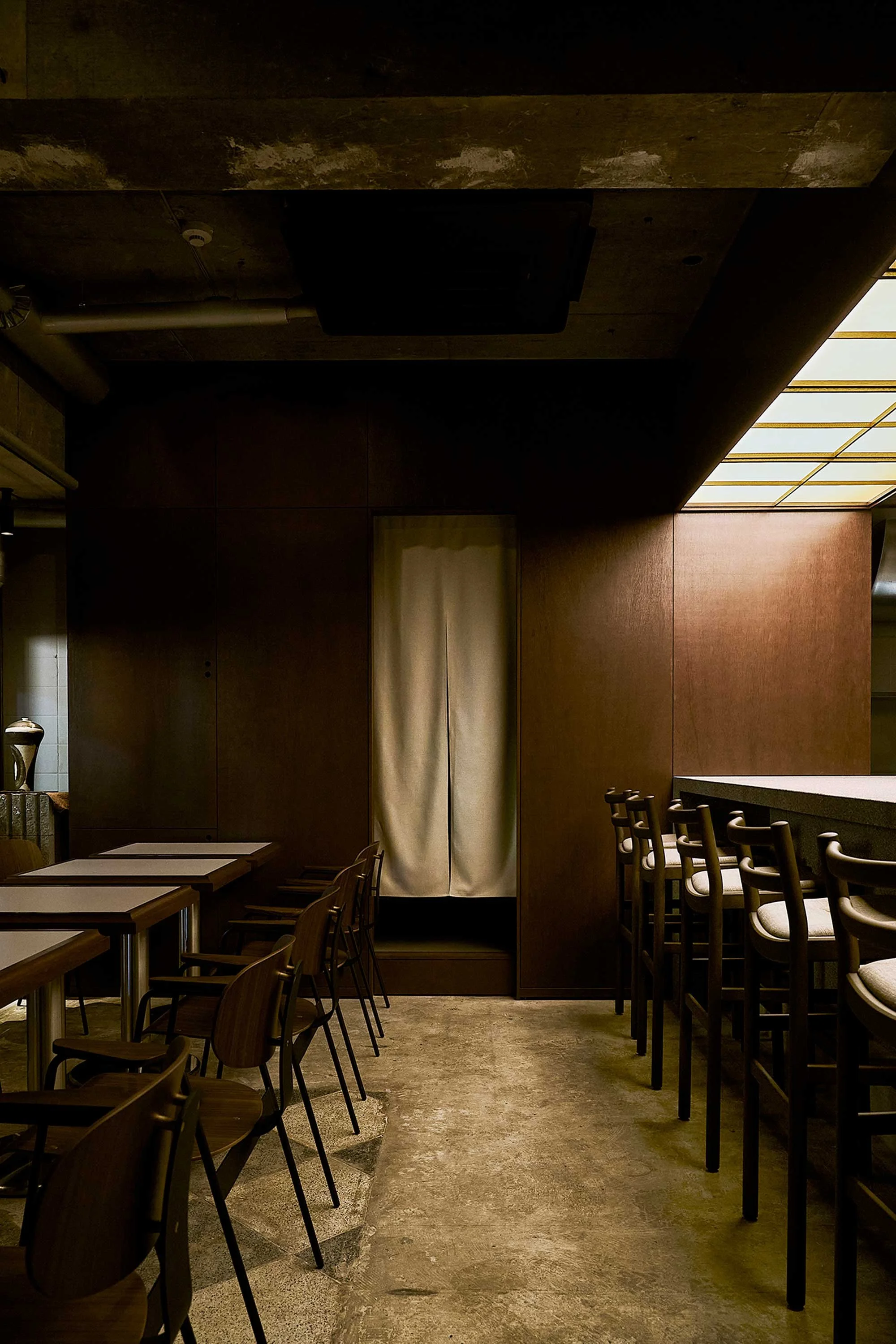
Nagai’s mix of rough and refined materials creates a sense of lived-in comfort. The dark-stained custom furniture and matching luanplywoodpanels on one wall and part of the ceiling contrast with the bare concrete of the other walls. An existing metal column near the entrance was kept for its modern touch and connection to the building. An elegant ceramic pot sits atop a stack of industrial breeze-blocks in one corner, and Japanese contemporary artist Wataru Hatano’s layered washi work hangs above a vintage wooden cabinet.
‘The combined effect is that of a place you might find in either Korea or Japan,’ says Nagai, a duality that mirrors Ishiyama’s own experience of straddling and switching between cultures.
Text by Kenji Hall
Images by Sanju