A Matter of Scale at Matter and Shape in Paris
Returning to Paris during Fashion Week for its third edition, Matter and Shape sees global designers and makers examine scale, from physical dimensions to systems of craft, production and collaboration
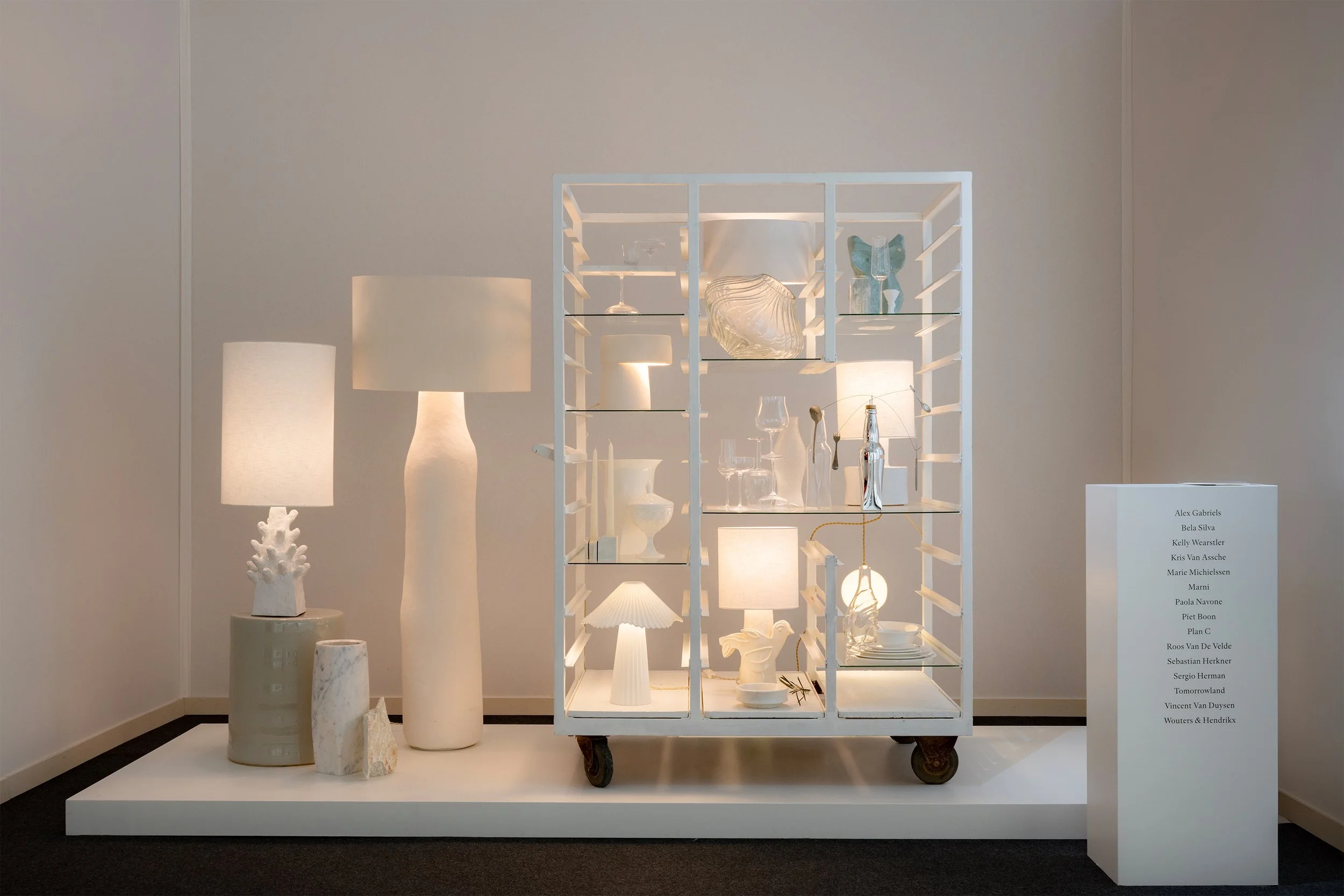
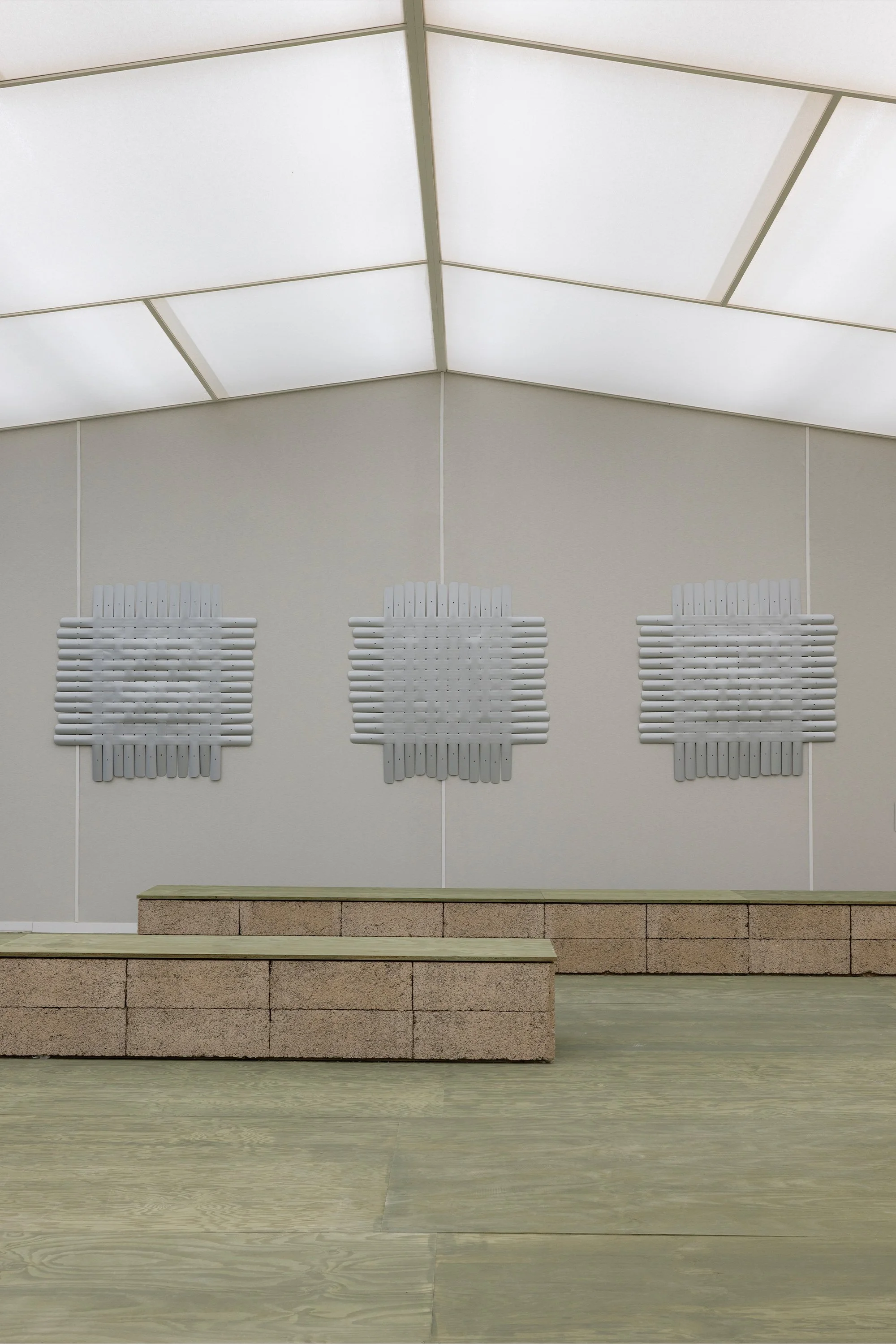
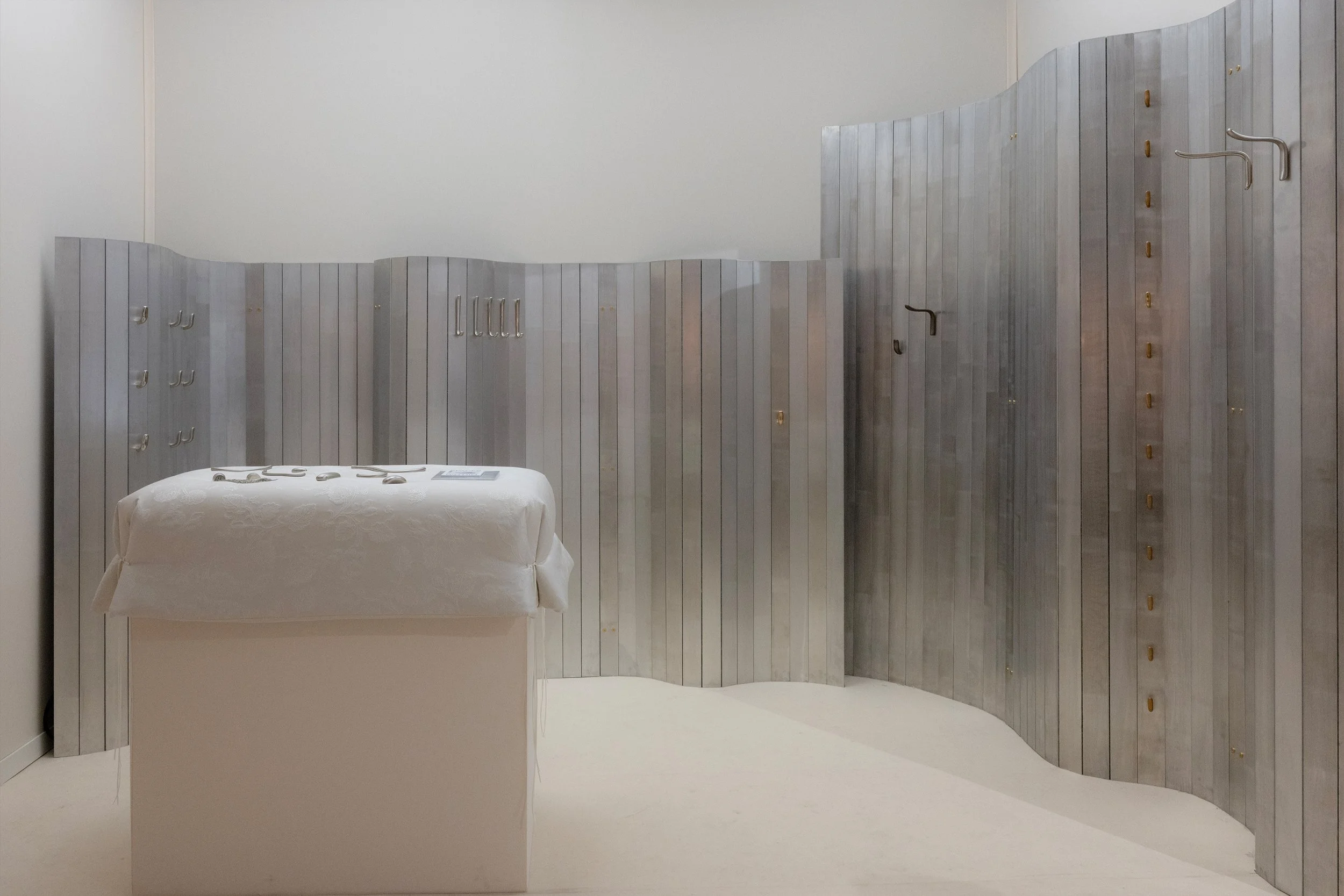
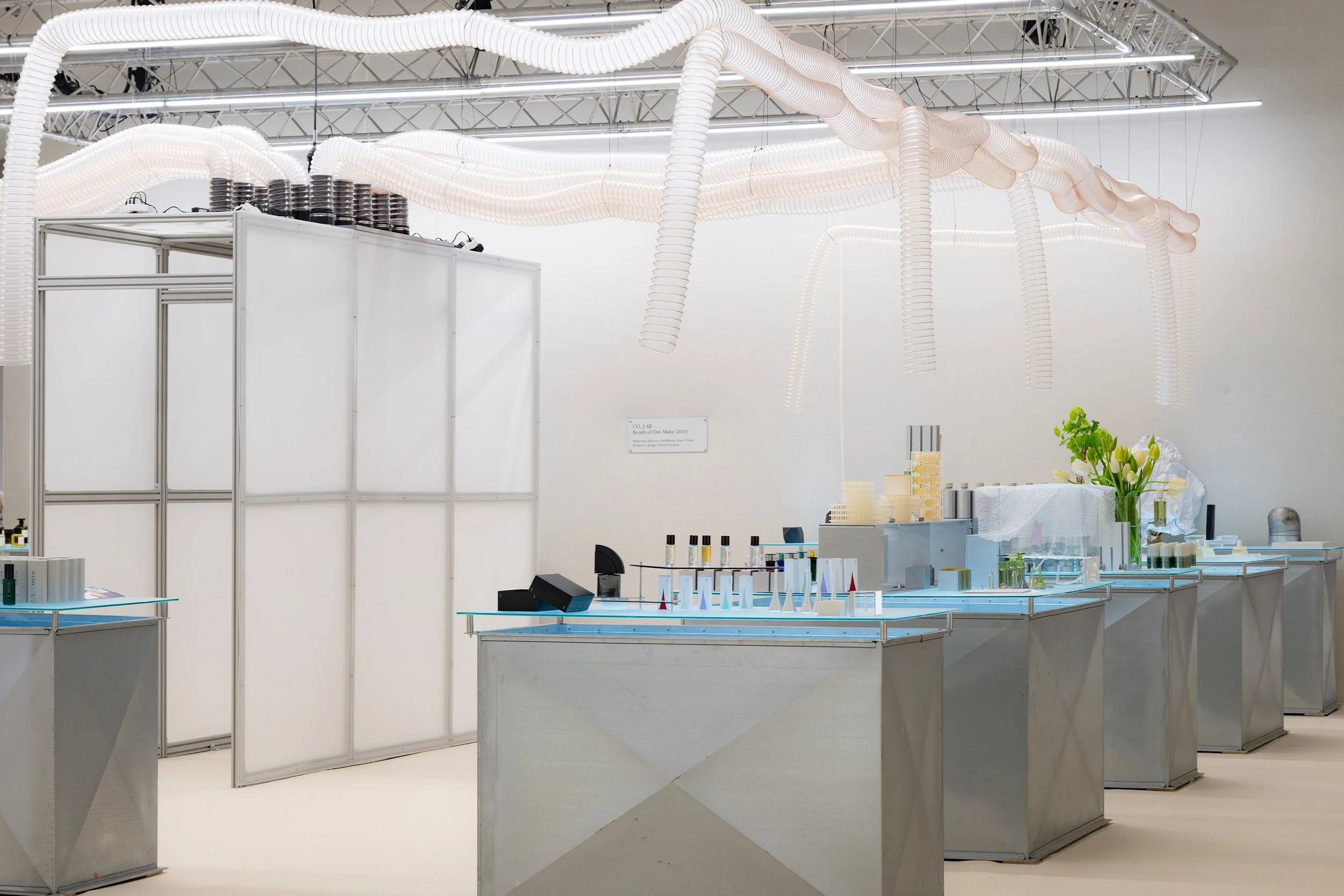
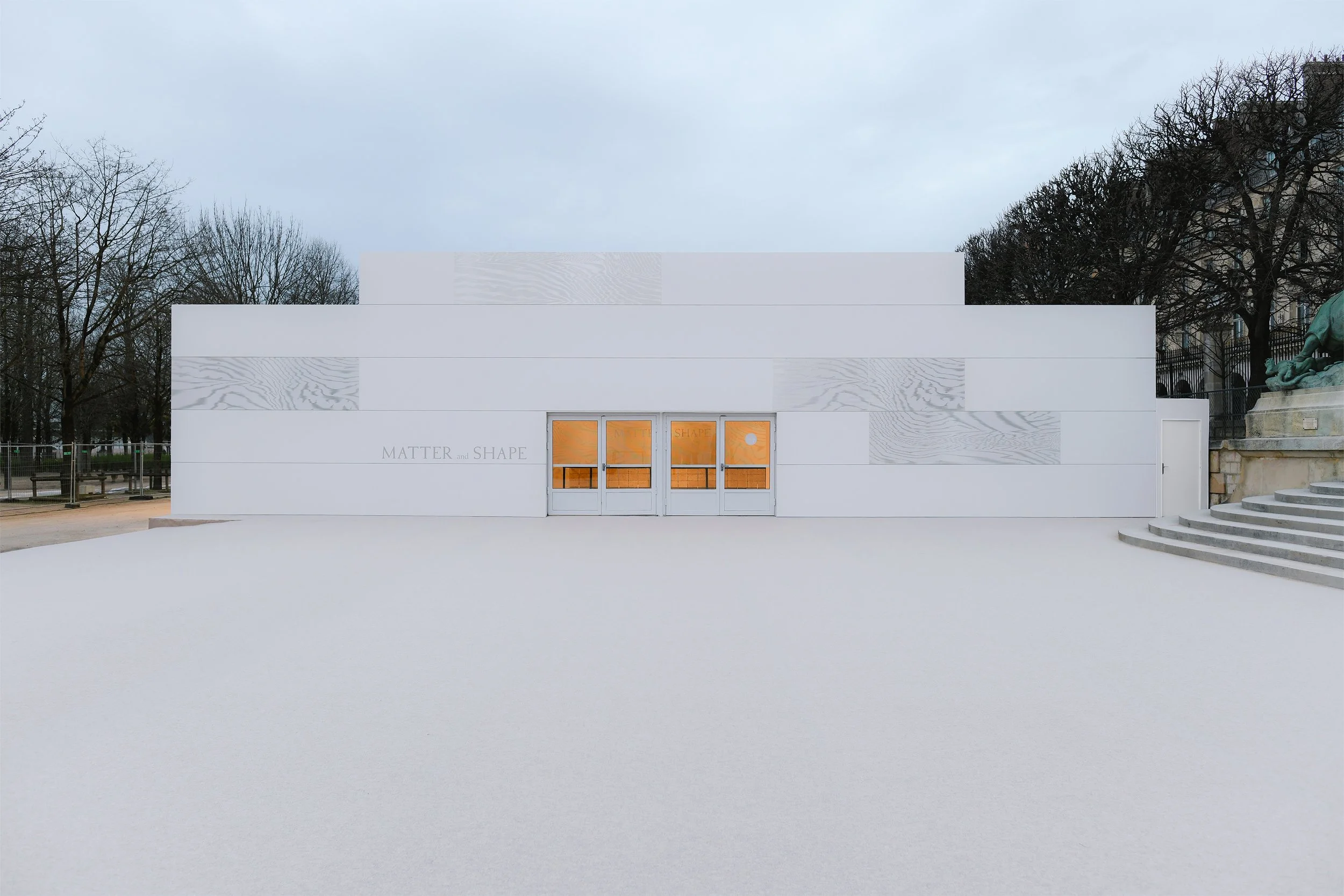
Set amidst the gravel paths and manicured trees of the Jardin des Tuileries, design salon Matter and Shape recently returned for its third edition. Led by WSN’s Matthieu Pinet with artistic direction by Dan Thawley, the event united designers under two pavilions, conceived by London- and New York-based studio JA Projects. The structures paid homage to the site’s history as a centre of silk production through the use of moiré-patterned wall treatments.
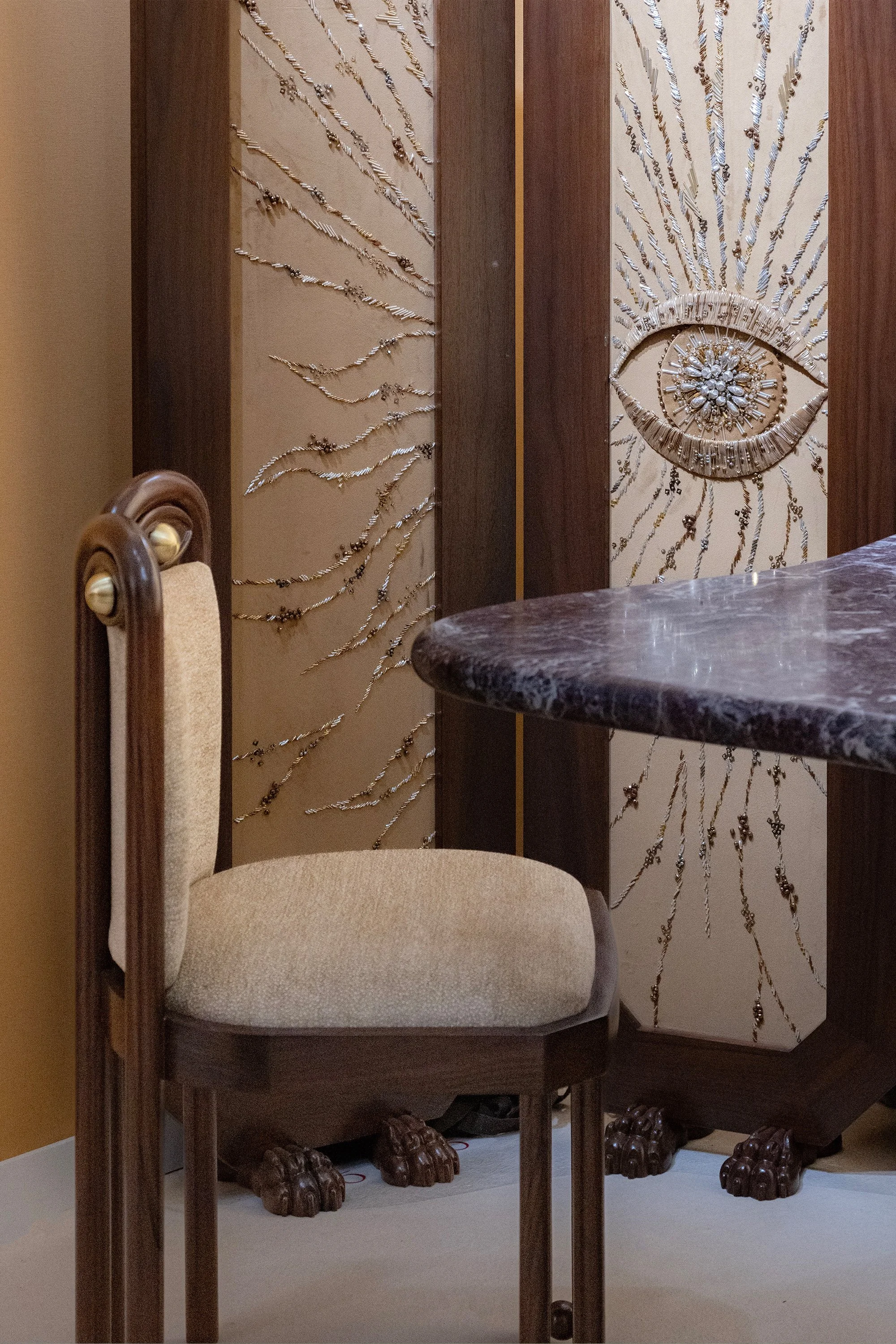
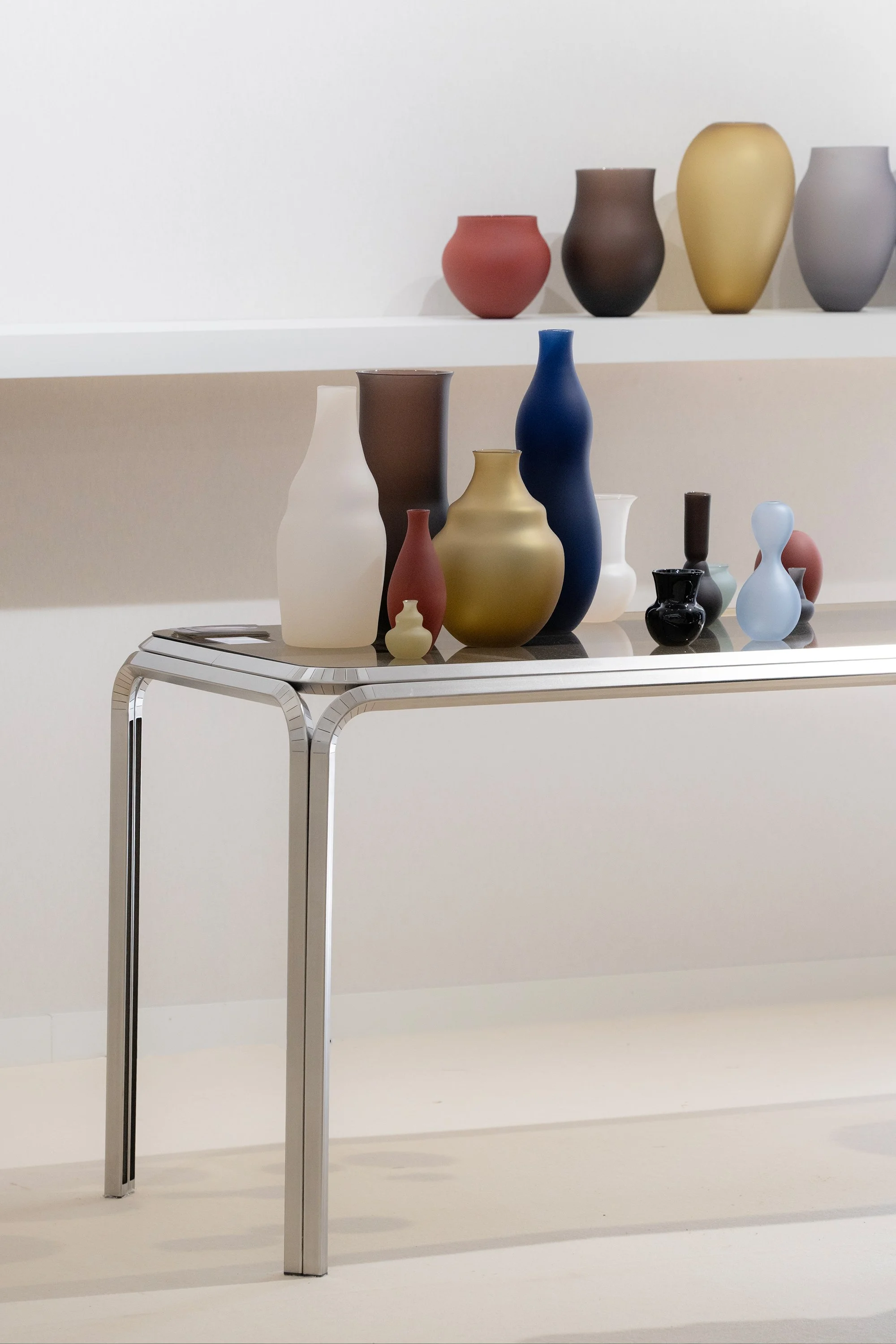
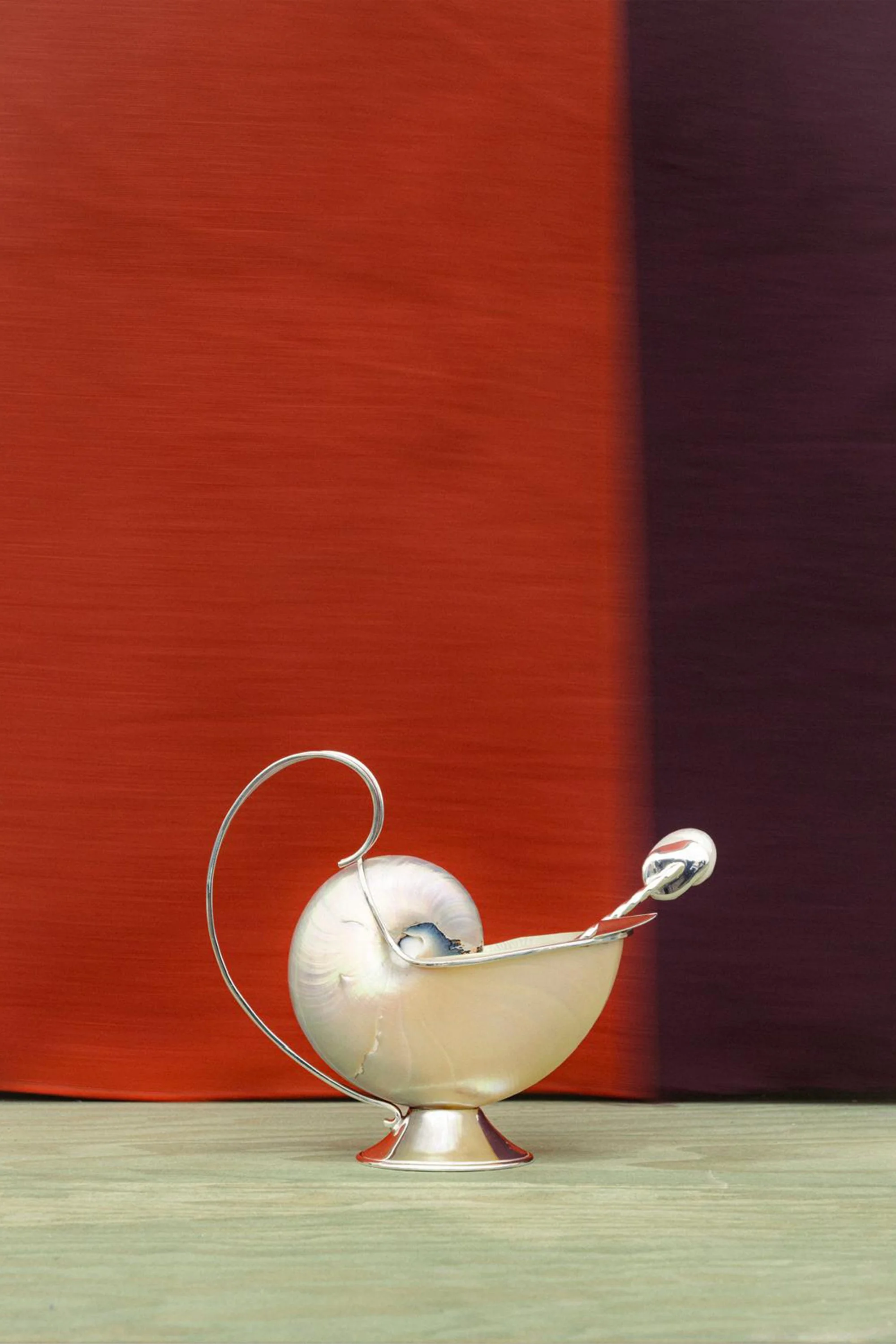
This edition adopted ‘scale’ as its organising idea — exploring not only the physical dimensions of objects but the relationships between craft, industry and the systems that produce them. ‘Scale, for me, is about the idea that we have both industrial and heritage companies that have made incredible things for centuries, and likewise younger makers who are questioning craft while working with veterans to preserve it through new designs,’ Thawley explained during a walkthrough on the fair’s opening morning. The roster reflected this diversity, featuring heritage companies like Lobmeyr, the 200-year-old Viennese crystal glassware house, alongside cultural institutions such as the Fondation Arp-Taeuber and emerging brands like Fassen, founded only in 2023.
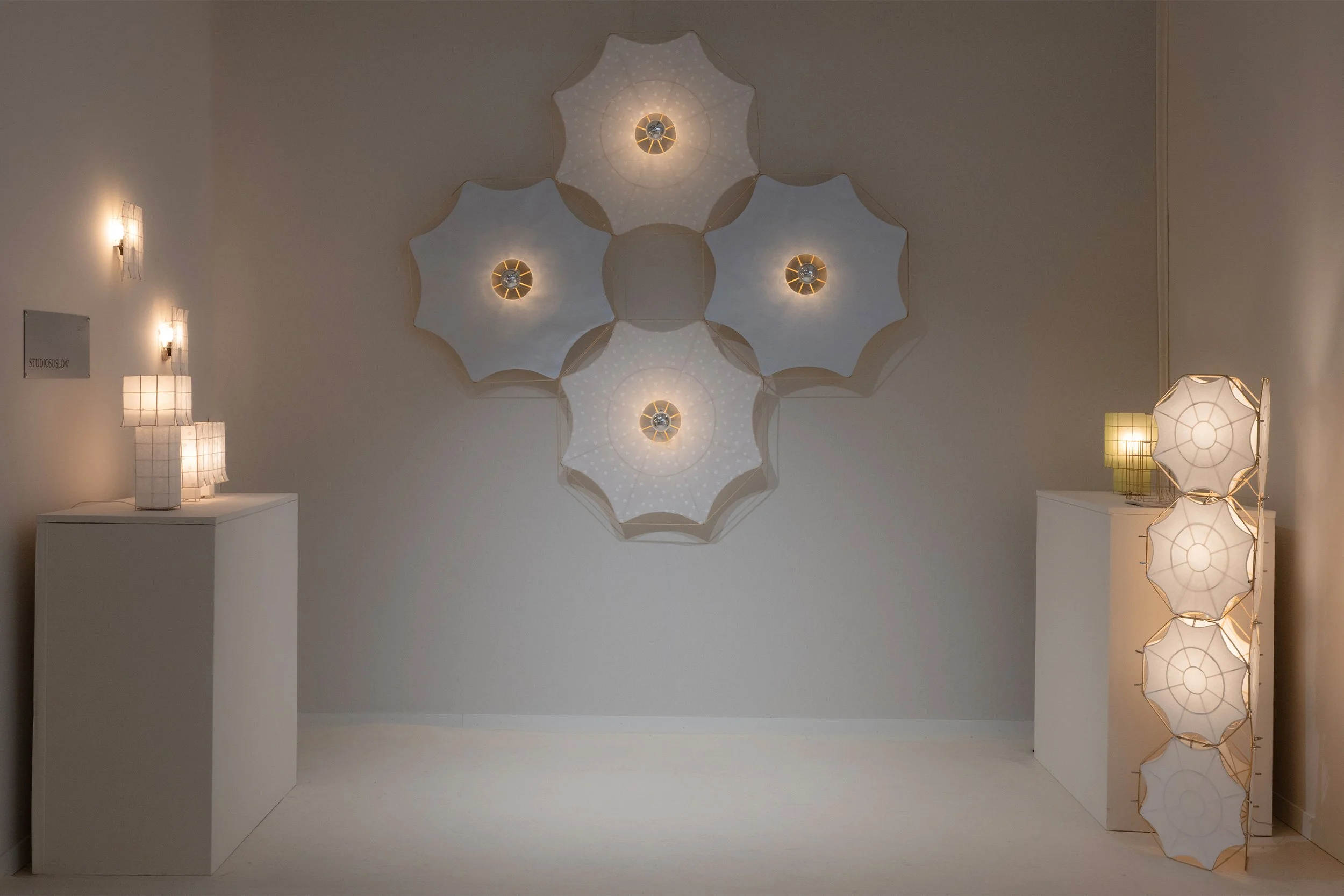
The fair moved easily between centuries-old craft traditions and contemporary experimentation. At the stand of StudioSoSlow, co-founder Shenjun Ge presented a lighting structure derived from traditional Chinese kite making techniques. In the works, thin strips of bamboo, cut using ancient methods, create a lattice that can expand dramatically in scale, from small lighting pieces to towering installations. Previous iterations have reached architectural proportions, including a six-metre version created in collaboration with Valentino for Lunar New Year at Shanghai’s Tianhou Palace. ‘I wanted to share this elegant, traditional Chinese craft, without the “oriental gaze”, translating it into a modern language that’s accessible to younger generations,’ Ge explained.
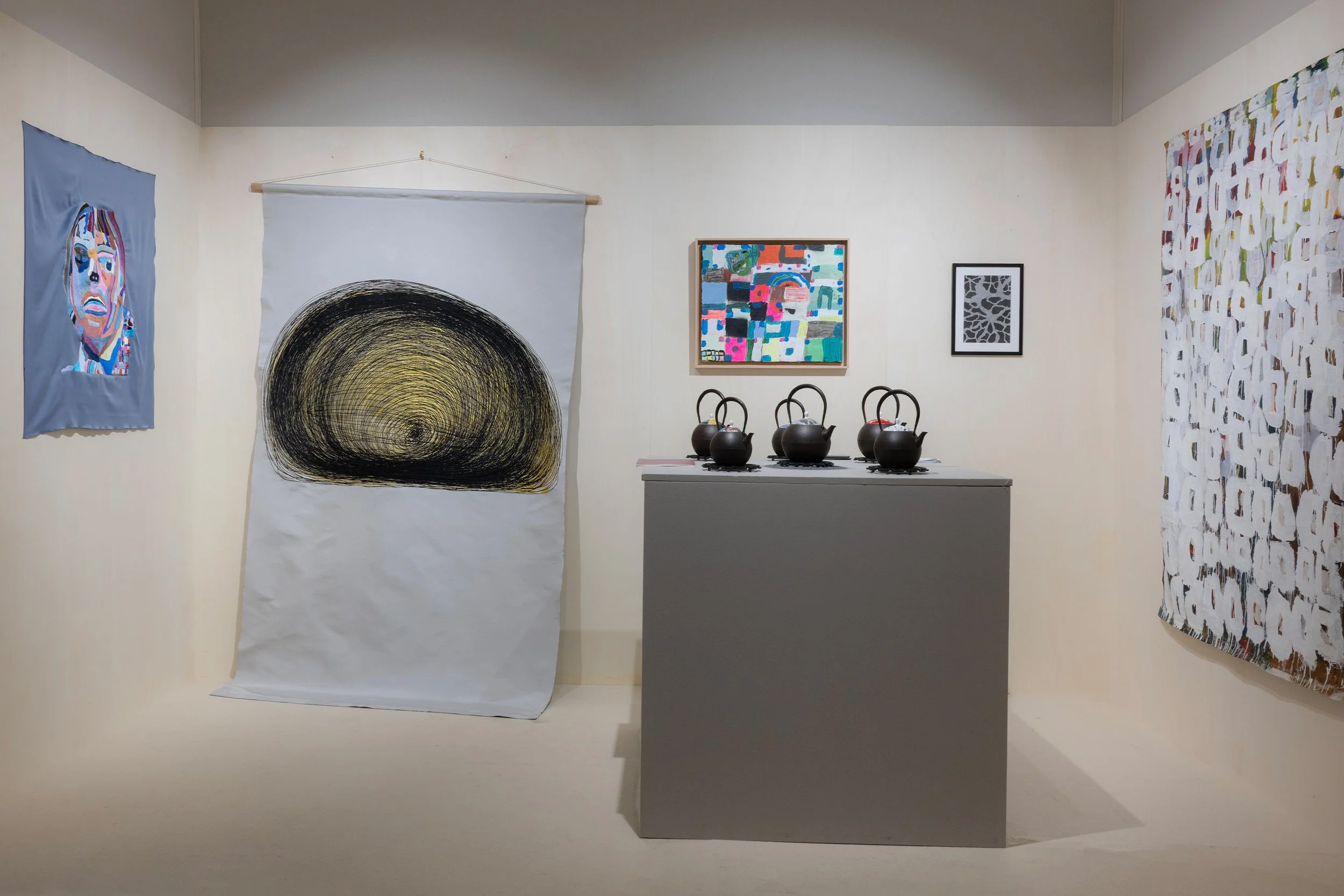
Further into the fair, Japanese brand Heralbony explored scale through reproduction. The Cannes Lion- and LVMH Innovation Award-winning company works with artists with intellectual disabilities, scaling original artworks into everyday objects through collaboration and licensing. Showcasing artists from Europe and Japan, the brand featured collaborations with master artisans specialising in Nambu ironware, Nishijin textiles and satin embroidery. ‘Art itself is precious, but it’s only one piece,’ said co-CEO Takaya Matsuda. ‘If we can scale the art into everyday life through different techniques, more people can experience it.’
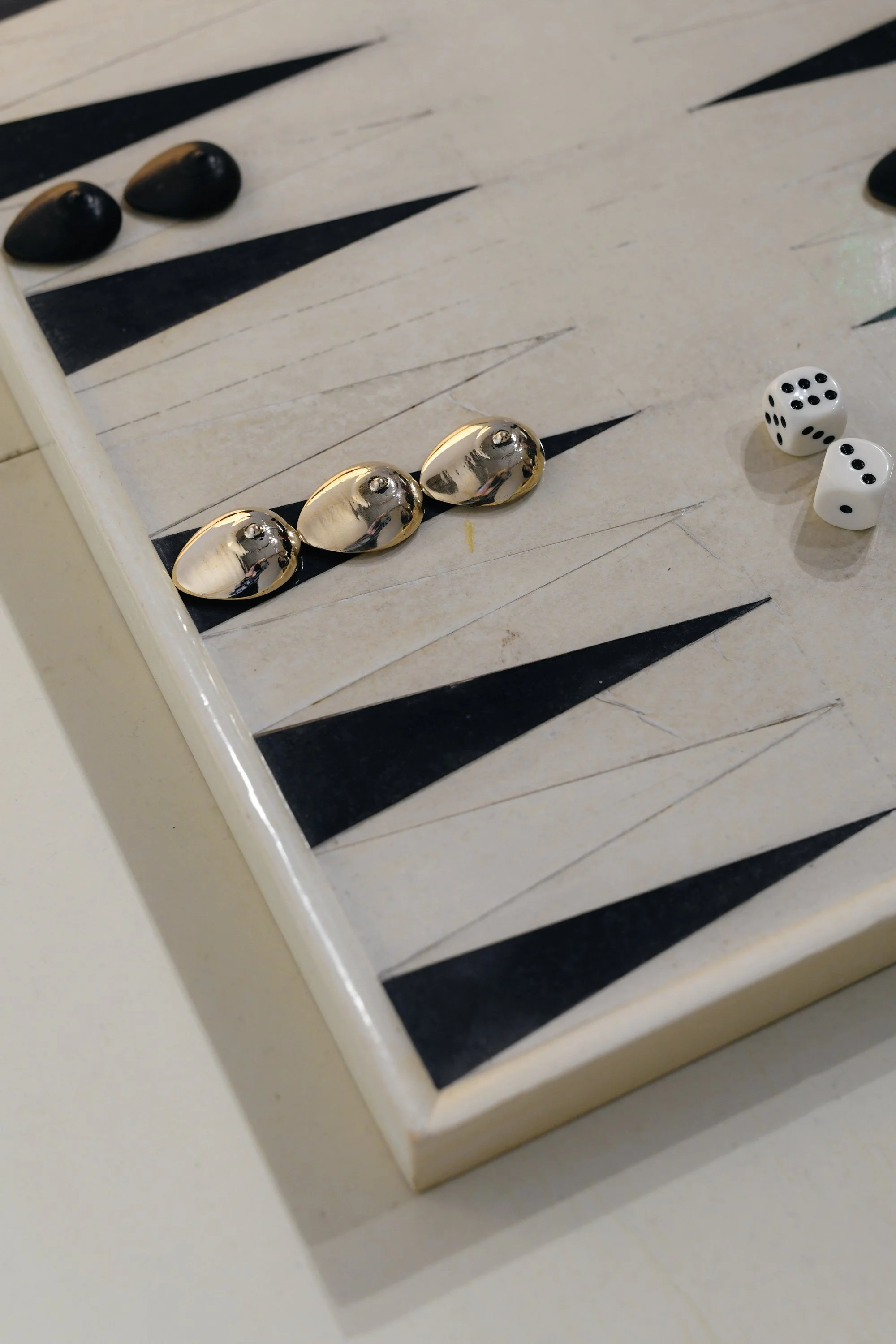
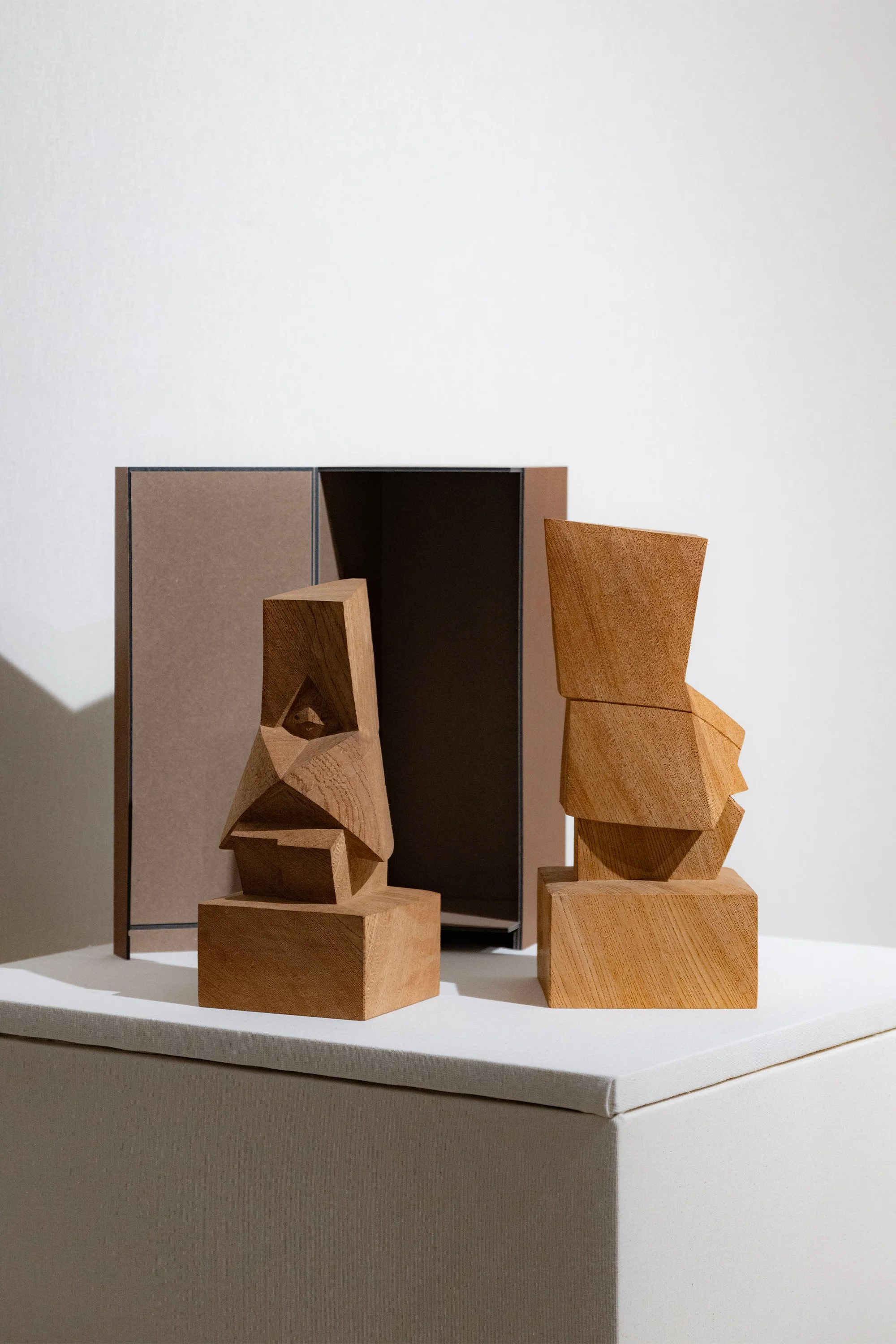
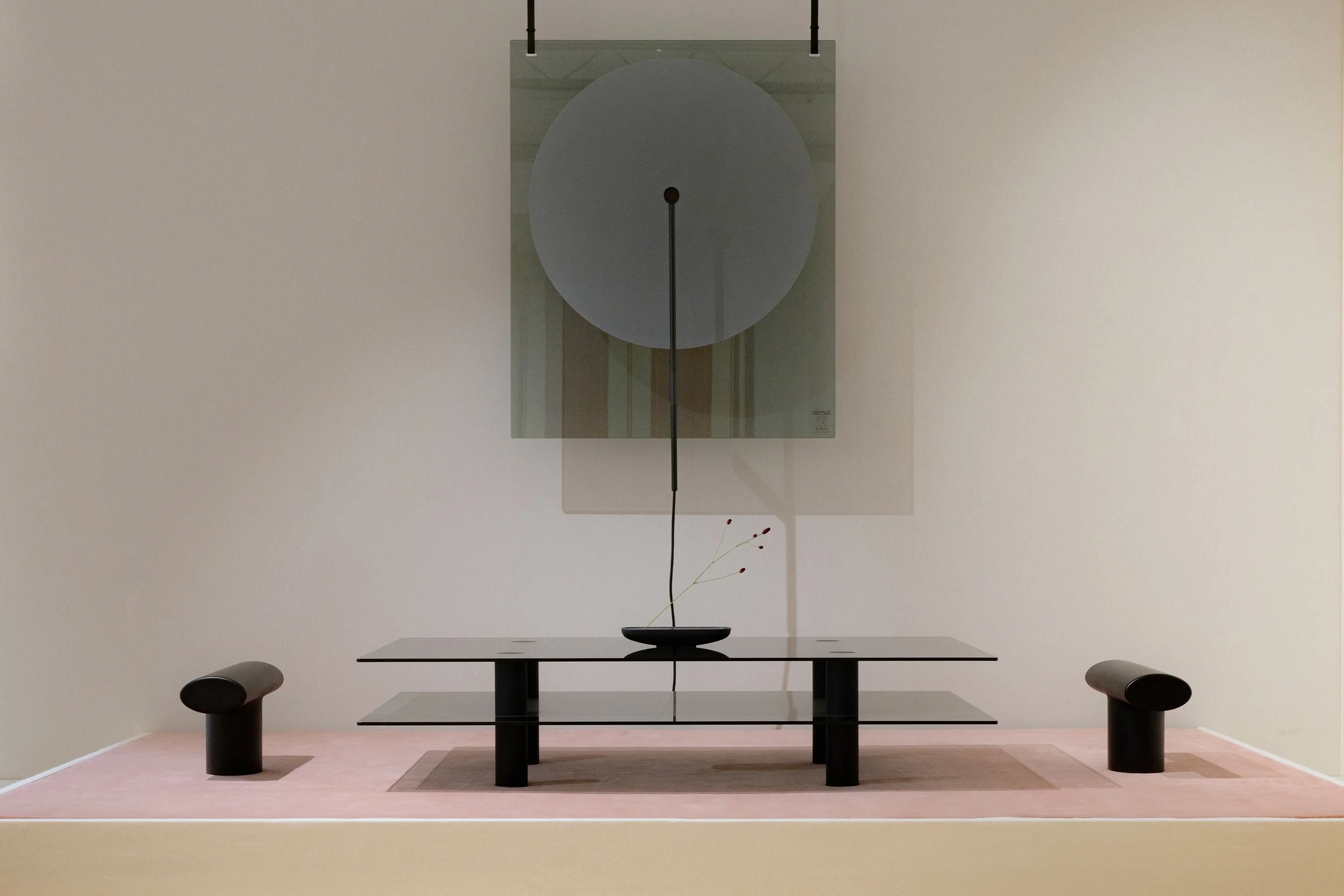
For Paris-based studio ANF Work, scale is less about size than about time and process. Founded by French-Japanese duo Ayumi Yoshida and Timothée Kaplan, the studio fosters long-term collaborations with regional craft workshops across Japan. Its presentation focused on lacquer-ware pieces from Yamanaka — some taking up to six months to produce — as well as a rediscovered craft object that hadn’t been produced for decades. The keyaki, or Zelkova, wood form was first created in 1948 but fell out of production in the 1980s. Kaplan and Yoshida unearthed the technique through local archives before locating the original family craftspeople. ‘We went to the city hall to find who made it originally,’ Kaplan said. ‘Finally we worked with the family — a father and son — to make it again for the first time since the eighties.’
In the gardens where mulberry trees once fed the city’s silk trade, Matter and Shape now wove new threads of continuity, connecting craft, collaboration and innovation as they move between cultures and generations.
Text by Divya Bala
Images courtesy of Matter and Shape