
A Villa in Shenzhen Whose Interiors Take Their Cue From a Different Designer Each Season, from Hans Wegner to Poul Kjærholm
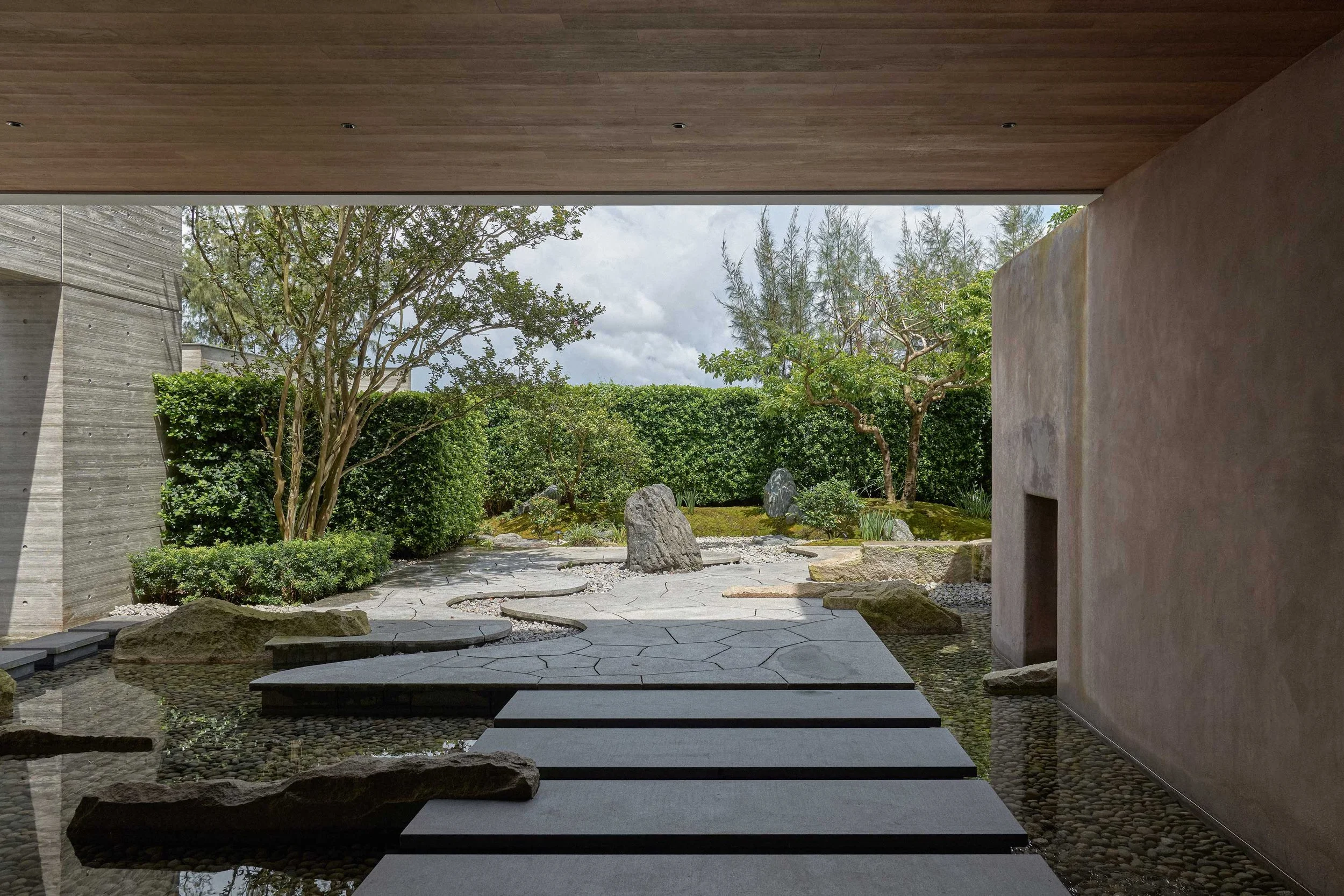
Image by Zhu Hai
With landscaping by July & Partners and rotating furnishings curated by Stream, the retreat functions both as a boutique hotel and an experiential showroom for a select number of guests
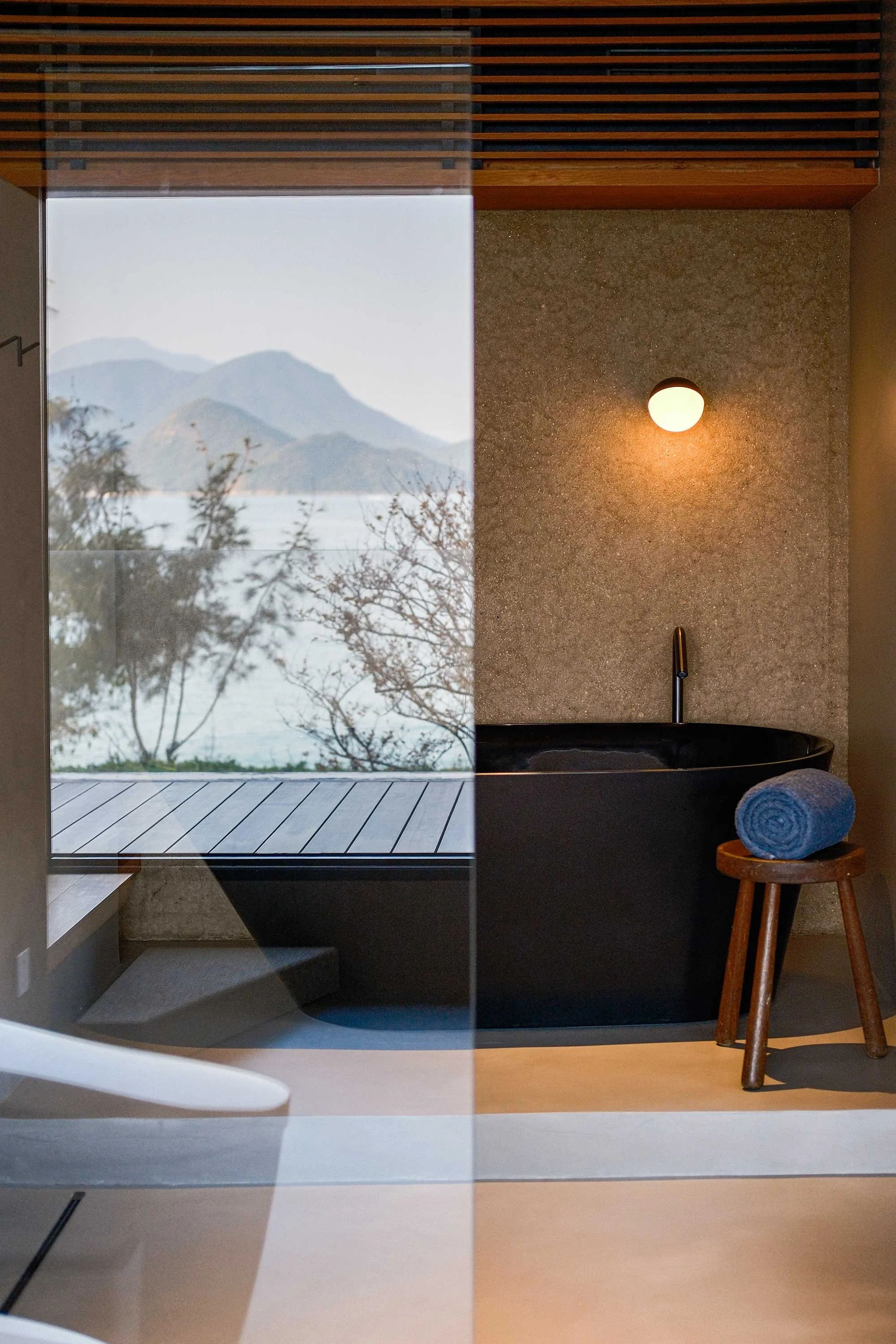
Even just an hour from central Shenzhen, Stream Villa maintains a remarkable sense of refuge, with the architecture drawing directly from the scenery of Mirs Bay that encircles it. Landscaping by July & Partners is key to the project, producing a series of layered experiences rooted in East Asian spatial traditions. ‘The design here makes what already exists more perceptible,’ says founder Heng Kang, adding that this is achieved through a ‘natural balance between stone, water, plants and human movement.’
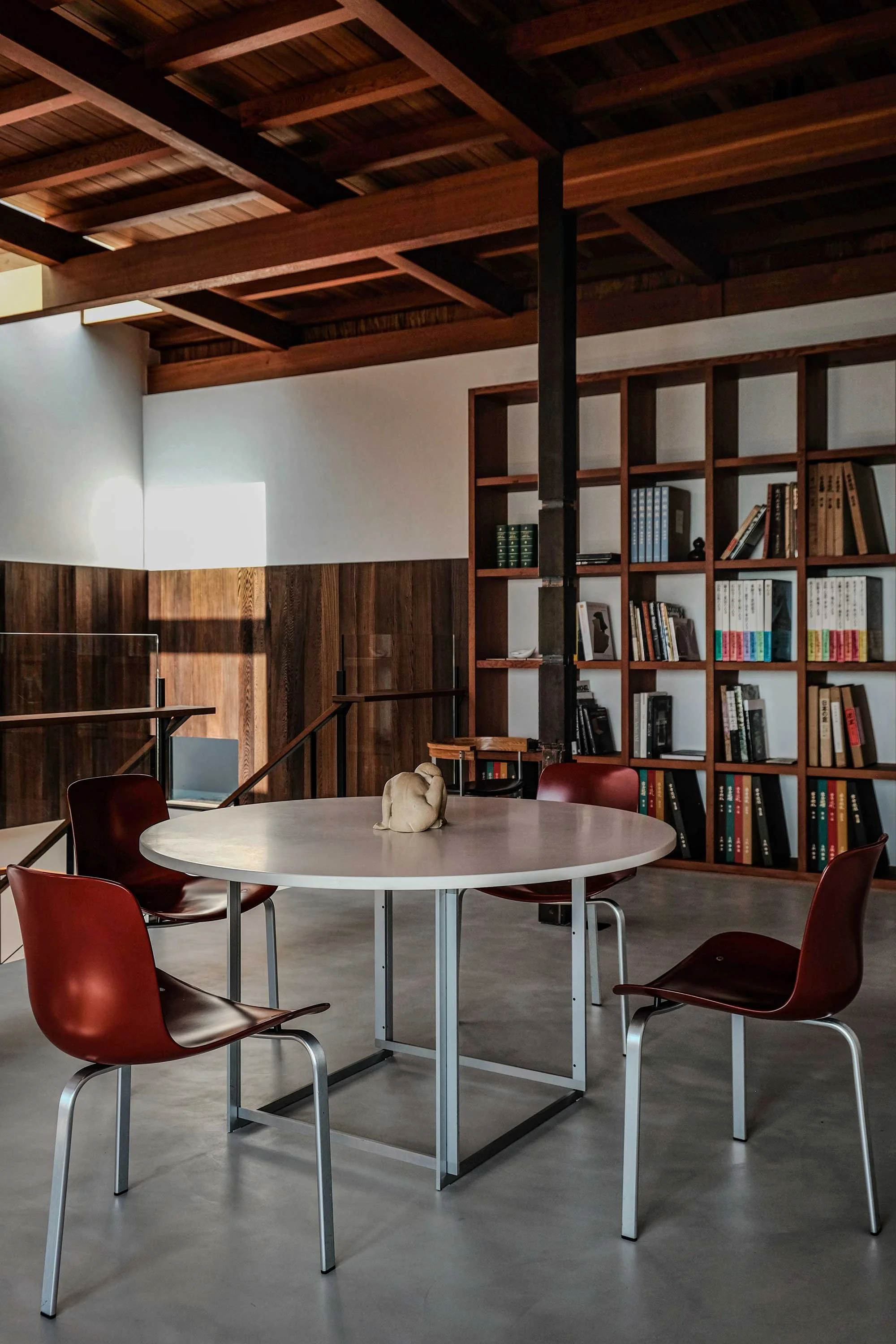
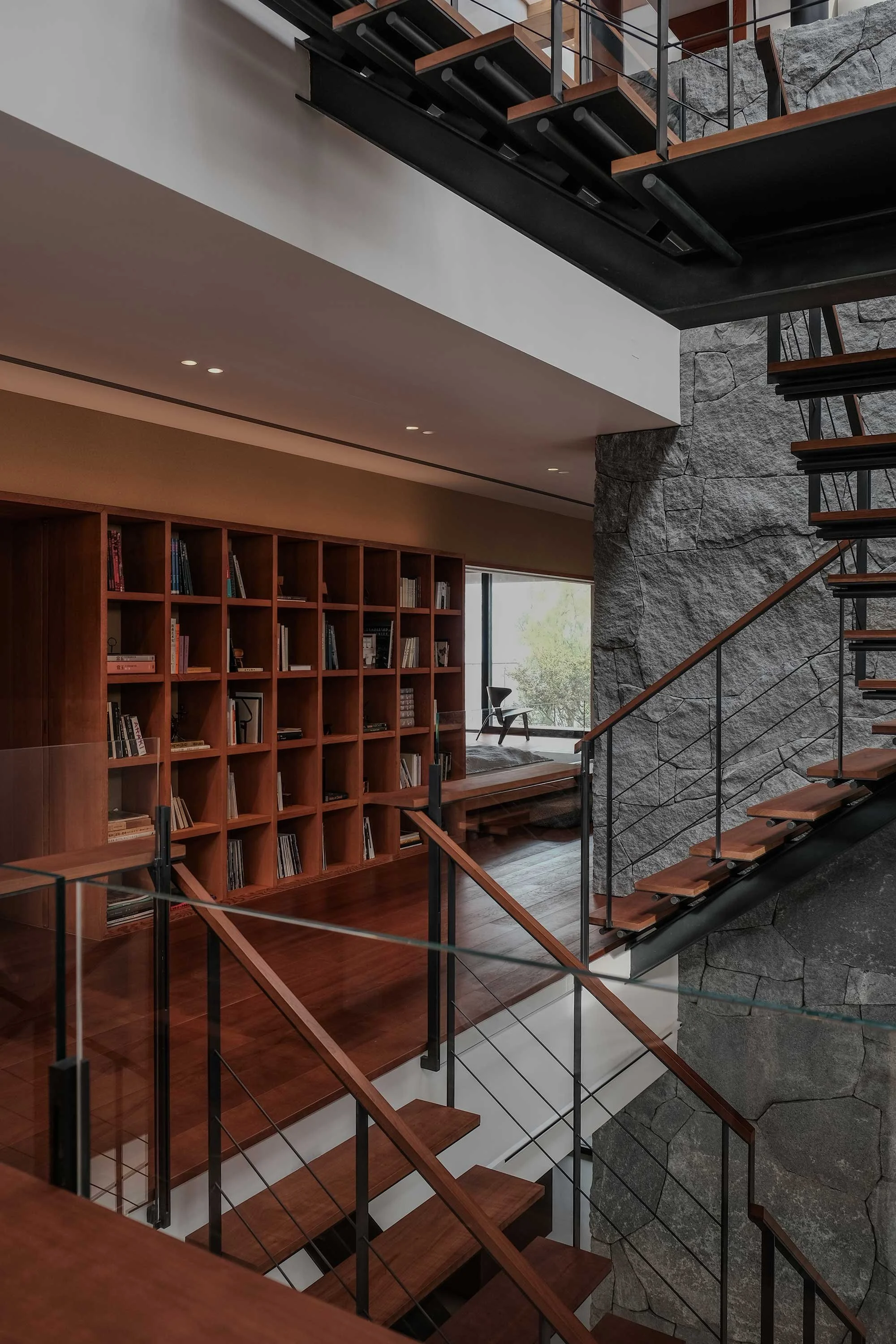
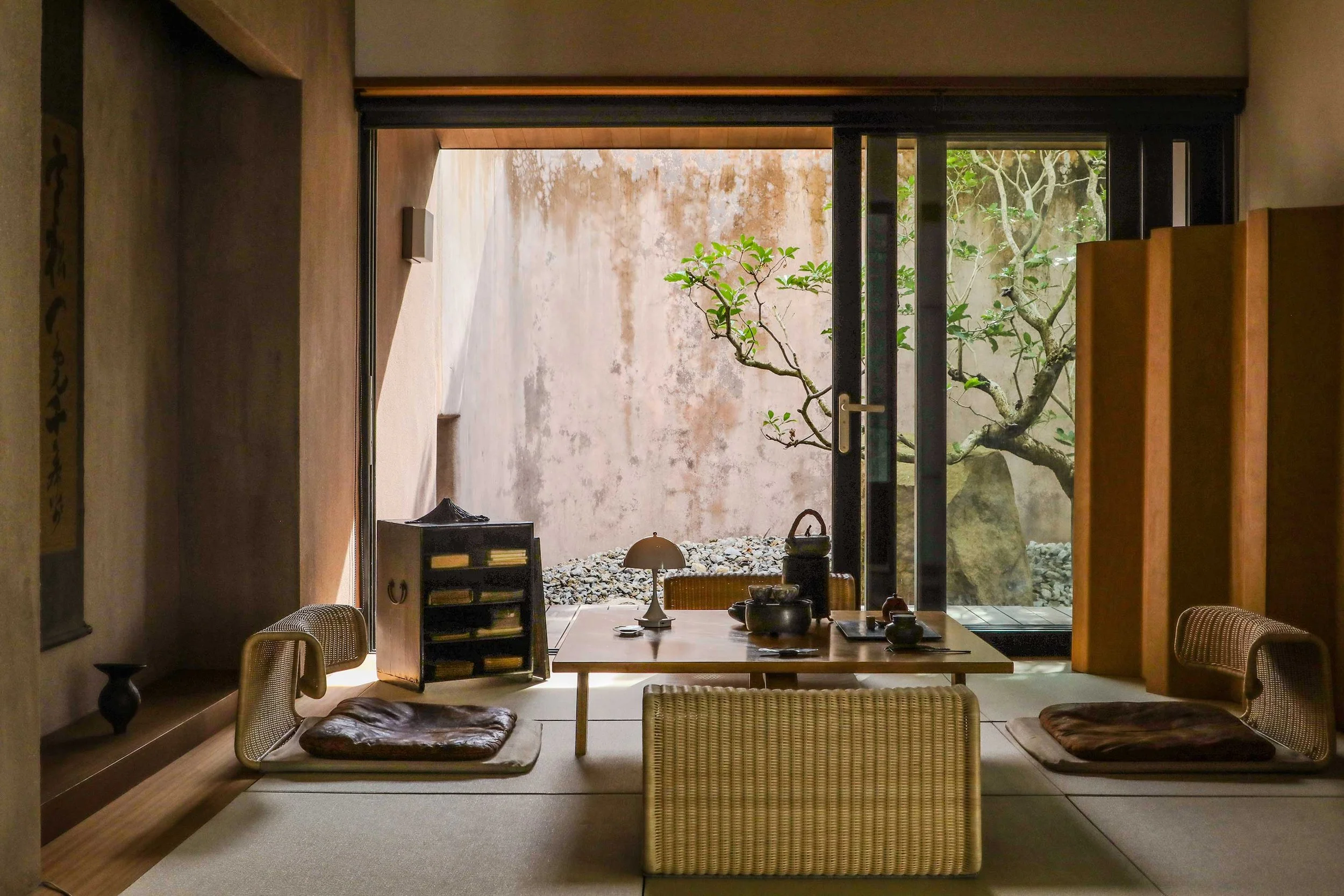
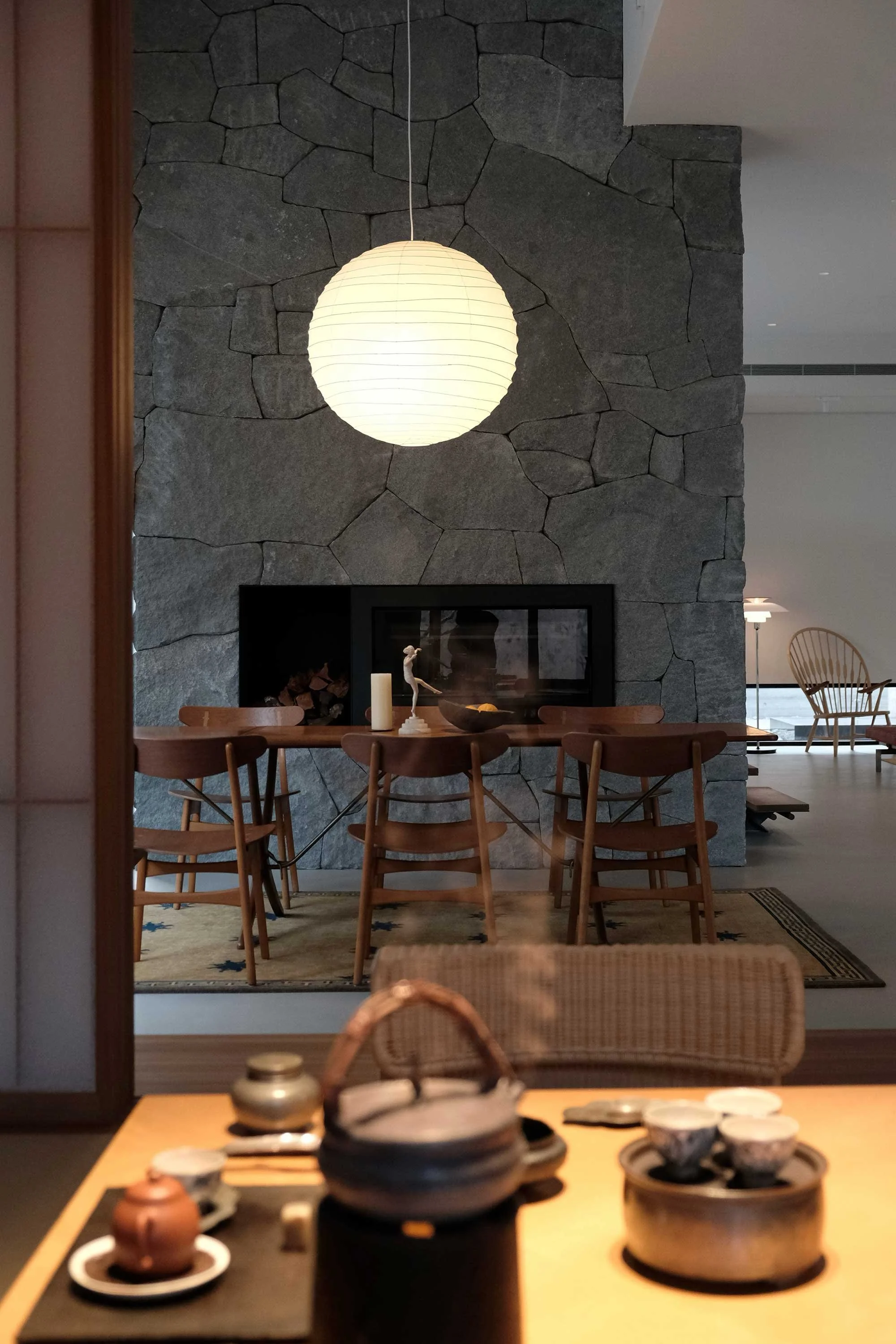
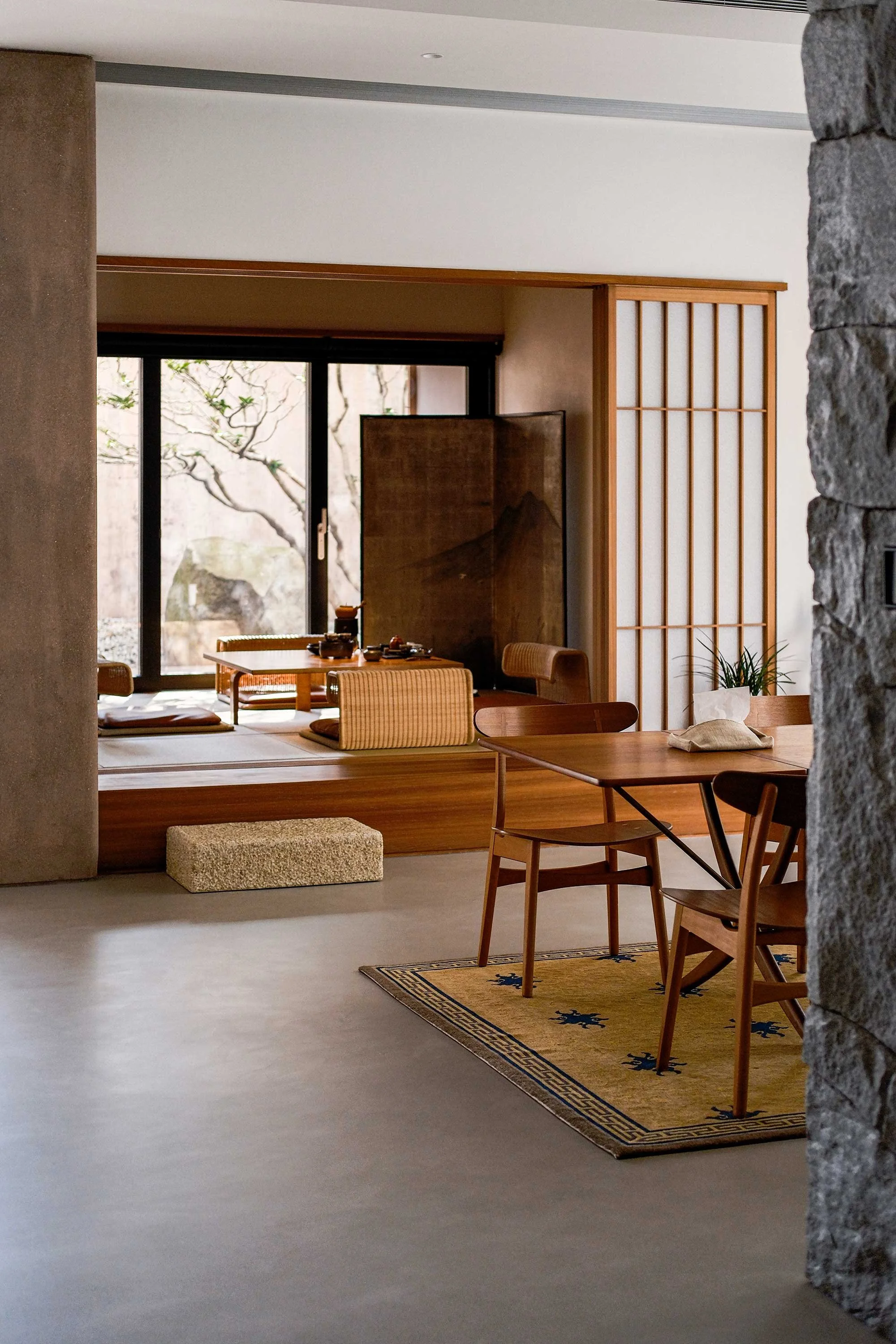
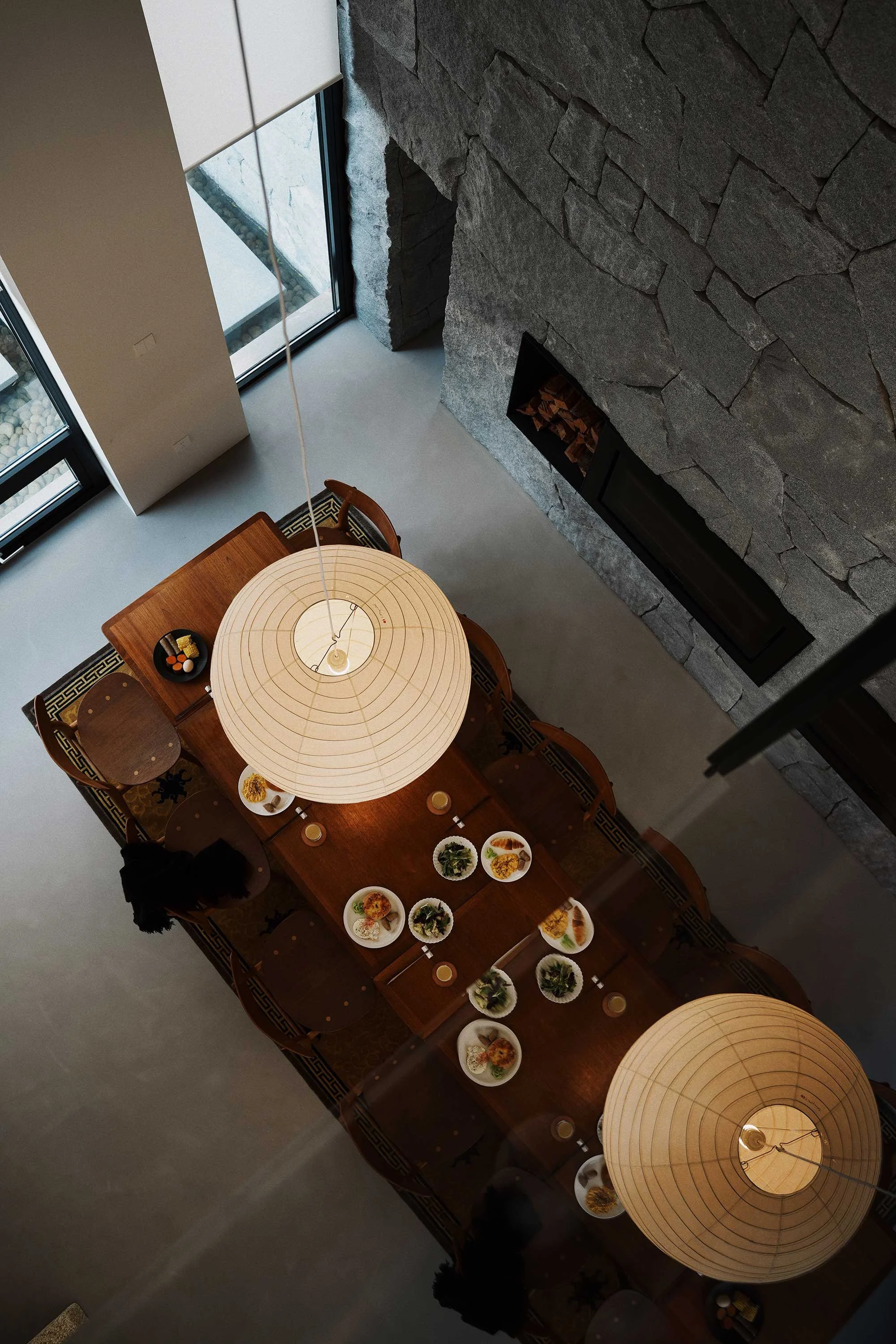
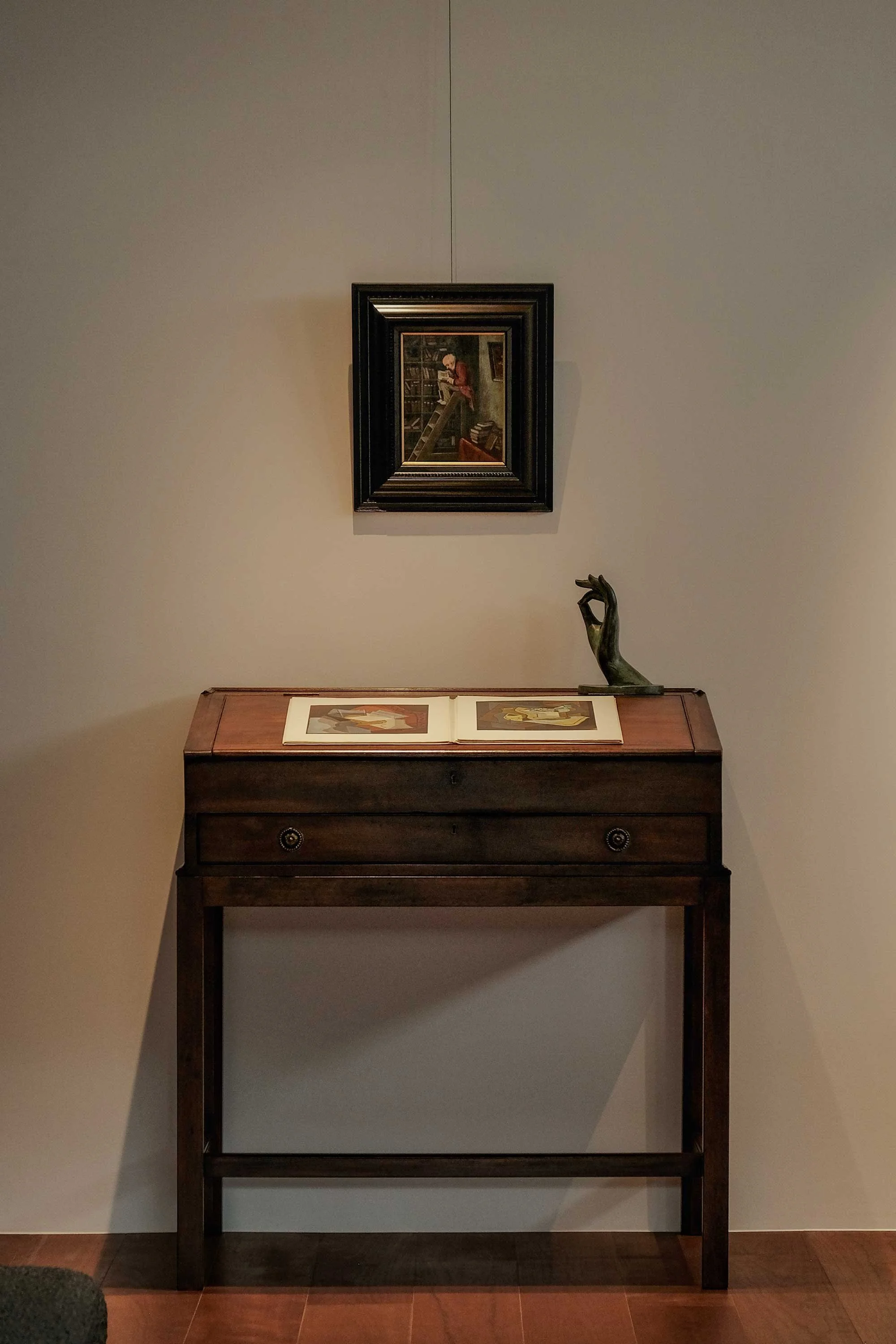
Conceived by Taiwan’s Abraham Architecture & Interior Design, the villa itself juxtaposes tatami rooms with expansive glazing that dissolves the boundary between inside and out. It balances timber frameworks with stone accents, most strikingly the rough-hewn stone wall framing the central staircase, a scene completed by a lone ceramic work by Kazunori Hamana. The decor by Stream is a rotating curation that functions as part gallery, part design retreat for the brand’s Danish mid-century modern holdings in China and its forays into contemporary art and antiques. These include collectibles spanning the 17th to 19th centuries, alongside works by the likes of Ryota Yagi, Robert Bosisio and Axel Kasseböhmer. Each season, the interiors centre on a single designer, with artworks and even the books in the library changing to create an atmosphere aligned with the furniture. Hans Wegner was the focus during my visit, preceded by Poul Kjærholm, with future editions planned for Børge Mogensen, Finn Juhl and others.
Images courtesy of Stream
Images courtesy of Stream
Beyond living with the design, the focus is to offer select clients a haven within one of the world’s densest regions. Restorative activities form part of the programme. I timed my tour so as not to interfere with a multi-day ikebana workshop led by Japanese master Yuji Ueno. The students were out on a morning hike in the mountains collecting stems and flowers, but the arrangements from the previous day gave the home an inhabited quality.
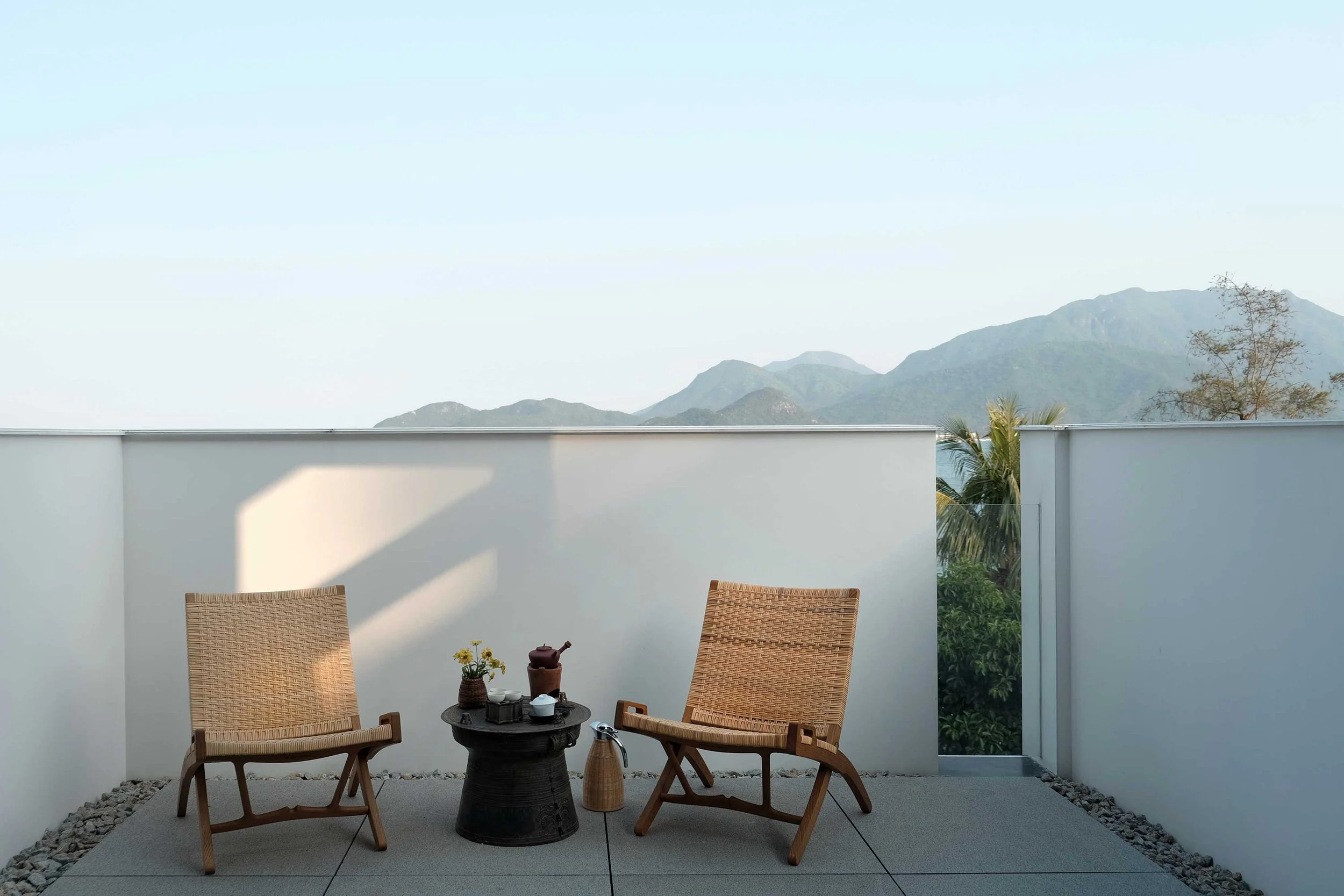
Kang also paid close attention to the interiors and each floor’s relationship to the landscape. The ground floor opens towards the garden, carrying only a subtle sense of the beach; the sea is not fully revealed. Above, where the bedrooms are located, landscaping also follows a more inward-looking logic, integrating low apertures opening onto rock and gravel courts and an intimate moss courtyard. From the top floor, however, the view fully opens, maximised by a reflective infinity pool that merges the sea horizon with the sky. ‘It comes from Guo Xi’s idea that water “wants to go far”,’ says Kang, citing the Northern Song dynasty landscape painter. He doesn’t see the pool as an ornamental element, but as ‘the culmination of the entire spatial sequence, where one shifts from moving through the garden to contemplating nature on a much larger scale.’ As a further influences on his work, Kang mentions the Japanese monk and garden designer Shunmyō Masuno, whose spatial sensibility he absorbed as a pupil, including, as he puts it, ‘a way of projecting nature’s living energy’.
Images courtesy of Stream
Images courtesy of Stream
Images courtesy of Stream
The villa’s ground-level garden unfolds through sequences of stone, gravel and water compositions, with planting reduced to just a few species to soften edges and control sightlines. ‘We eliminated any extraneous elements that might disrupt perception,’ Kang explains. ‘We also avoided explicit cultural symbols, retaining only the most abstract mountain and water imagery.’ Free from a fixed axis, the garden invites wandering through its courts, the tempo slowed by the elements themselves to create the conditions for something Kang sees as central to the experience: ‘Contemplation is simply the most natural response when a person encounters a garden.’
Text by Tomás Pinheiro
Images courtesy of Stream and by Zhu Hai, courtesy of July & Partners
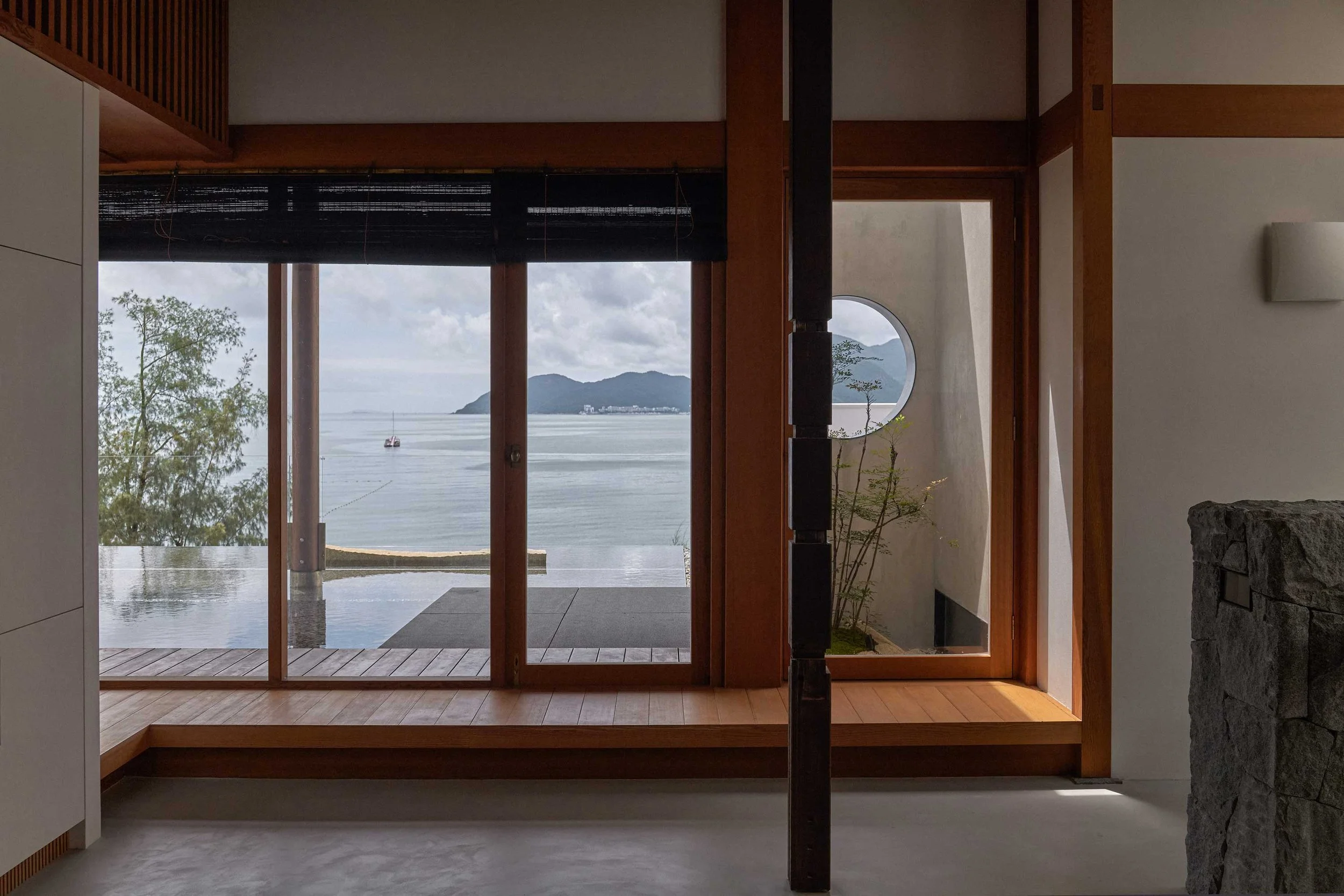
Image by Zhu Hai
Images courtesy of Stream
Images courtesy of Stream
Images courtesy of Stream
Images courtesy of Stream
Images courtesy of Stream
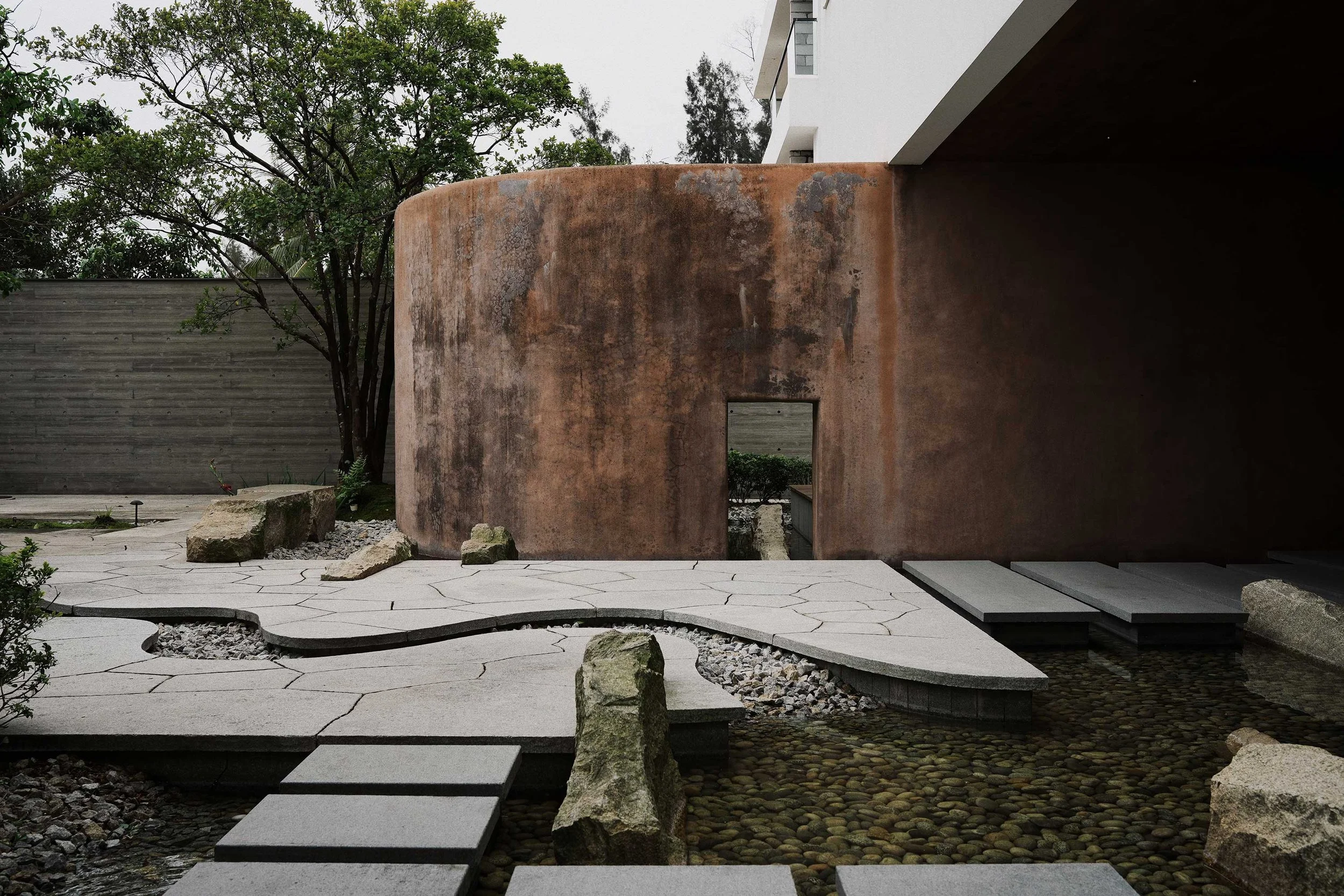
Images courtesy of July & Partners
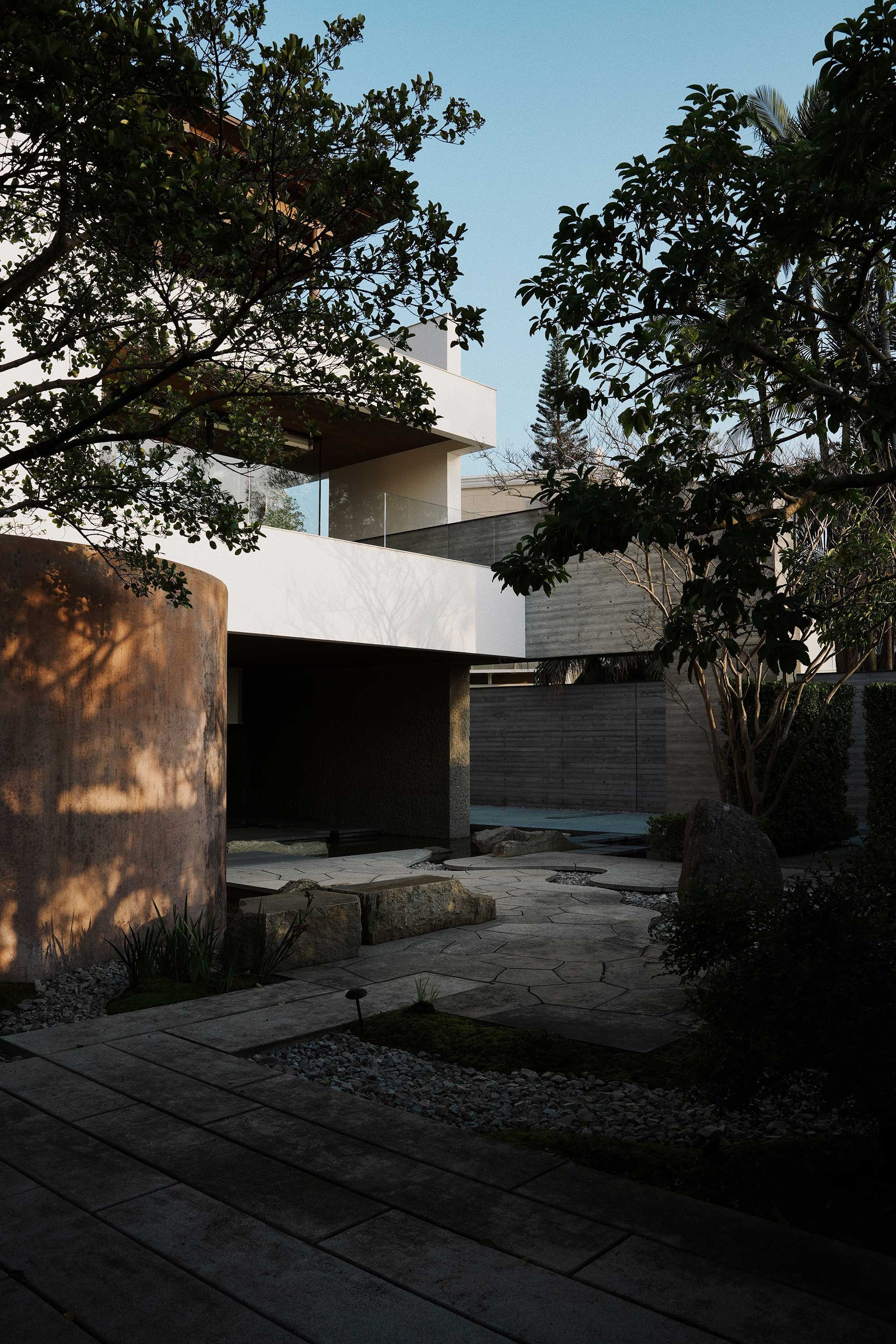
Images courtesy of July & Partners
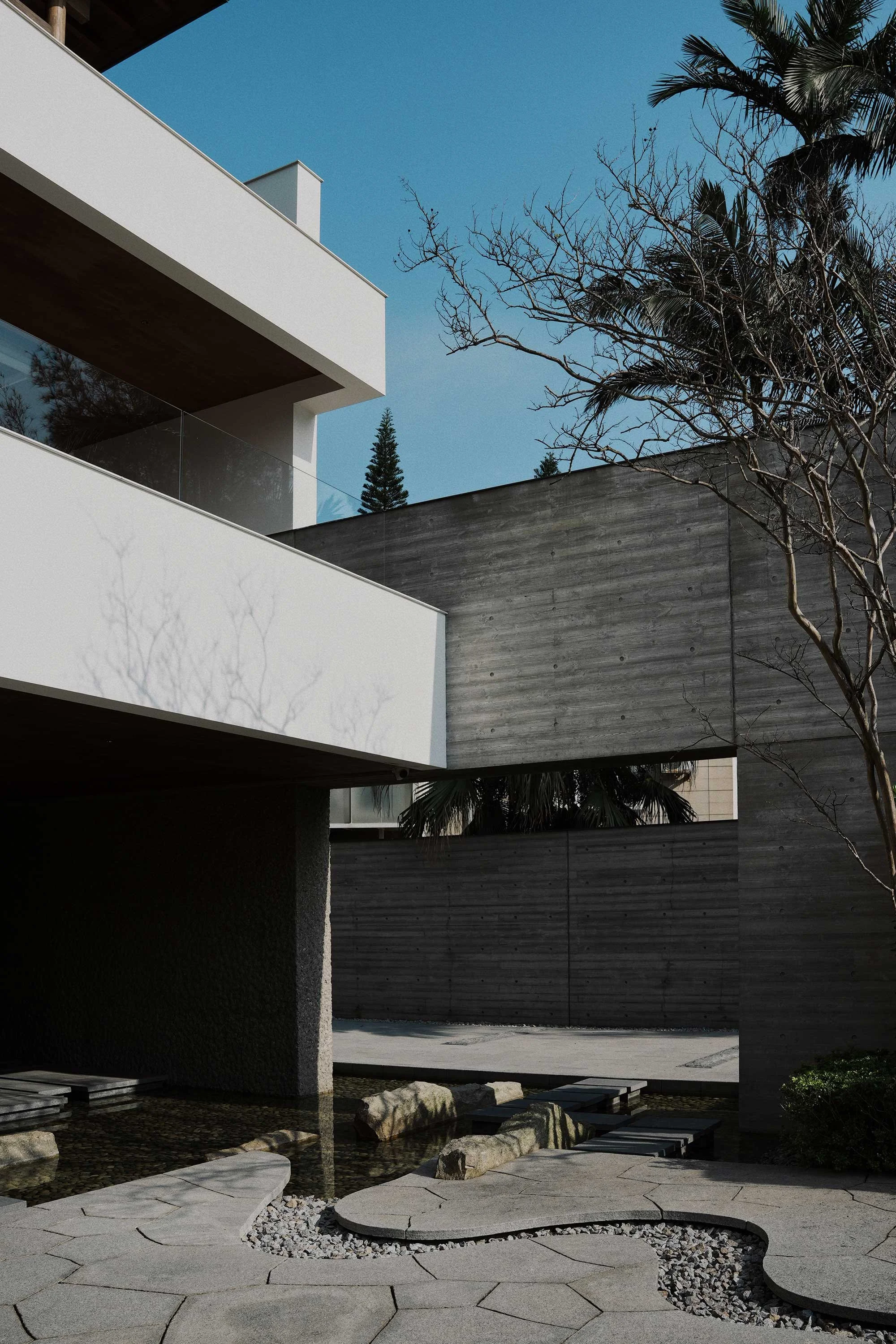
Images courtesy of July & Partners