New Zealand Sculptor Isabella Loudon Reimagines Concrete, Found Objects and Spatial Experiences
The young artist is already building a compelling body of work that combines concrete with other materials from steel to textiles, creating installations that speak to an architectural approach
A conversation with New Zealand sculptor Isabella Loudon is an engaging, exploratory journey. Unguarded and unpretentious, she doesn’t if or um, or falter. Perhaps this is reflective of the agility that her primary medium commands. Working with concrete is unpredictable and demanding, physically, mentally and emotionally.
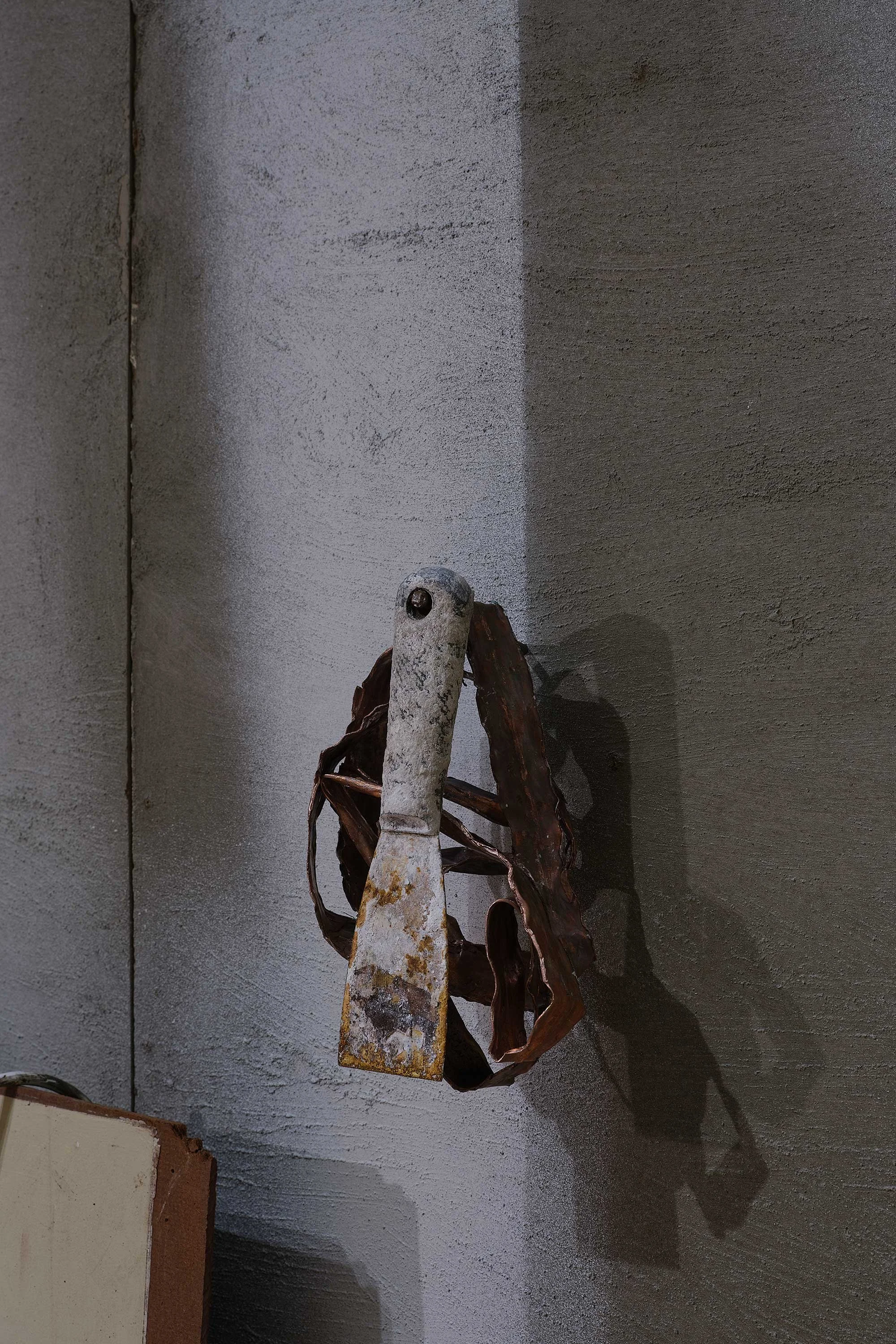
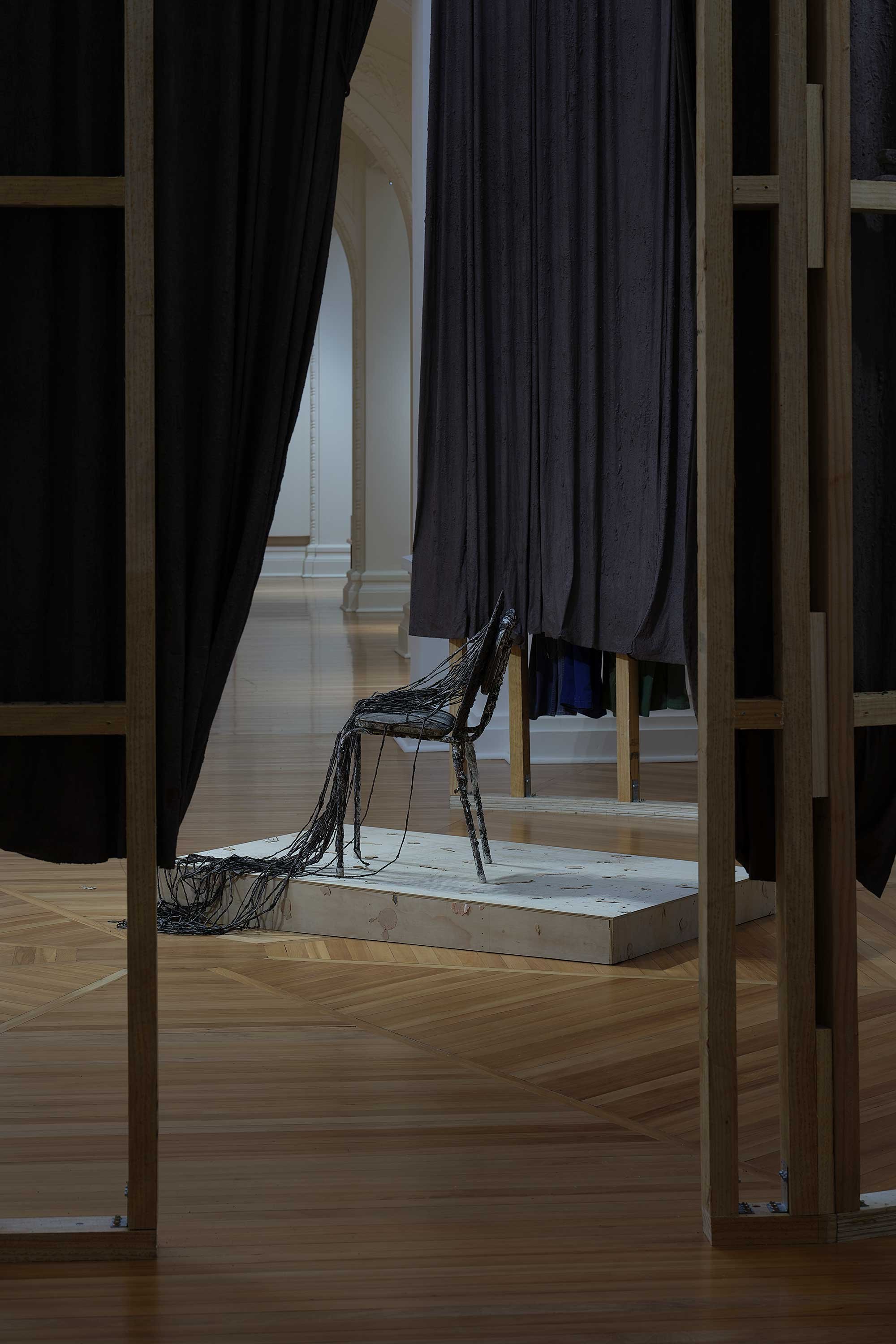
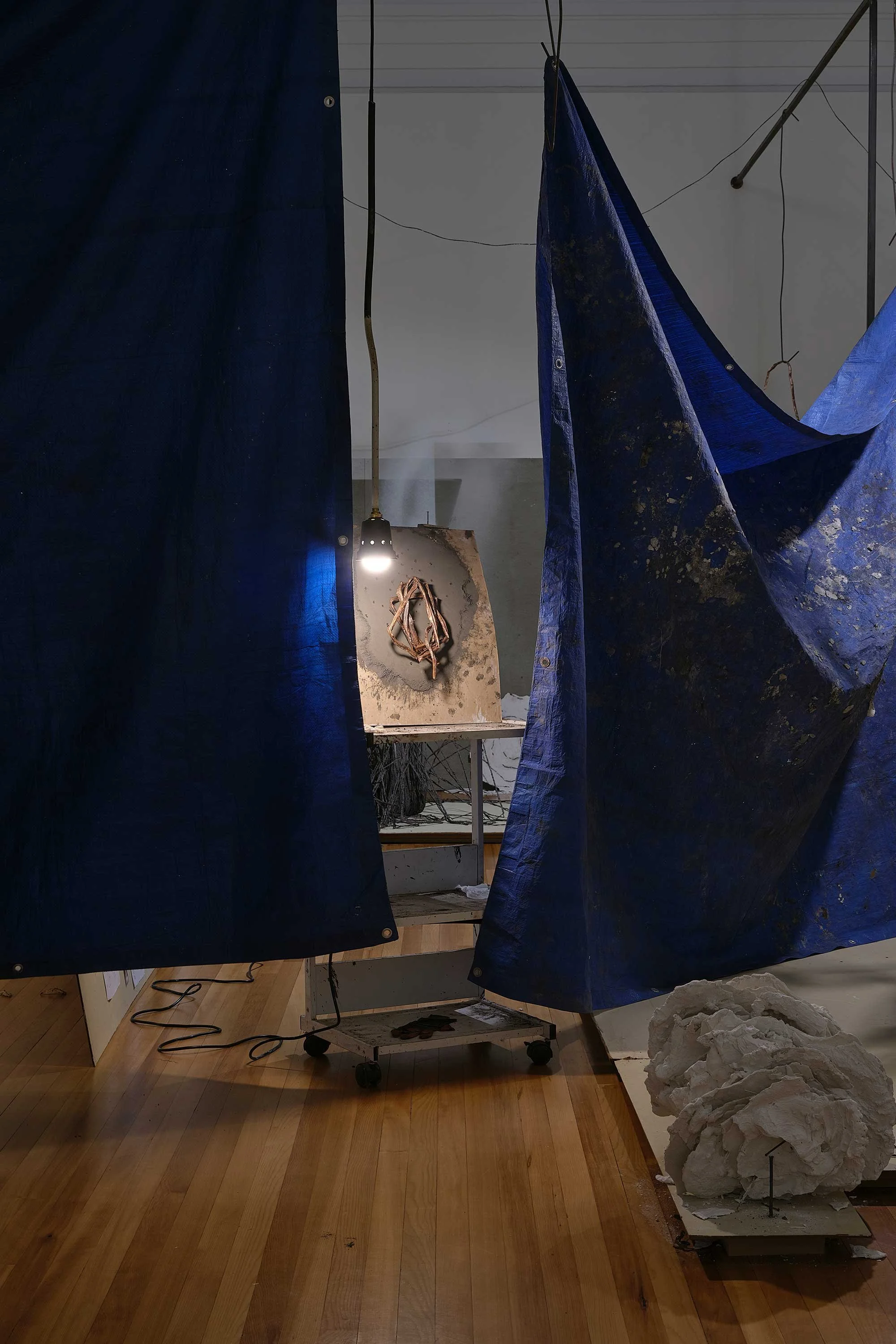
That concrete sets is a known outcome, but what transpires in between cannot be foreseen. ‘You’ve got to work with it in the given moment,’ says Loudon, who renders outcomes that appear to be anything but concrete. As fabric and found objects interact with the slurry, gravity weighs in and what settles into place is cured into poetic and perplexing outcomes. Imbued with earthy pigments, the results may appear to be as robust as metal, but a closer look rewards curiosity with a more delicate, often fragile and brittle nature.
Childhood experiences on building sites with her architect mother worked their way into tha artist’s subconscious. Particularly drawn to concrete buildings, she found that the material presented itself as a medium in her final year of a Bachelor of Fine Arts at Massey University. For a student it was cheap and readily available, but it was the challenges it posed that captured her imagination.
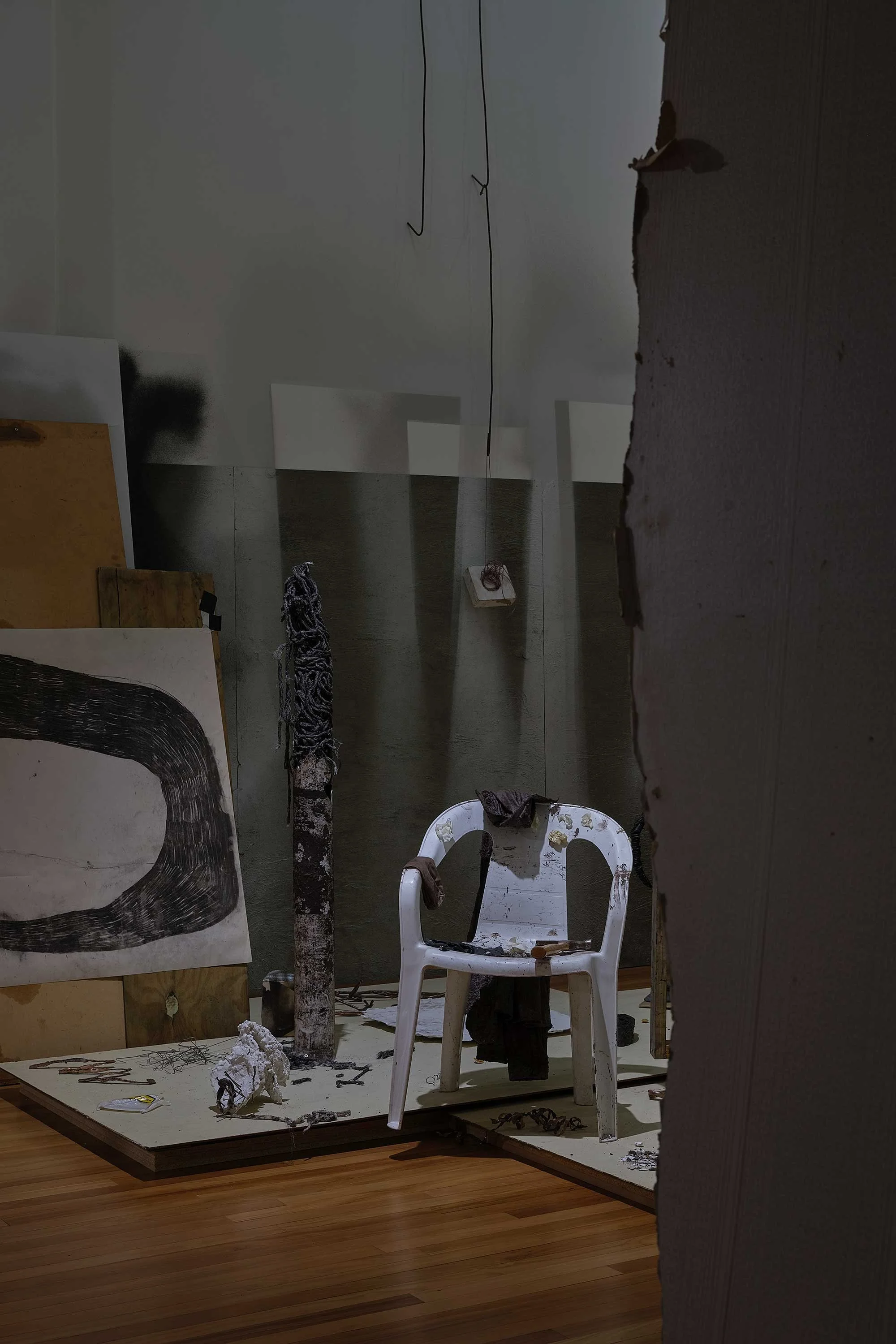
After graduating in 2016, Loudon developed a relationship with concrete that significantly informed her early practice, though other materials and themes play their parts. Site-specific installations see the gallery space itself become an informative layer: for her first in-situ work in 2019, at the prestigious City Gallery in Wellington, she engaged with the space and its limitations, removing ceiling panels to accommodate her response and turning the gallery into her studio. Working at scale in a public space was a bold move, but one that’s proving defining. ‘I keep working at a larger scale — I like the pressure,’ she says. ‘When I'm making the work, I don't always know the final outcome because so many factors come into play.’
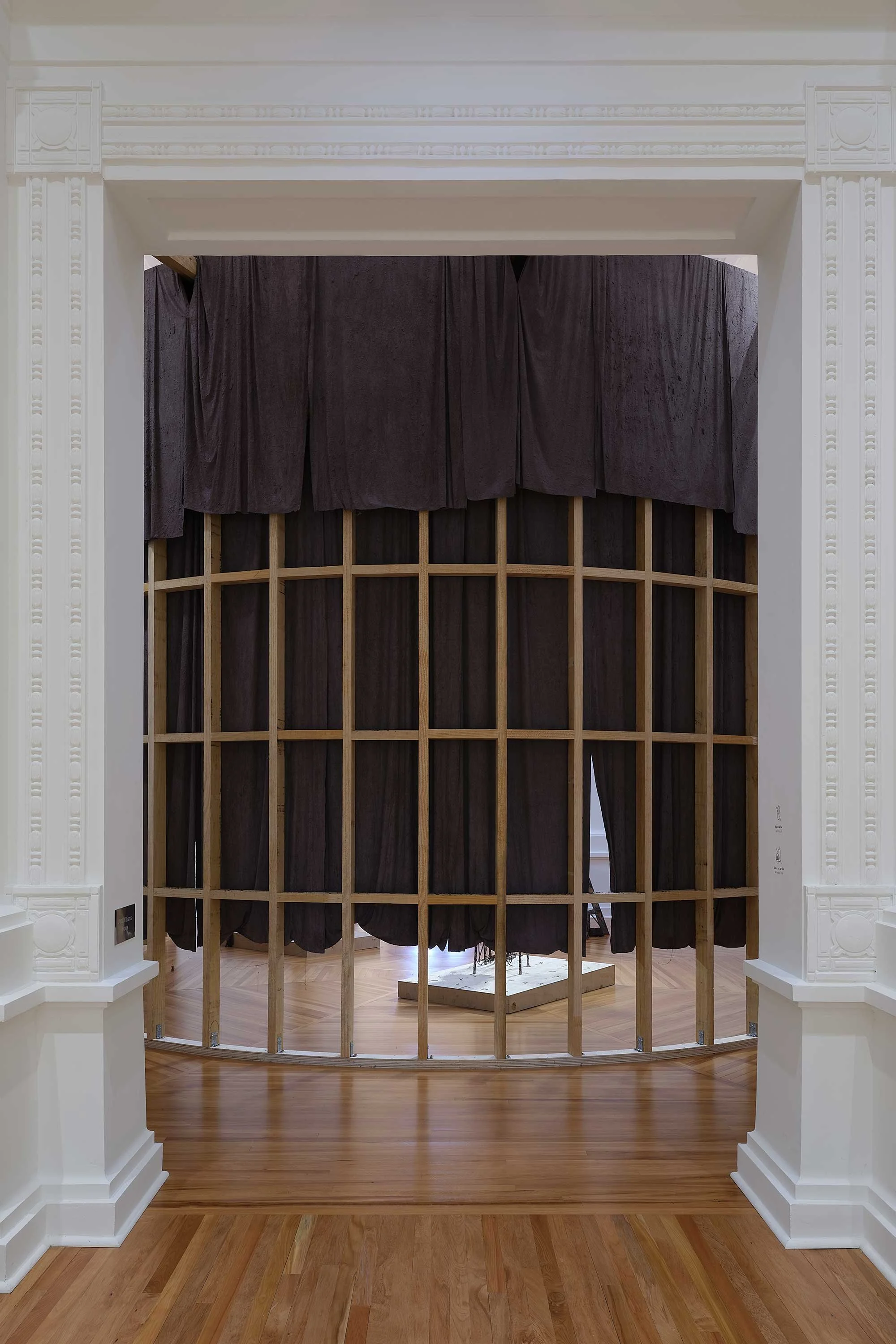
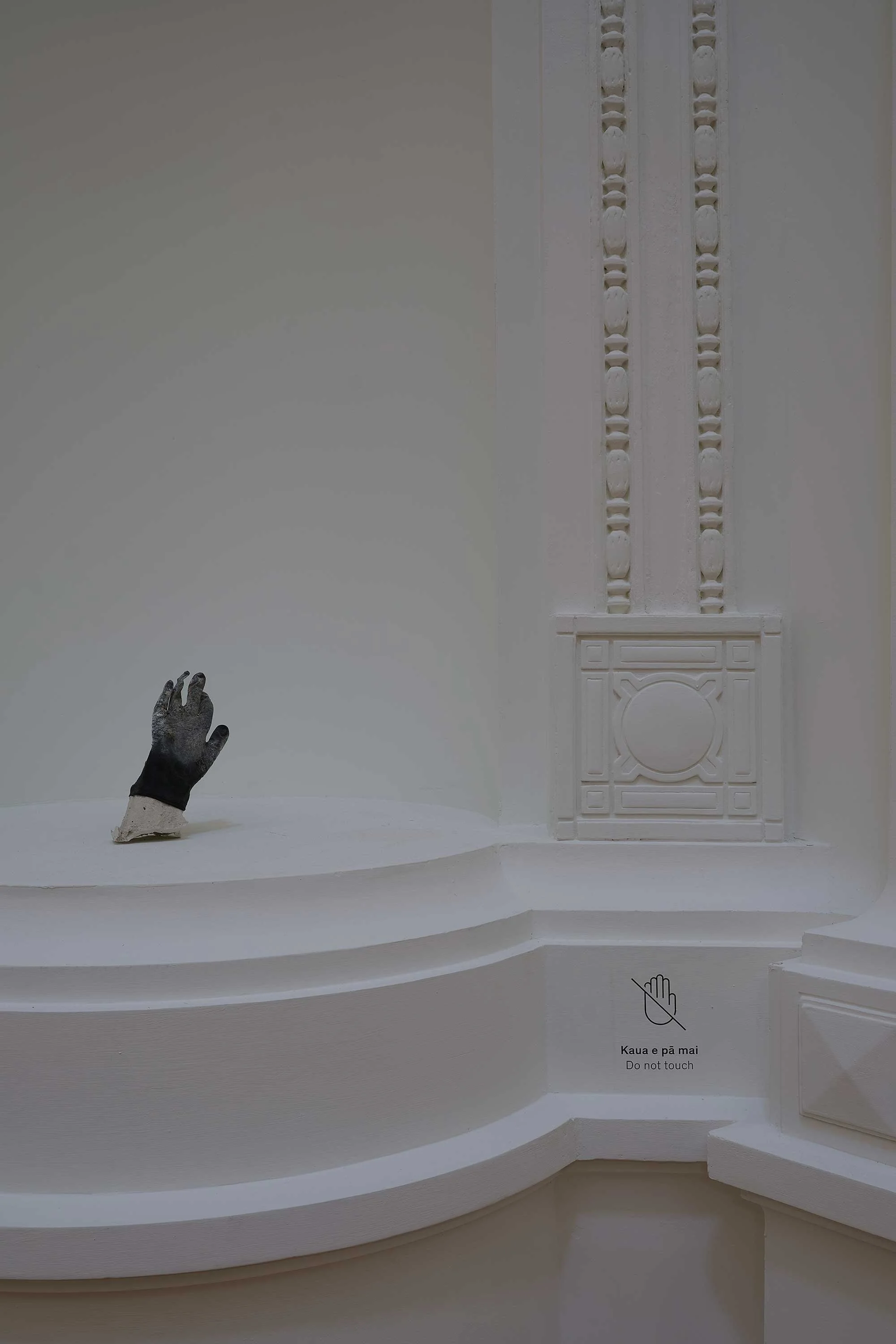
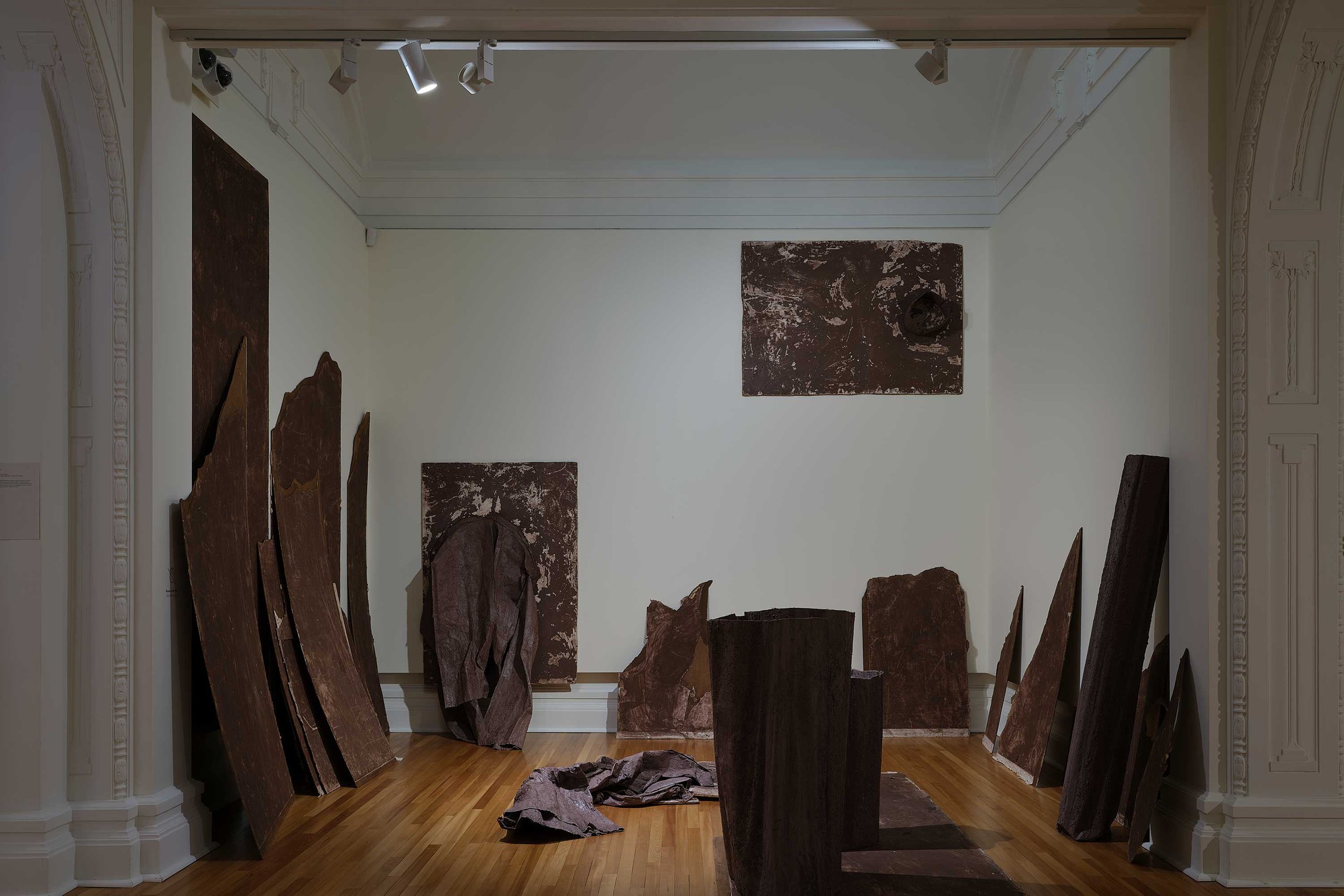
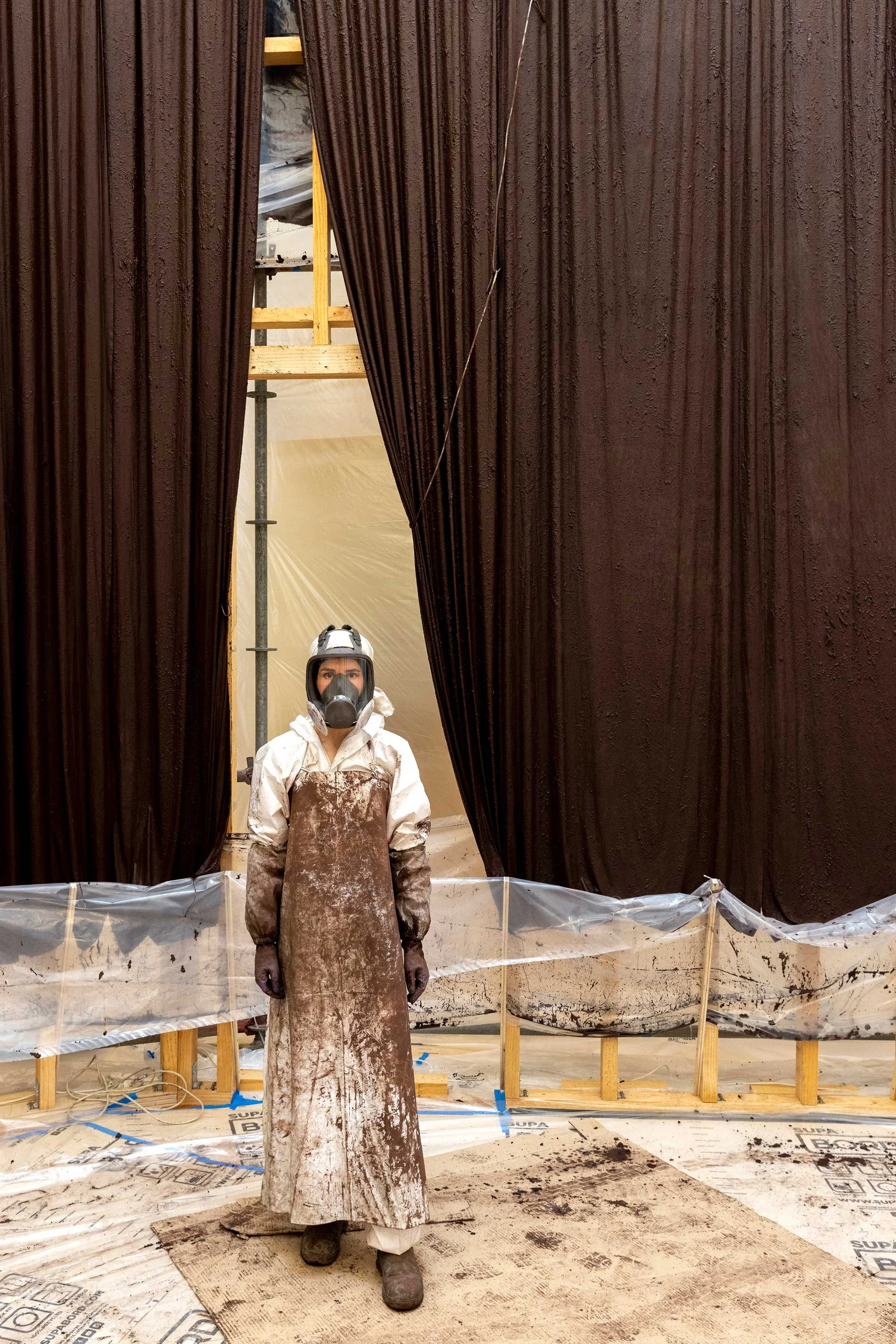
The artist’s current exhibition, Everything might spill, is another site-responsive intervention, this time in a heritage space at Te Whare O Rehua Sarjeant Gallery in Whanganui, which opened in 1919. ‘It was a challenging building for me to work with because it’s so precious and I'm generally quite messy,’ says Loudon, who works completely covered to protect herself from the caustic properties of concrete.
‘I think about the building and space as being part of the work. I think about everything talking to each other,’ she says. Everything Might Spill disrupts the passive flow of visitors and encourages ‘full-body awareness and active navigation of the exhibition’. Without a clear sense of resolution, there’s the potential that everything might in fact spill.
A decade on from graduating, Loudon has not only mixed a lot of concrete but is developing a prominent career. Excluding 2025, she has created a solo exhibition every year since 2017. And since 2022, every year has yielded a prestigious award or residency. This year, Loudon received an Arts Foundation Springboard Award, which provides funding and a mentor in Peter Robinson, one of the country’s leading contemporary artists.
In October, Whangārei Art Museum will host Loudon’s first collaborative exhibition, as she pairs up with her friend, well-established painter Séraphine Pick. ‘We’re really interested in sharing ideas,’ she says, ‘building off each other and seeing where it goes.’
Text by Jo Bates
Images by Sam Hartnett