Across River Valleys and Mountain Passes, Sā Ladakh Biennale Proposes a New Model to the Art Show
More than most, the event is deeply rooted in local traditions both tangible and intangible, and grapples with the question of what it leaves behind
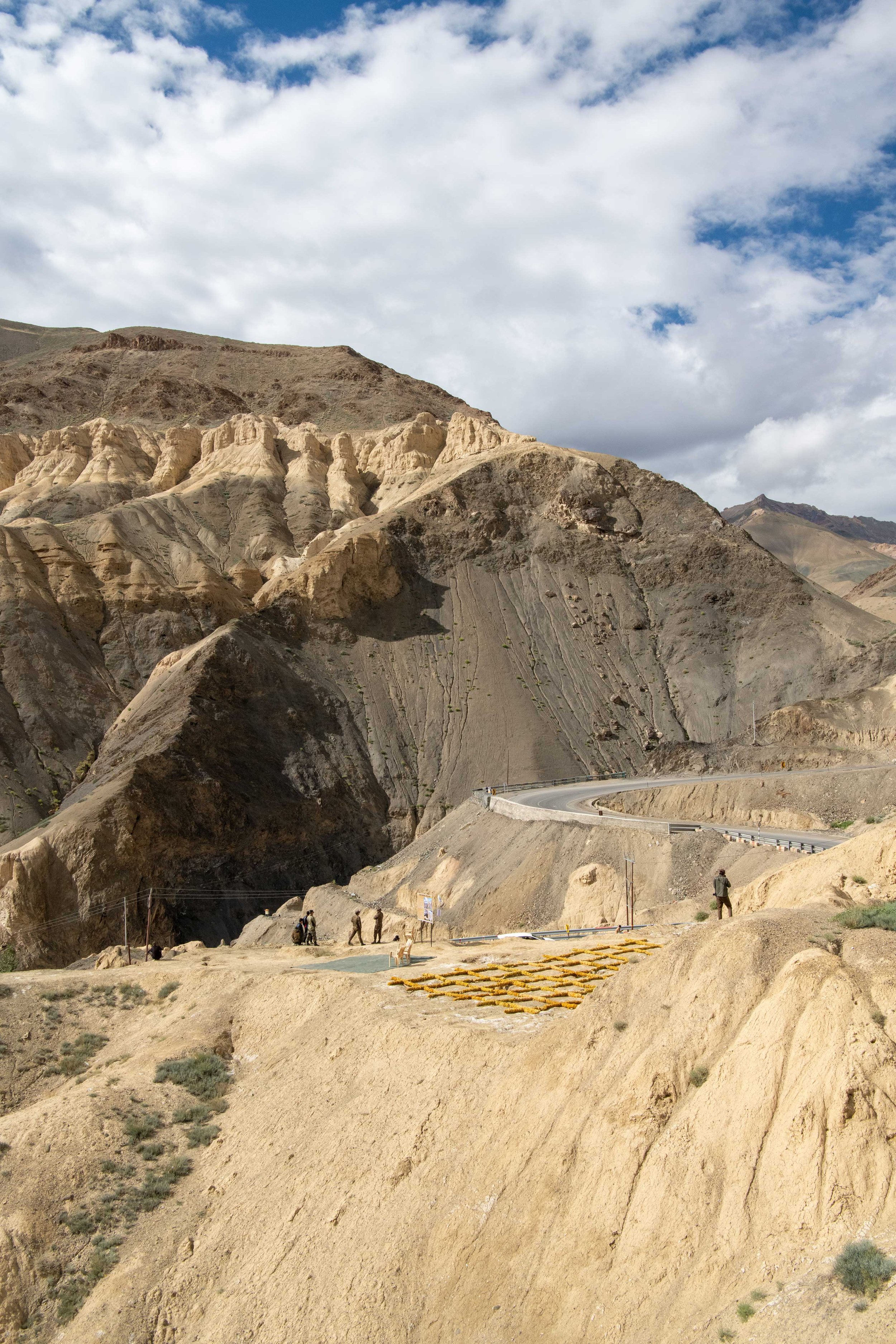
At more than 3,000 metres above sea level, the territory of Ladakh has historically had little institutional contemporary art presence, but the remote region has always held extraordinarily rich cultures — and a relationship between art and landscape has always been cultivated by its people. A recent initiative, Sā Ladakh Biennale, brings contemporary practices into the continuum of making and storytelling, turning its focus to enriching local social ecosystems through multidisciplinary practices of land art.
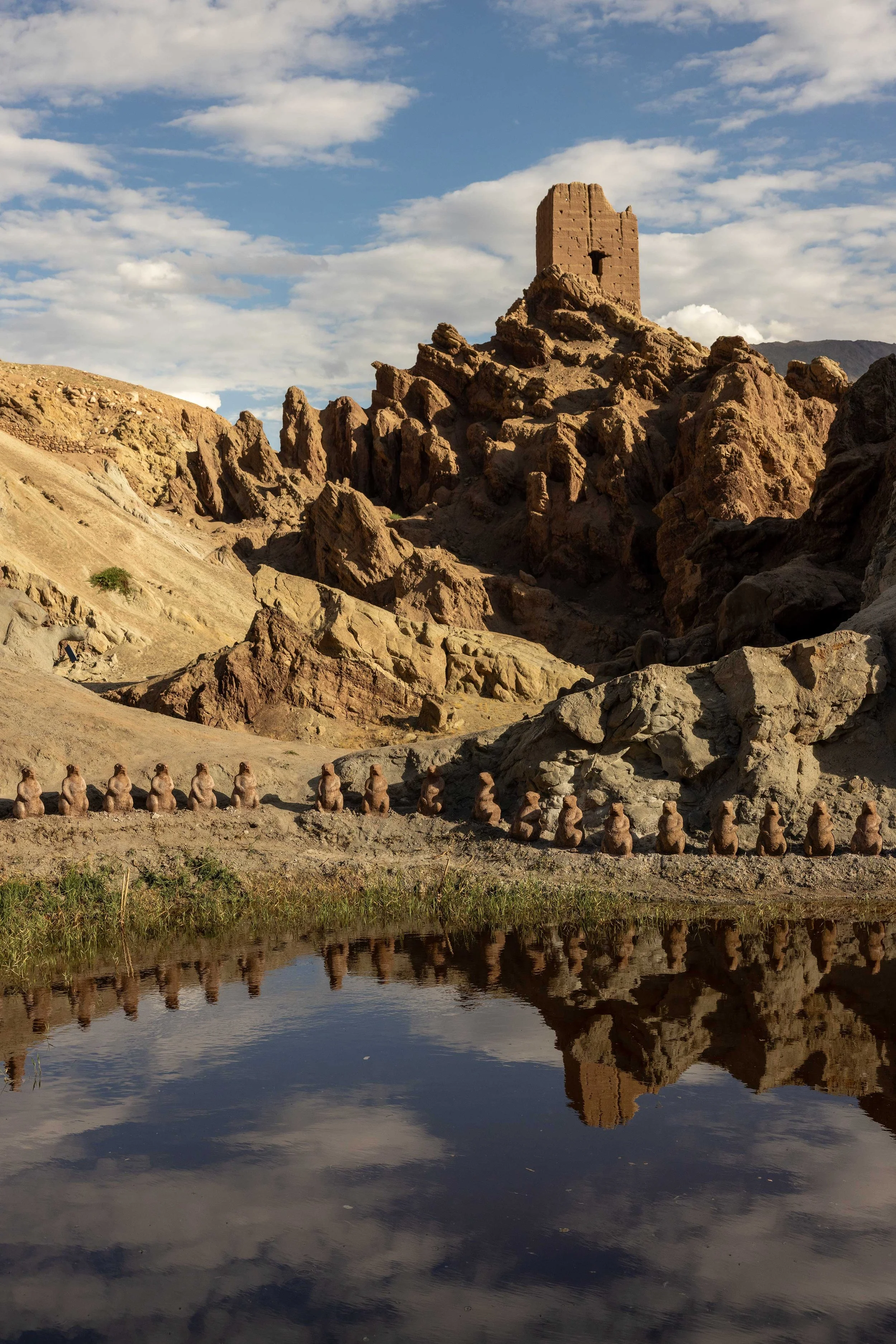
Raki Nikahetiya, co-founder alongside Sagardeep Singh and Tenzin Jamyang, explains that Sā Ladakh (sā meaning ‘soil’ in Ladakhi) began with a question: is it possible to leave something positive behind without extracting? It’s a modest premise for an initiative of such striking visual and geographic scale; billed as ‘the world’s highest art biennale’, the event is staged against some of the Himalayas’ most dramatic landscapes. The journey takes in eight sites across a 230-kilometre corridor from Leh’s Old Town up towards Kargil, embedding works by 19 mostly Ladakhi artists into winding villages, mountain passes, religious relics and river valleys along the way. ‘We see the Biennale as an art pilgrimage,’ says associate curator Tsering Motup Siddho.
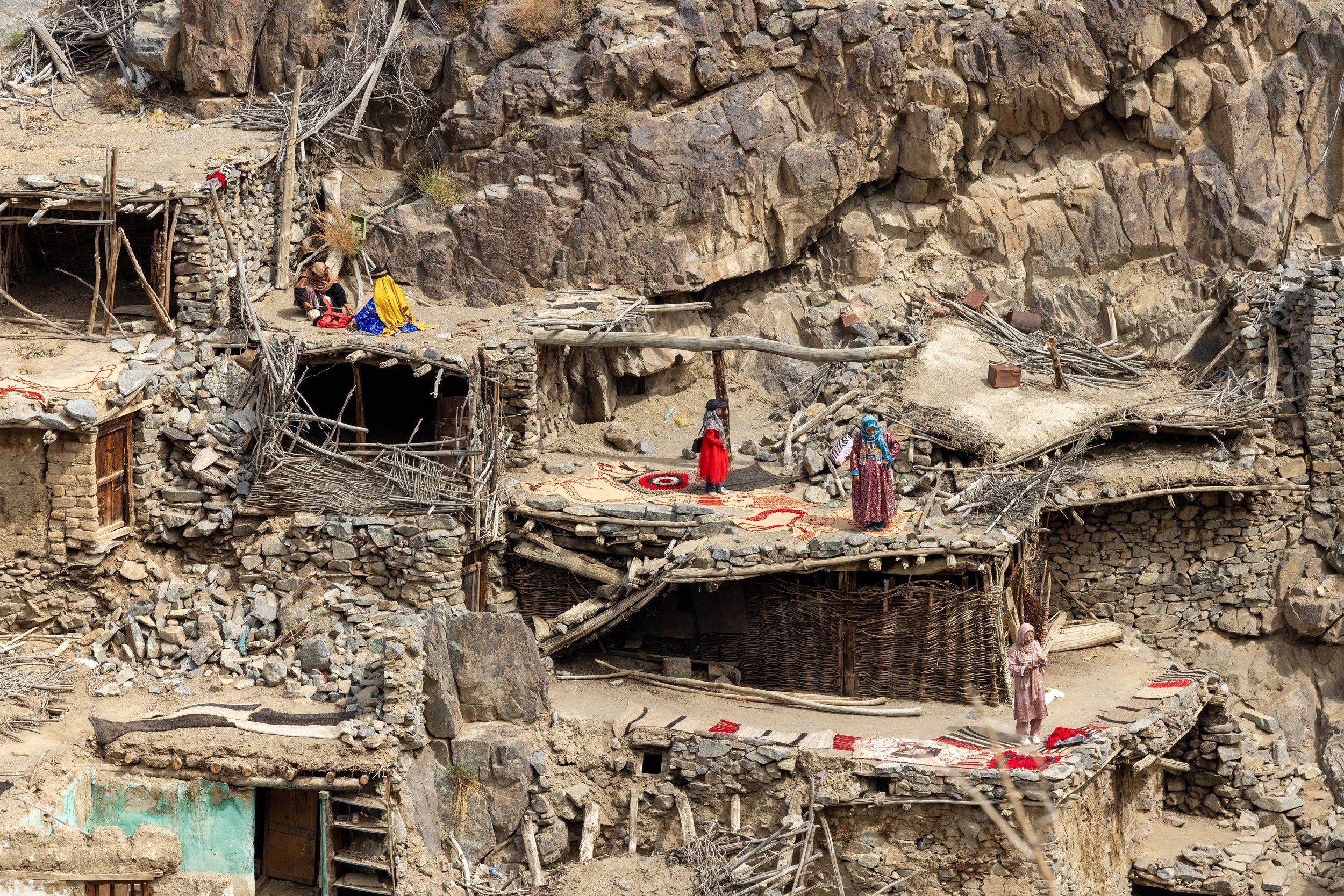
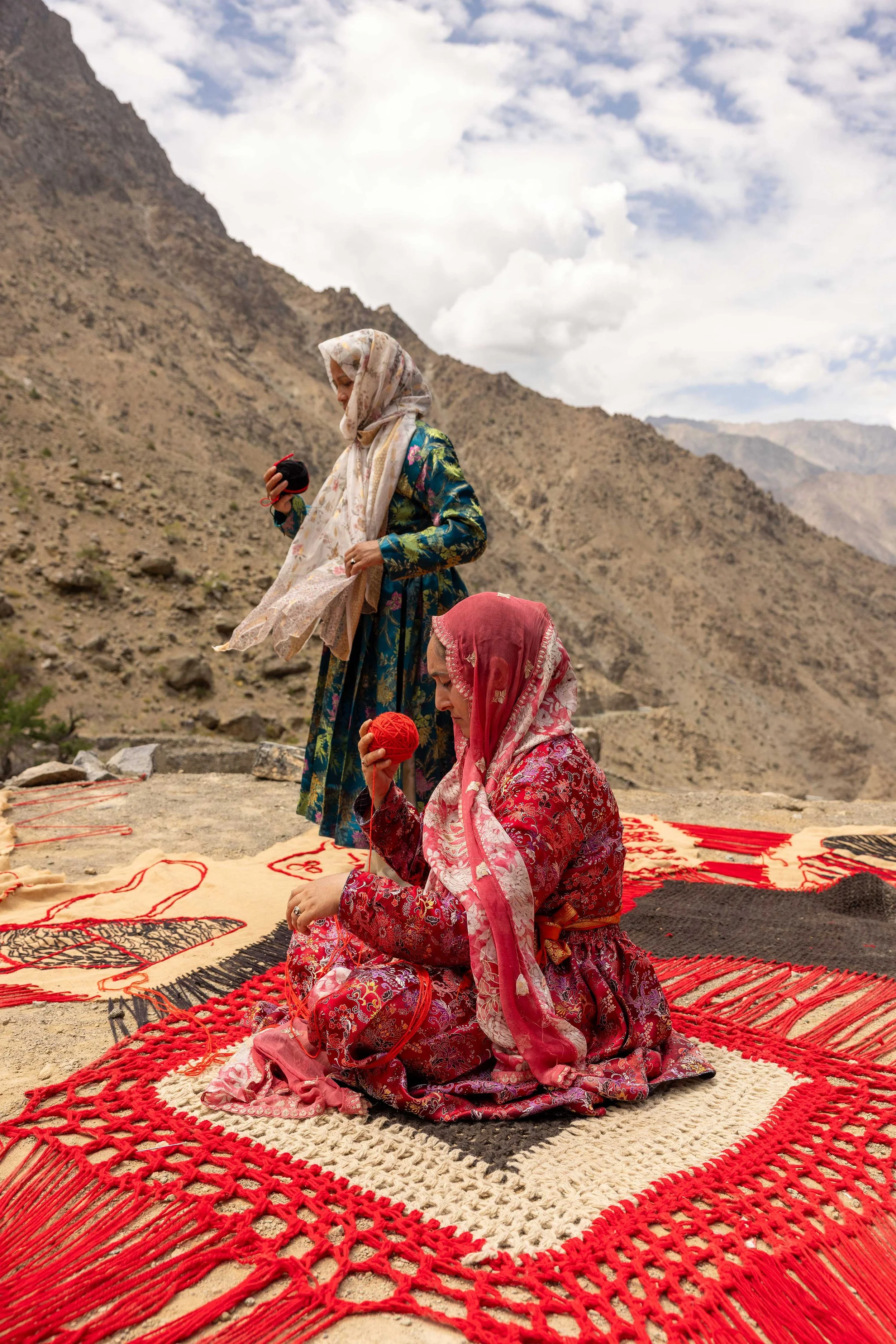
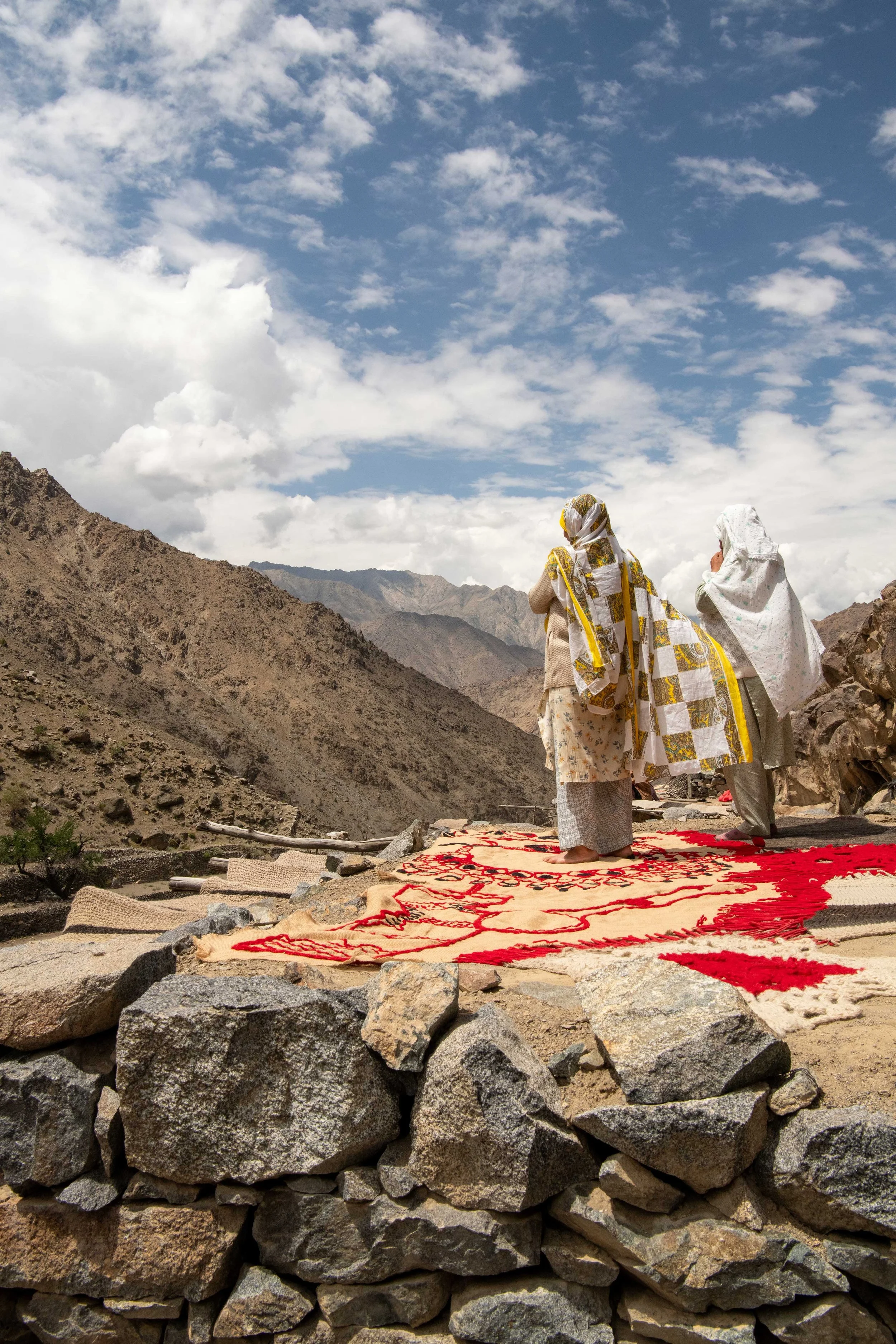
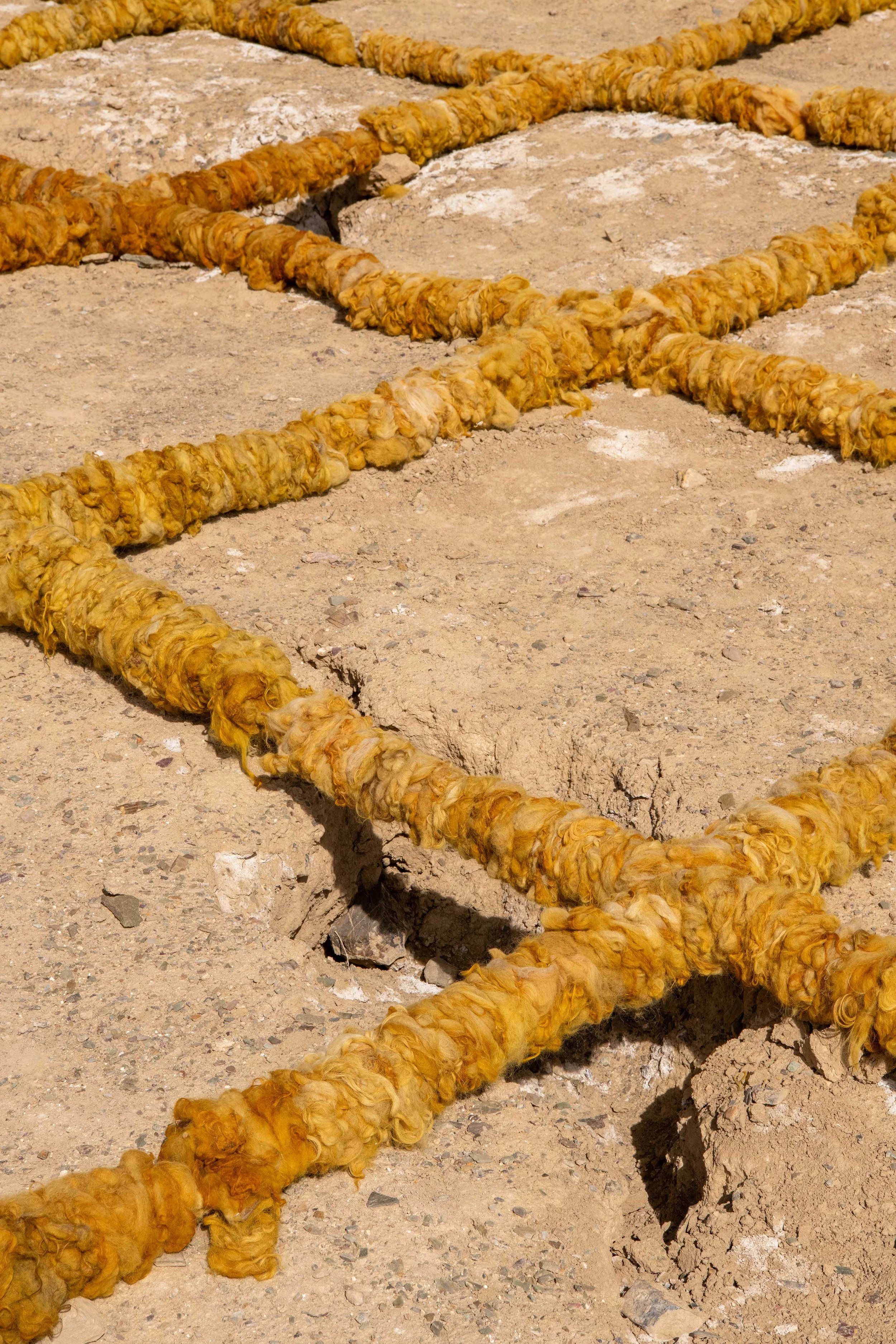
Uniting the works is the idea of regeneration and renewal — socially, culturally and ecologically. Artists worked in close exchange with the places and communities hosting them, drawing on local materials and existing practices, while many were encouraged to scale their own disciplines into larger, spatial interventions. In Hundarman, Zahara Batool revisited her sculpting and textile practice through which she explores her experience as a woman artist from Kargil. In collaboration with women from the local handicrafts programme with which she now works, they extended a woven tapestry across the roofs of decaying heritage houses in the abandoned village. Siddho describes the work as a collective ‘re-stitching and repairing’ of the structures in the contested site to momentarily bring them back to life.
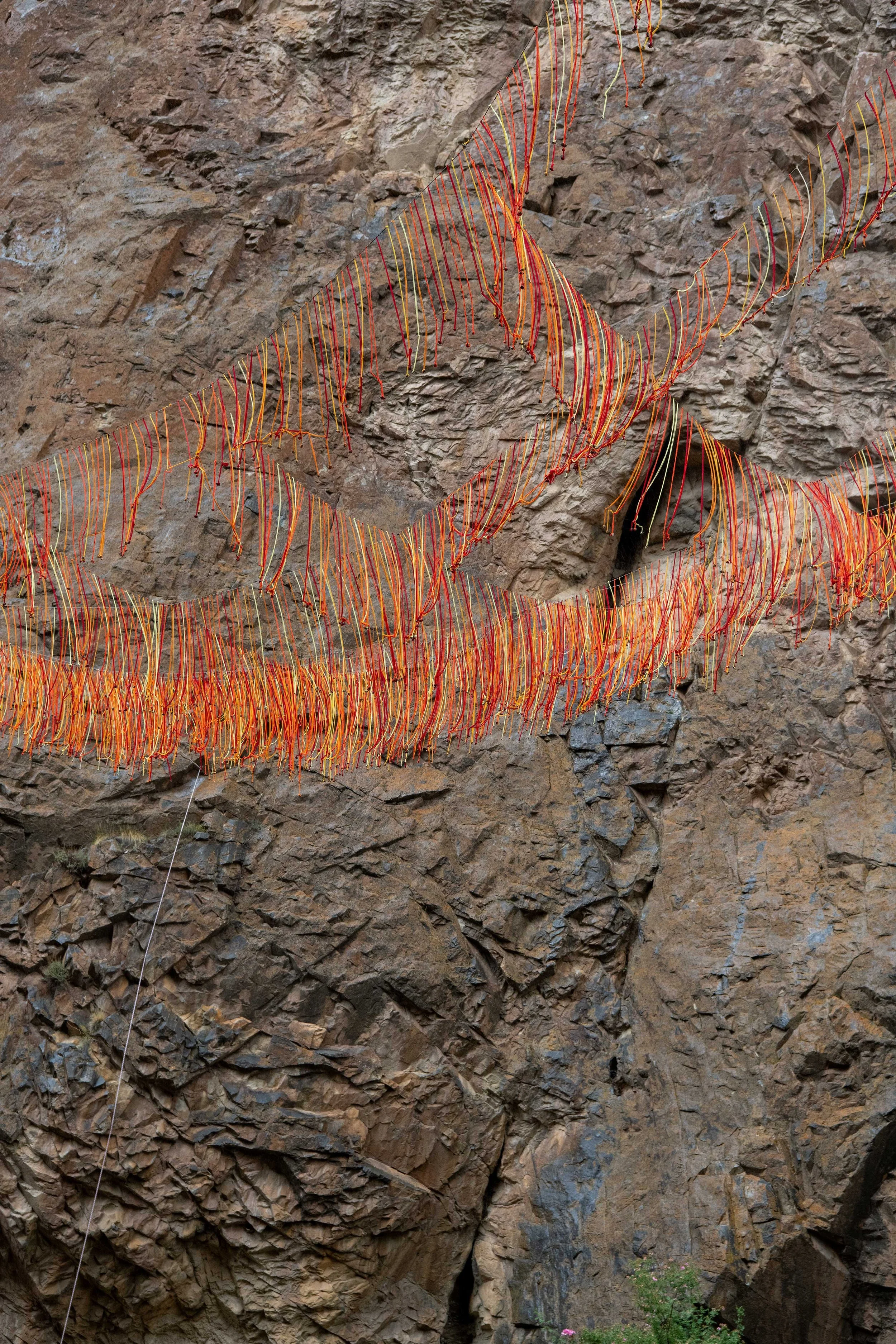
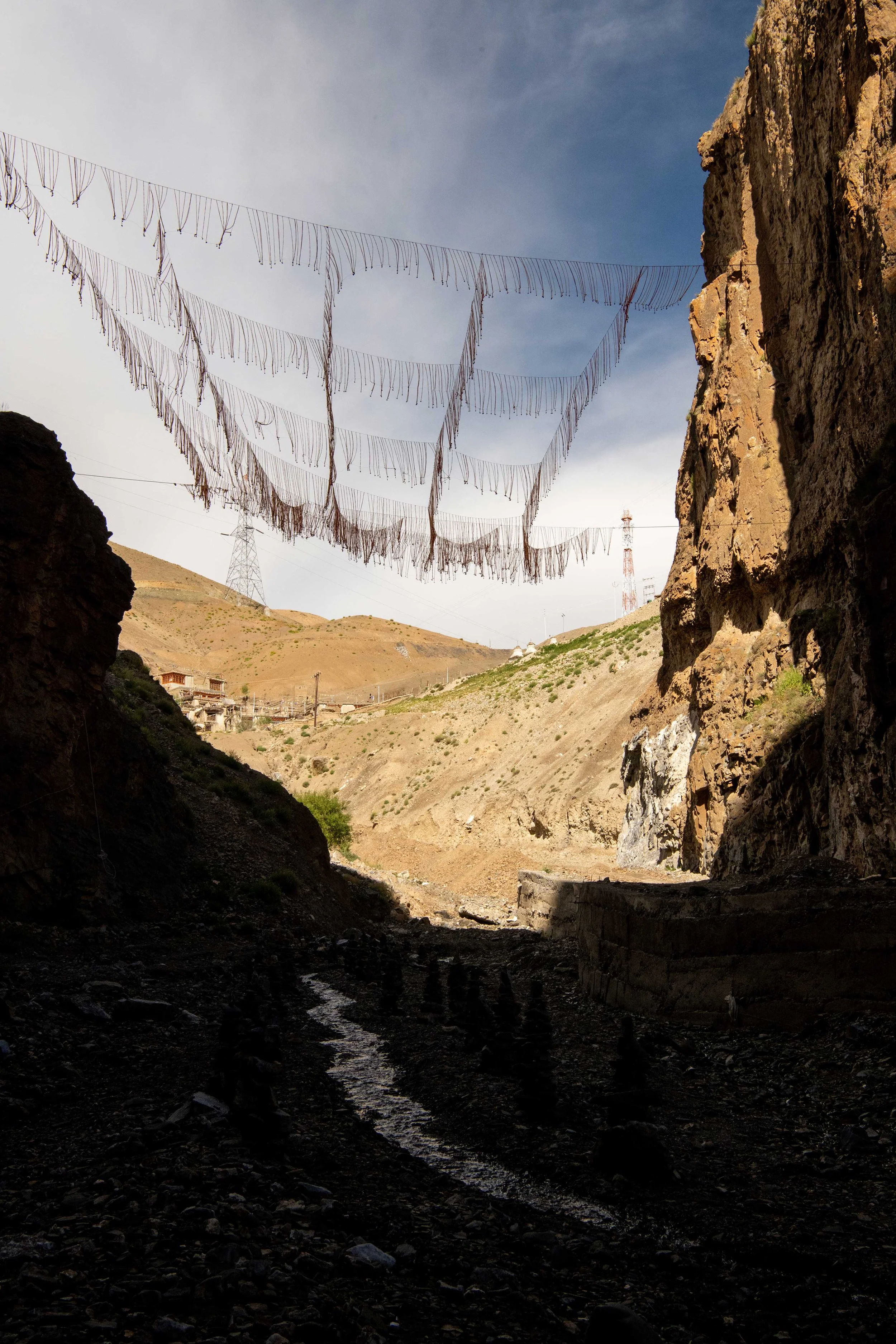
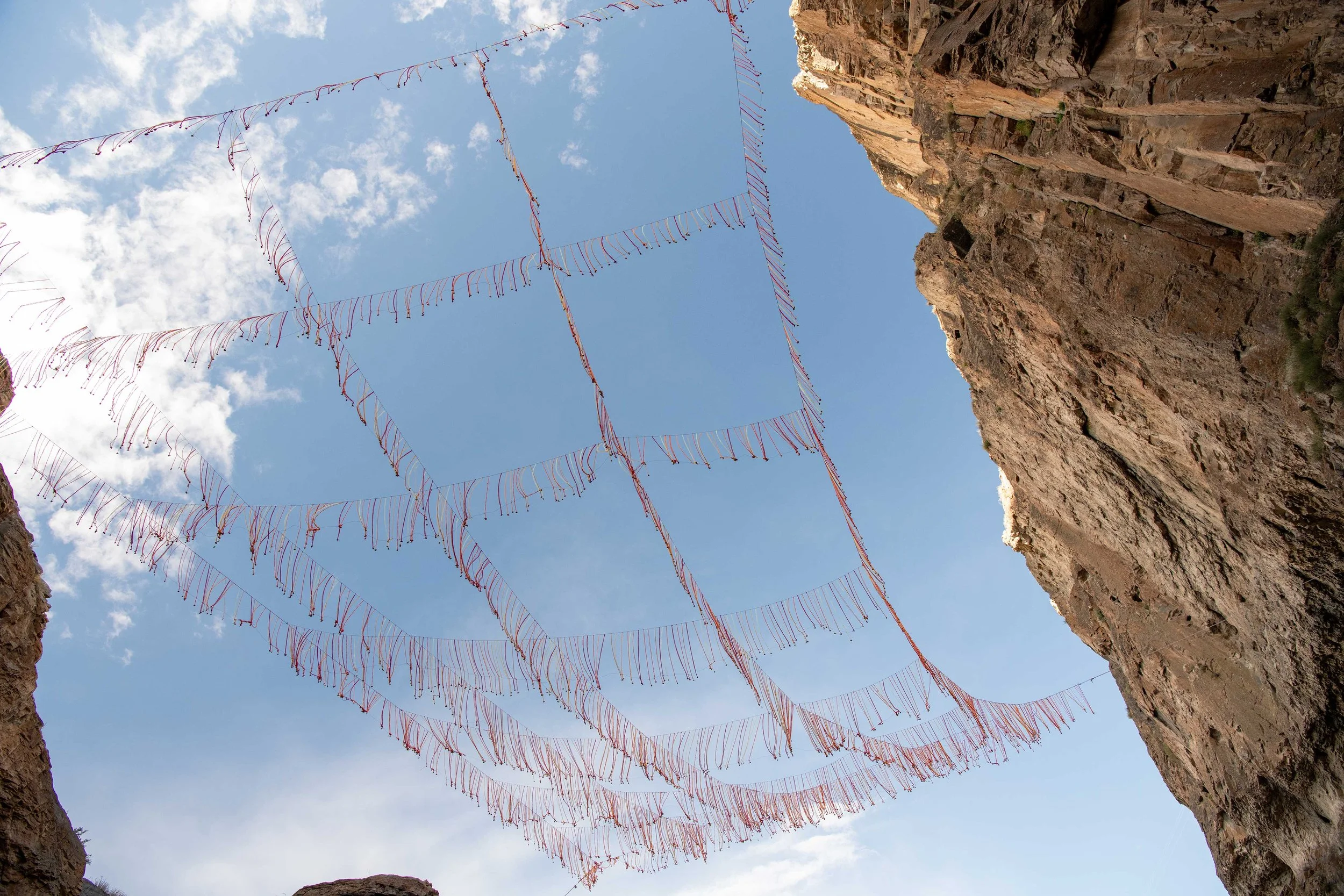
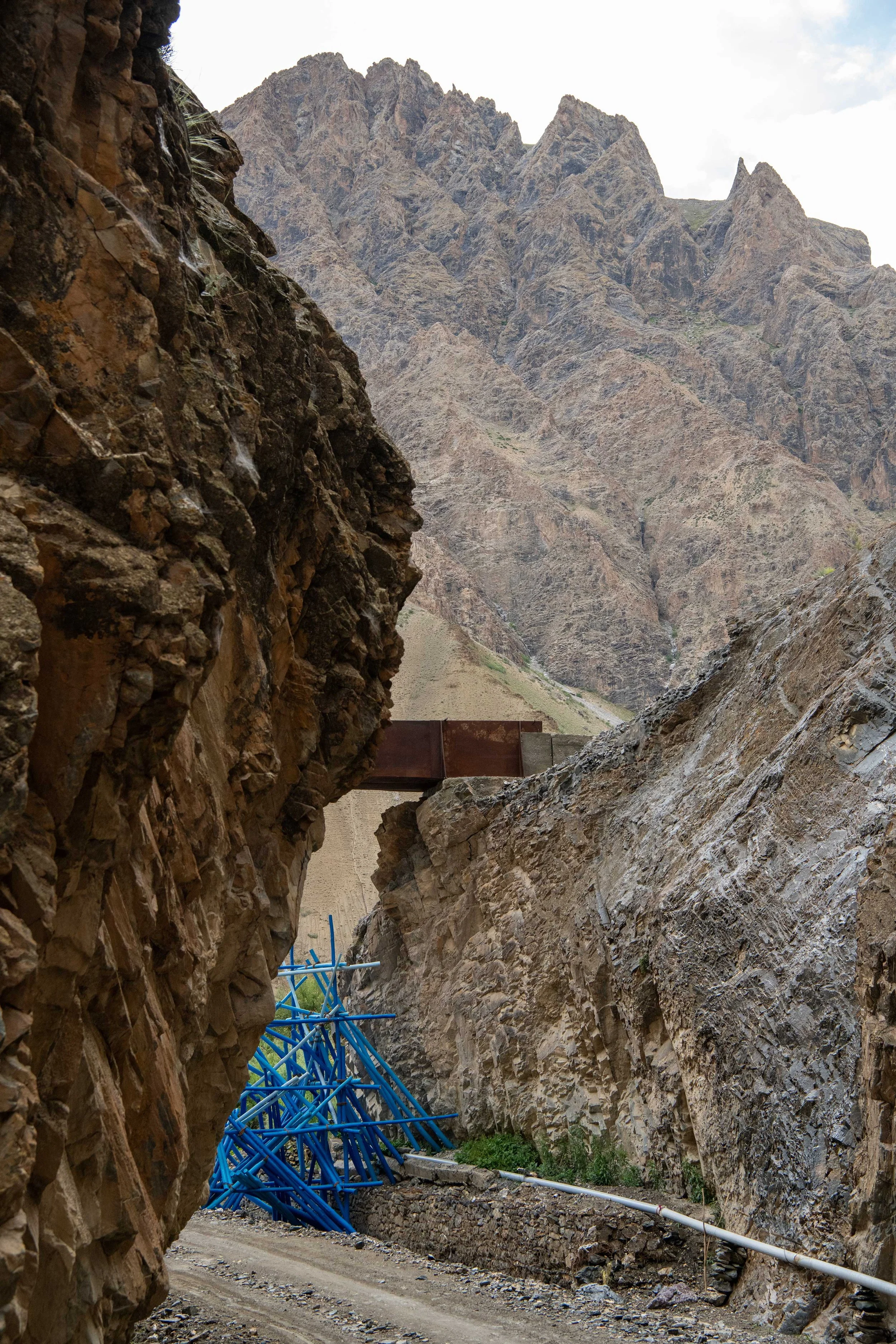
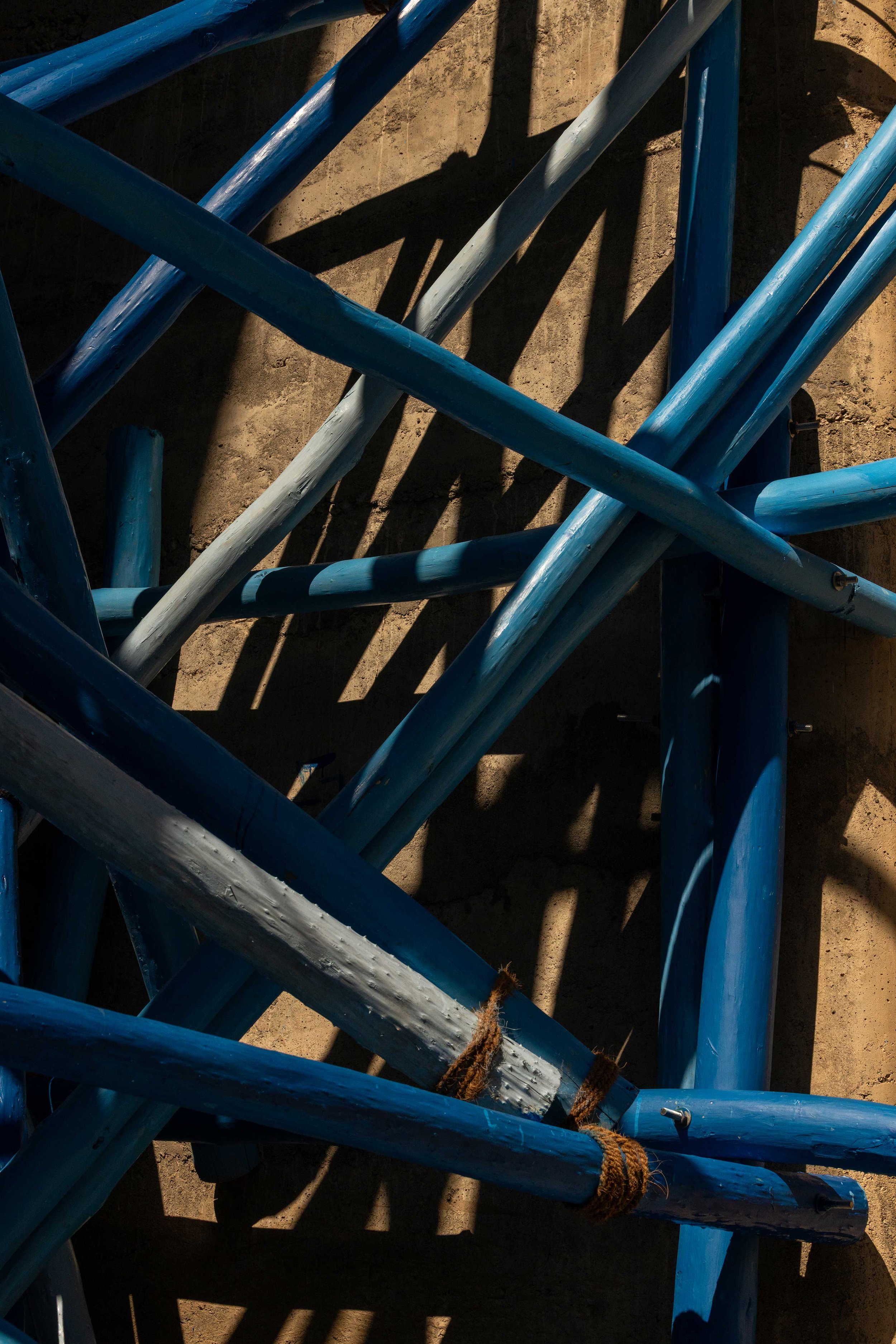
This engagement with local practices extended beyond craft traditions and into the region’s architectural vernacular, and broadly its infrastructure. At Basgo, Tom Müller’s ephemeral performance enveloped the monastery in water-based mist, while the Biennale supported repairs to its rain-damaged roof and the renewal of its traditional karsi limewash, speaking to local rituals of care. In Henasku, US-based Avantika Bawa worked to assemble hundreds of wooden ballis, beams used in local construction, to wedge a vivid blue deconstructed scaffolding into the village’s rocky gorge. Once dismantled, the timber will go towards building a community kitchen. Elsewhere, Ladakhi artist Stanzin Tsepel’s installation mapping the disappearance of glaciers onto soaring cliffsides will return its materials to residents, and its anchor points will be left for villagers who had long wanted to string prayer flags across the gorge. ‘It is important for the material to return to the hands of the community,’ he says, ‘and to create something that can be shared and transformed, rather than leaving something behind.’
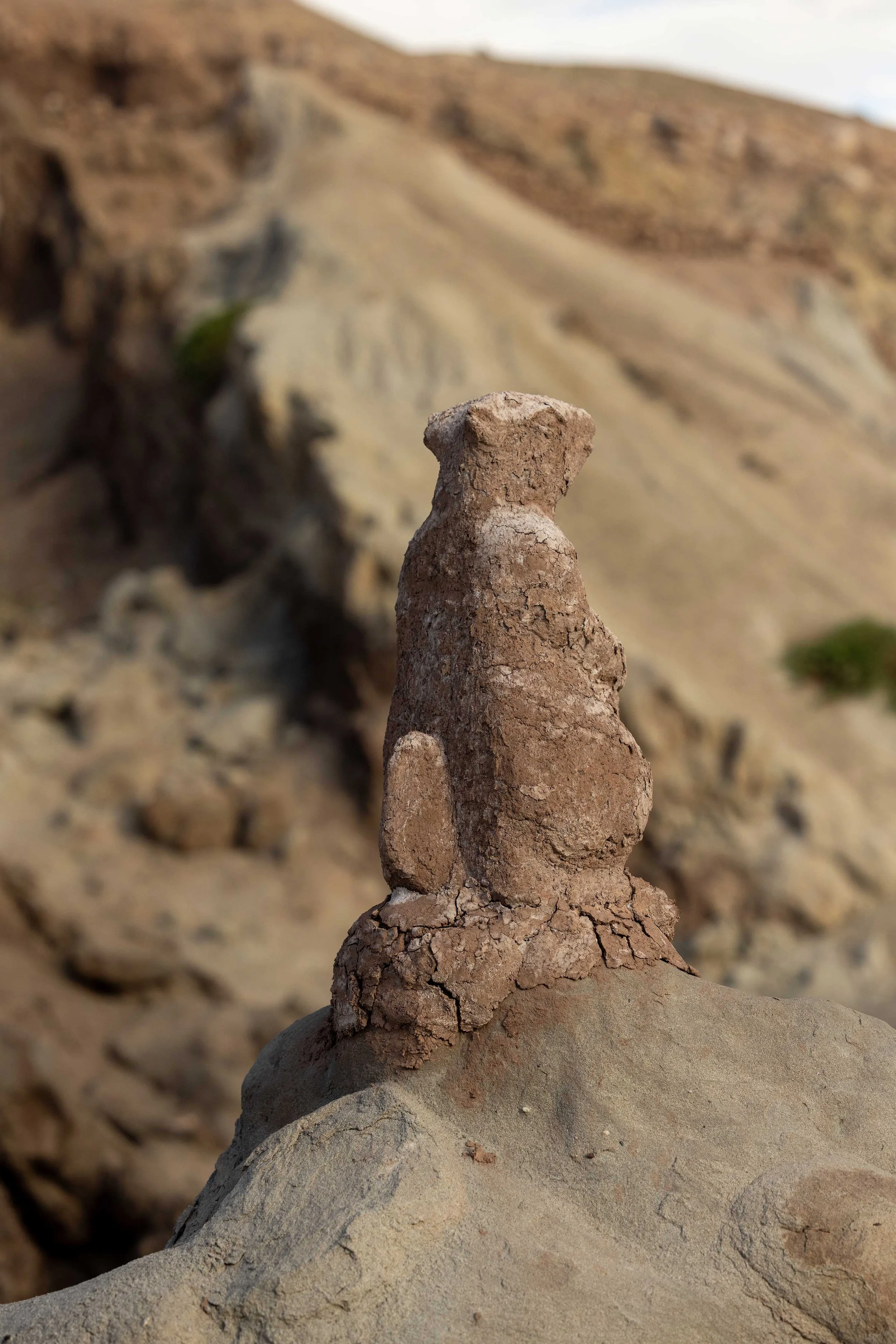
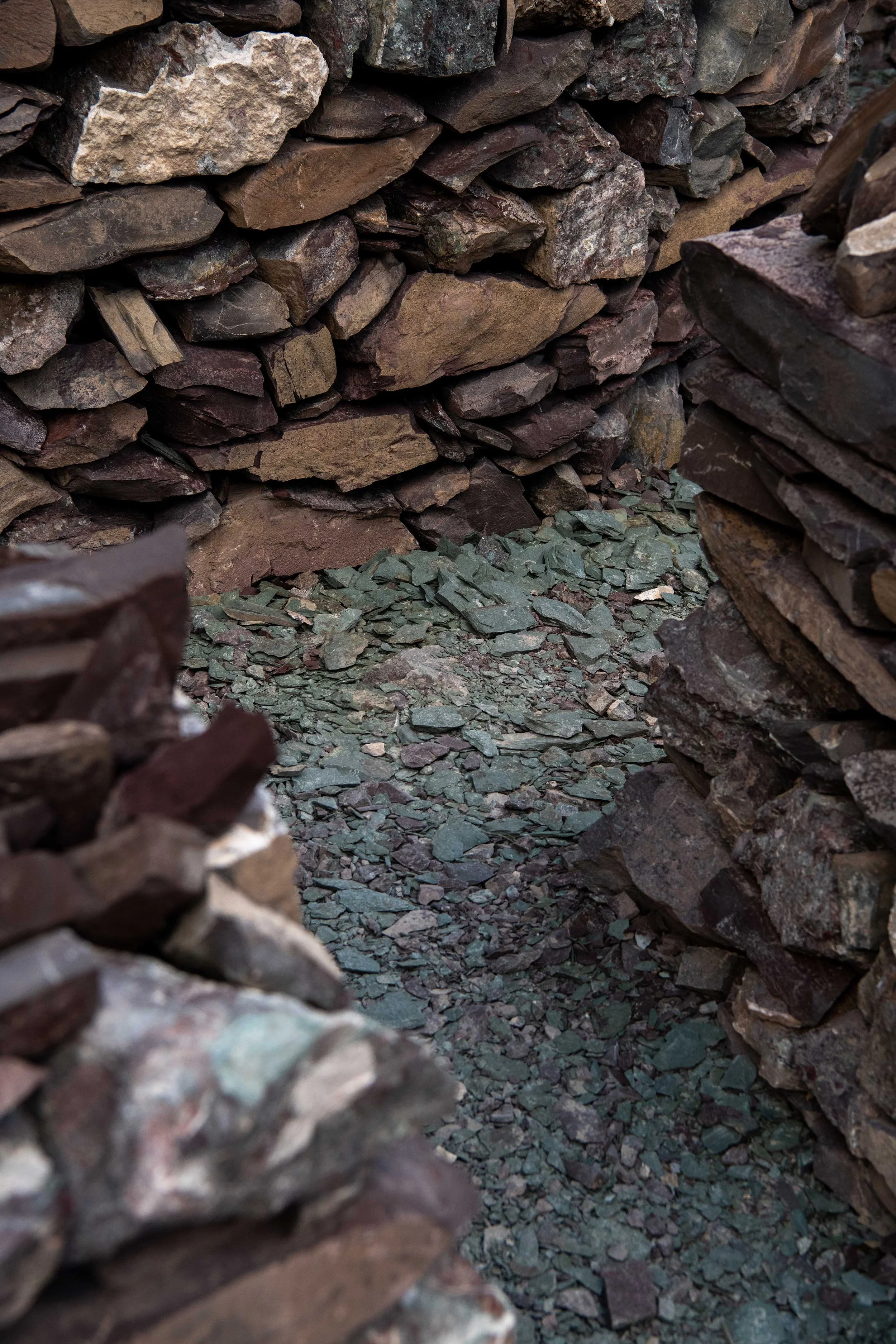
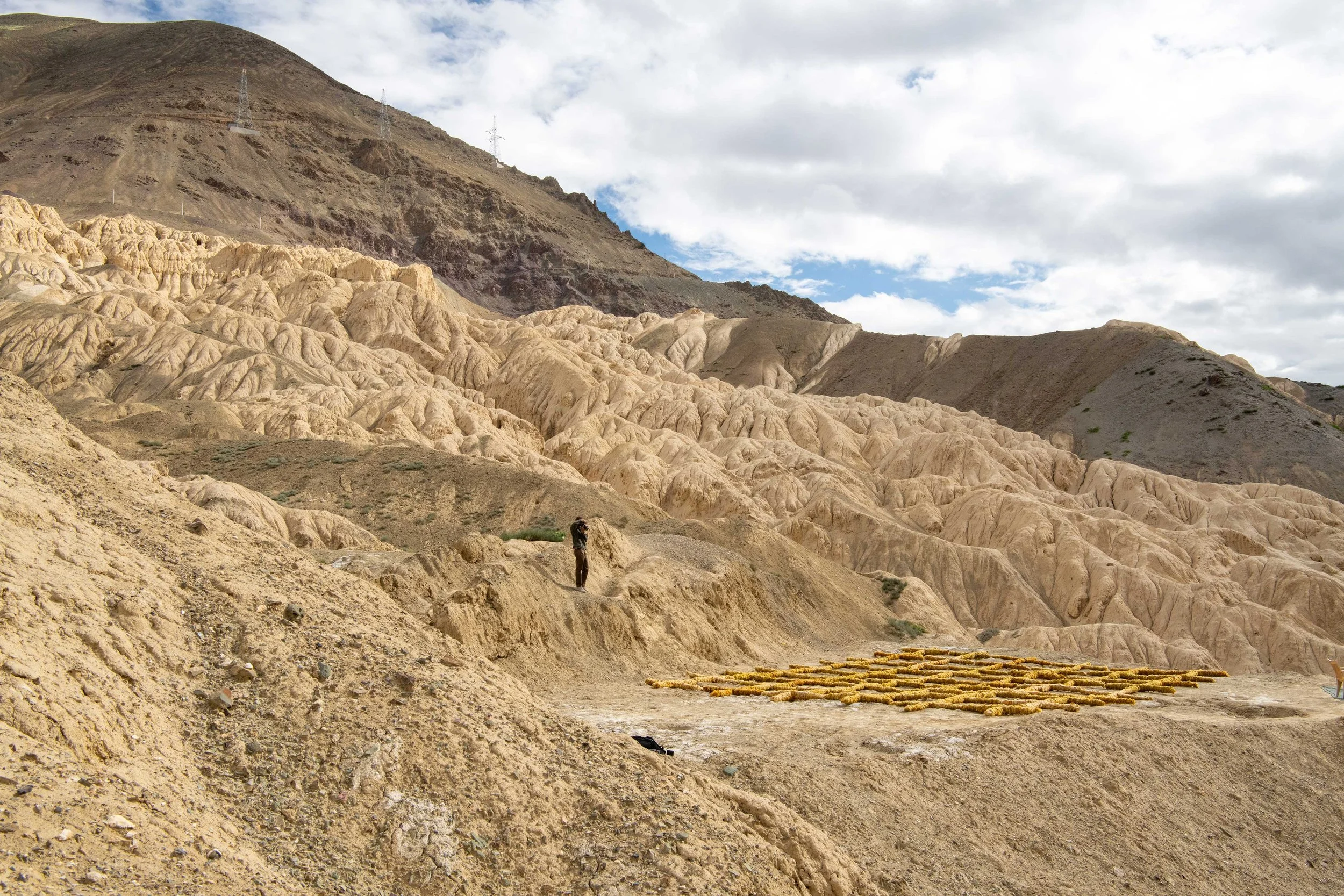
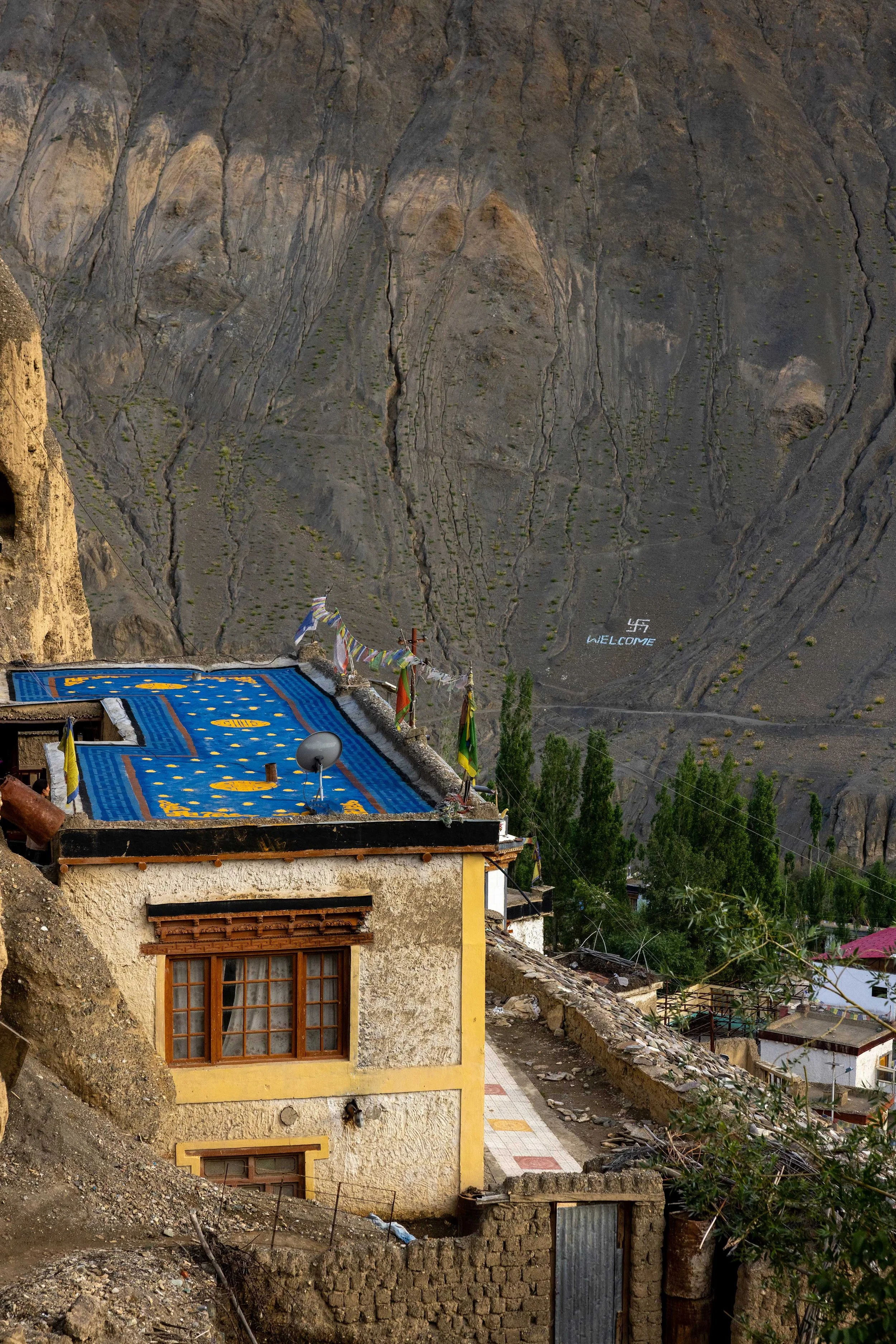
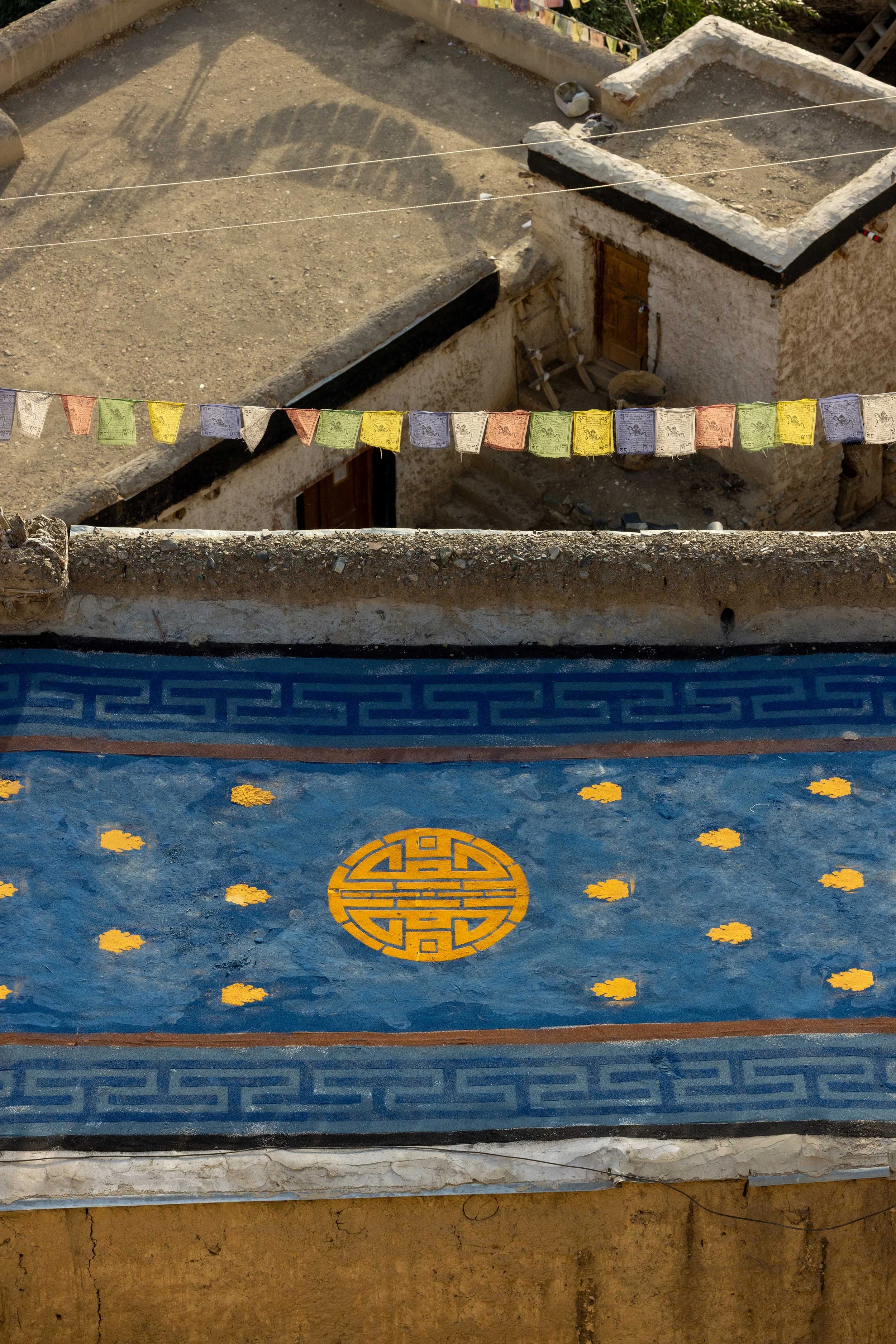
These afterlives speak to a wider sensitivity towards material use across the Biennale — the focus is on sourcing from the sites themselves, and some works were also intentionally left exposed to the elements to disintegrate naturally. In Lamayuru, Nepalese artist Amrit Karki balances solidity and ephemerality by laying our traditional Himalayan ‘carpets’ made of naturally pigmented earth across village rooftops, lifting motifs typically encountered underfoot onto an unexpected public plane. Left to disperse in the wind, rain and snow, their gradual disappearance echoes Lamayuru’s own cycles of environmental precarity and the migration of communities. ‘I wanted to play with this idea of continuity and rupture,’ Karki explains, ‘a sense that something is historic but also only fleeting.’ In the thousand-year-old pottery village of Likir, Australian artist Shupiwe Chongwe worked with Ladakhi potters and a young mushroom grower to embed seeds and mushroom substrate into clay vessels before placing them by a stream so that both elements can slowly return to the soil.
Across the route, the works also draw from histories and cultural practices particular to each site; in Leh, artists mined oral traditions and folk tales of witches, ghosts and other mystical encounters that seem almost at home among the Old Town’s alleys and ageing buildings, while at Mulbekh, works draw together routes of pastoral migrations and plant-based medicinal know-how.
Amid all of this, there is an interesting reciprocity around the presence of sā itself, which has steered the team from earlier site-specific, exhibition-first experiments towards the slower regenerative biennale model it uses now. in a delicate landscape already dealing with pressures of environmental change and growing tourism, the question of what an artwork leaves behind expands to the attention and activity that comes with it. Beyond the small continuities already taking shape, the Biennale team has begun developer longer-term artist, fellowship and education programmes, while research into its social and environmental effects will look beyond immediate visual impact and, eventually, inform a wider framework for artists and institutions working in public space.
The Biennale also joins a longer history of cultural exchange in Ladakh, where organisations including the Ladakh Arts and Media Organisation (LAMO) have supported arts and research for decades. LAMO co-founder Monisha Ahmed points out that Ladakh has historically been a crossroads where ‘people, commerce and cultures intermingled’, and where its art forms have consequently mixed indigenous ideas with influences arriving from elsewhere. As she puts is, ‘This Biennial is in many ways an extension of that.’
Text by Ravail Khan