At Wahawa Walauwa, a 150-Year-Old Family Home Finds a New Life
In rural Rambukkana, a nineteenth-century family residence has been restored as a six-suite retreat, with its climatic logic still determining how the house is experienced
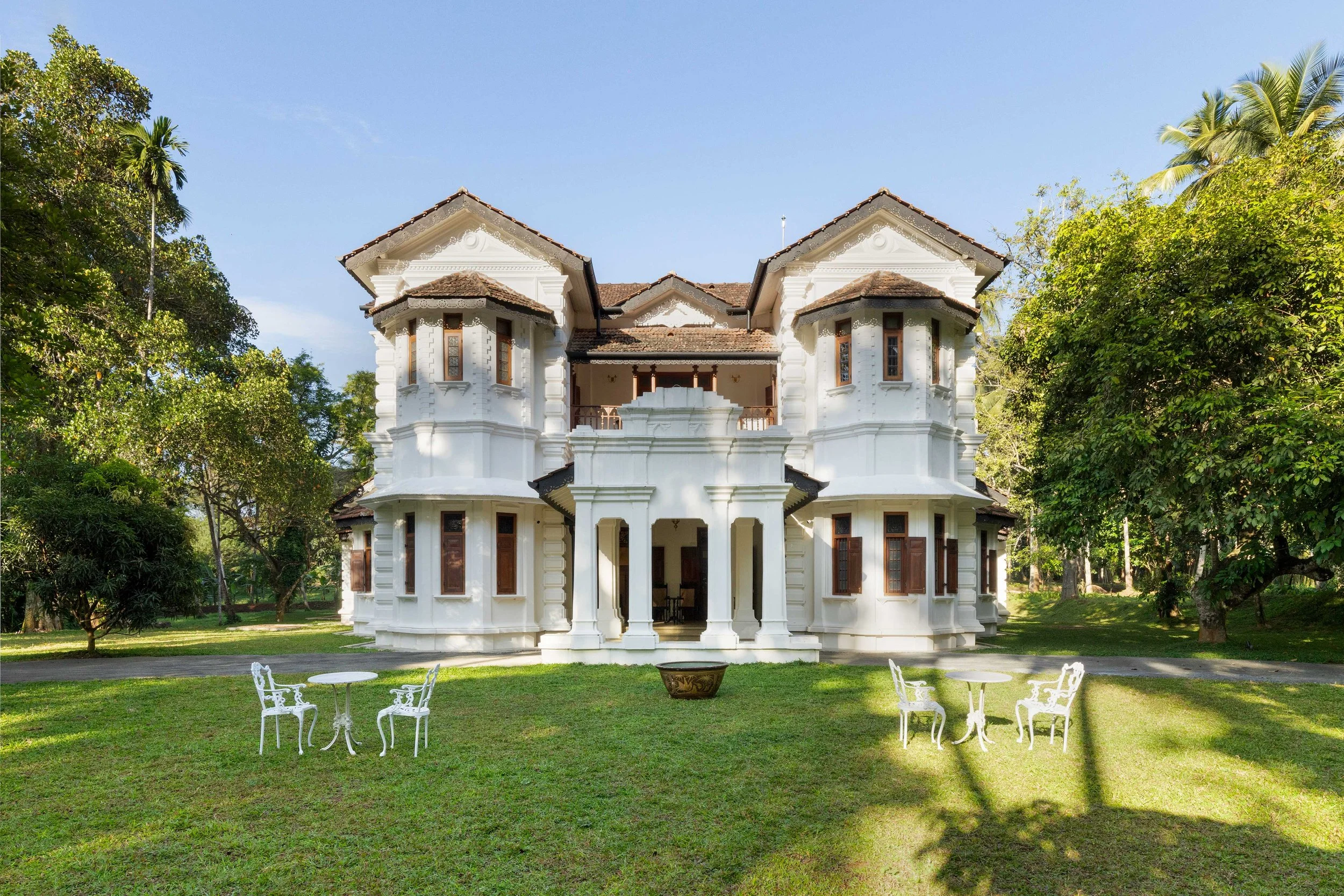
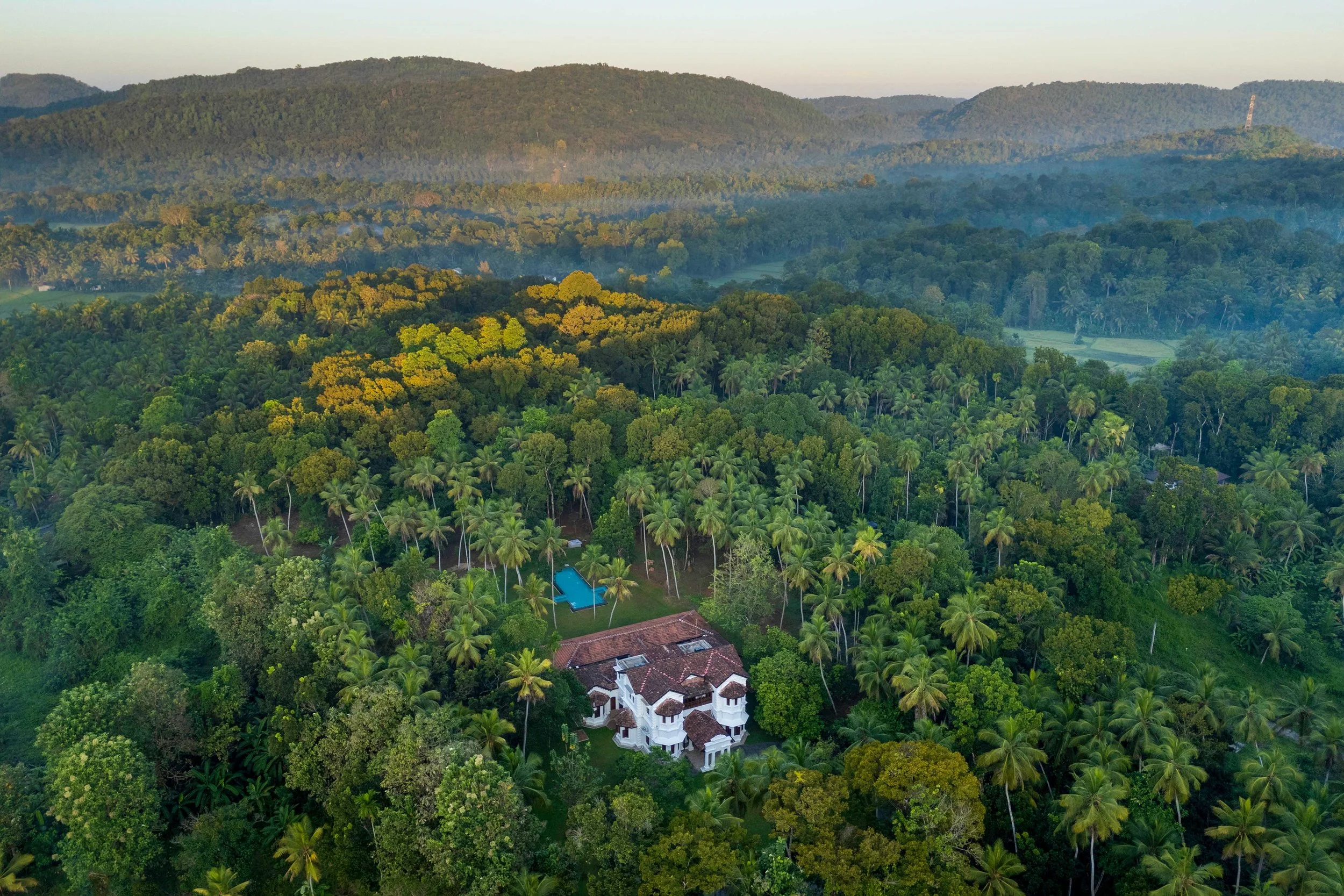
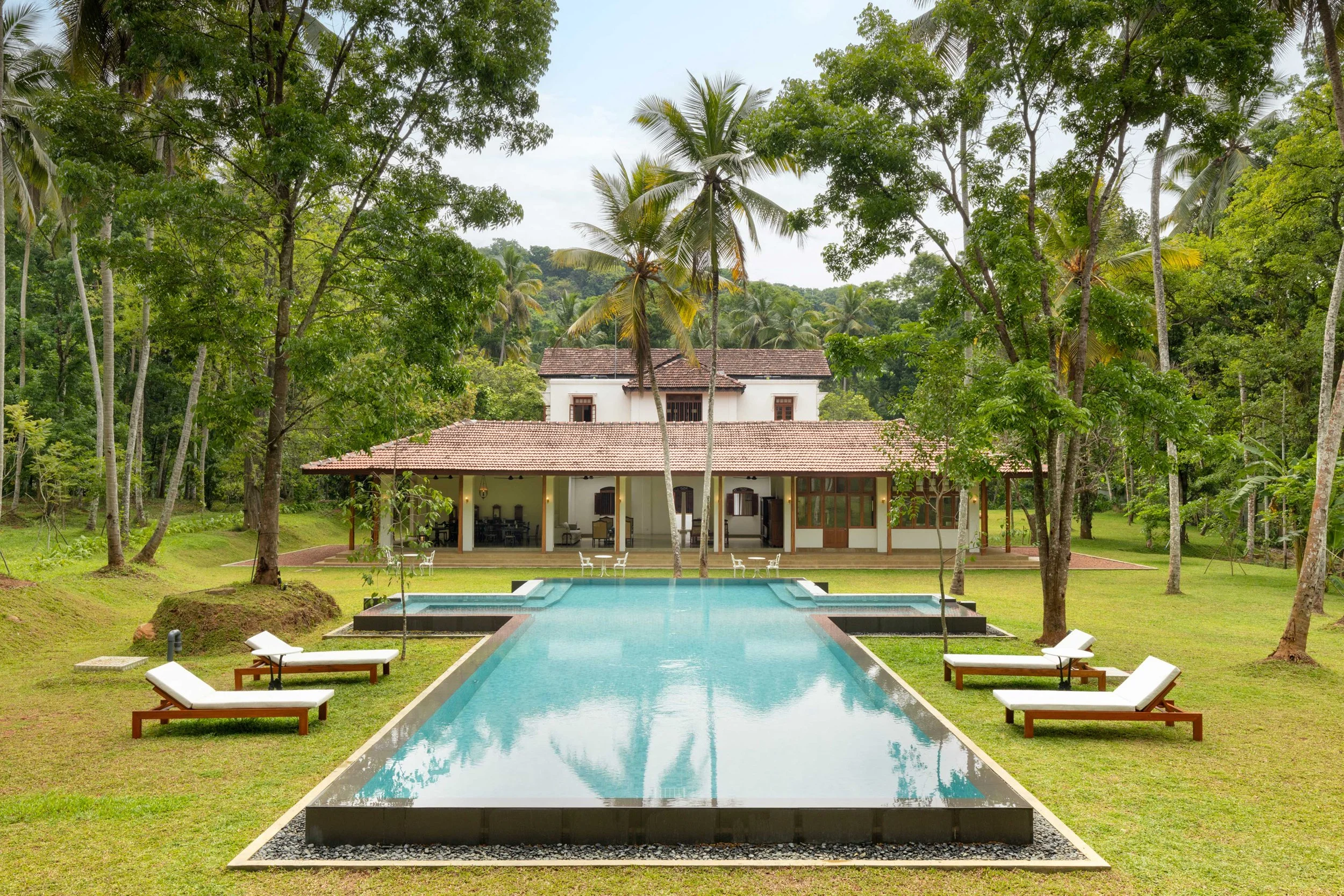
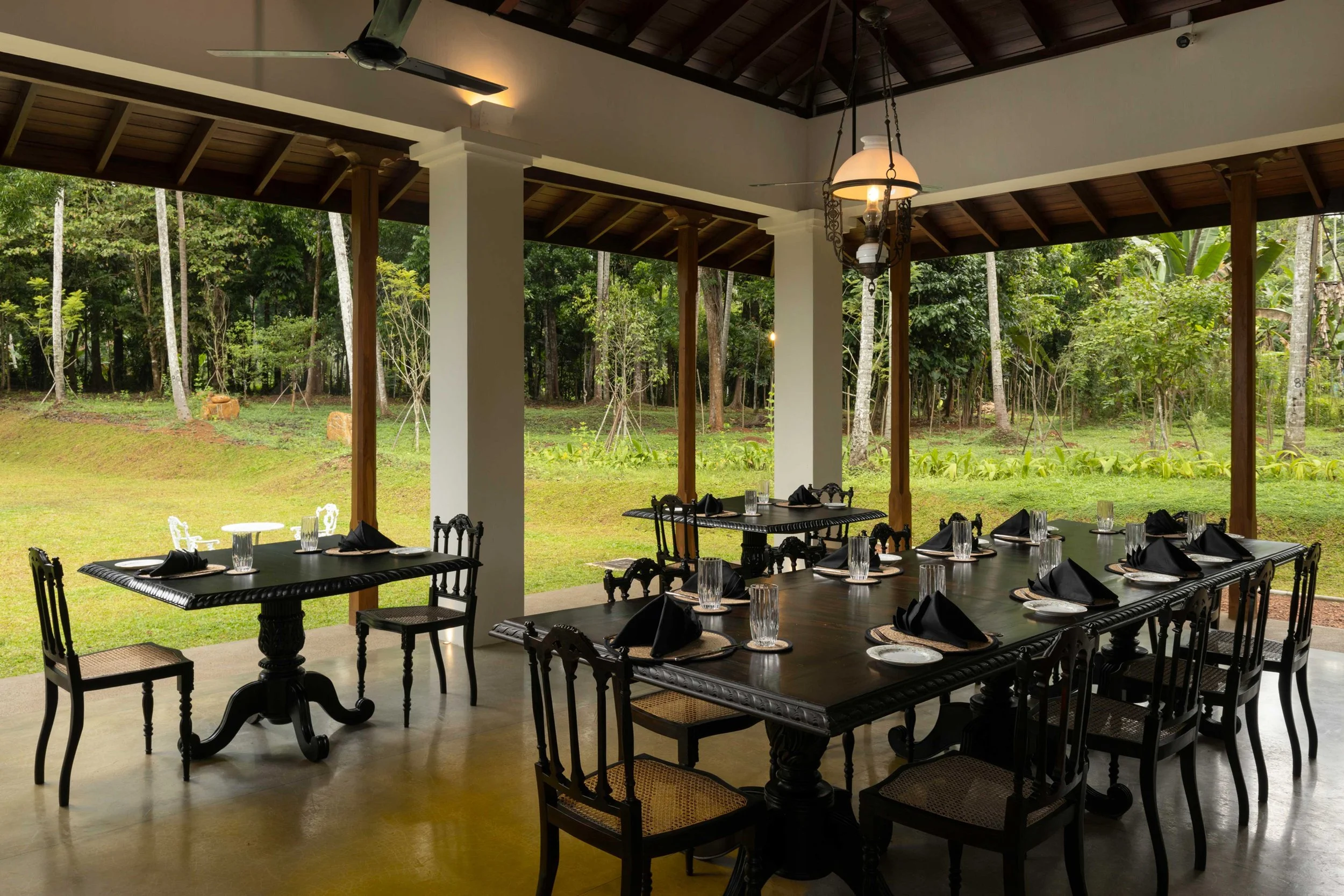
A hundred kilometres from Colombo, the whitewashed Wahawa Walauwa in Rambukkana sits surrounded by tall coconut trees that were planted when the house was built, some 150 years ago. The front facade faces a broad lawn, while at the back, the dining area opens to a swimming pool framed by lush greenery, including jackfruit trees and an organic garden.
The house was first known as Peacock Villa and later became Hector Bungalow, after original owner Pemanis Mudalali’s grandson Hector Abeysinghe. The property remained within the extended family through several generations before Dilshan Chaminda Abeysinghe, one of Hector’s descendants, sold it to investor Ajith Fernando, who has restored the house in partnership with Jetwing Hotels.
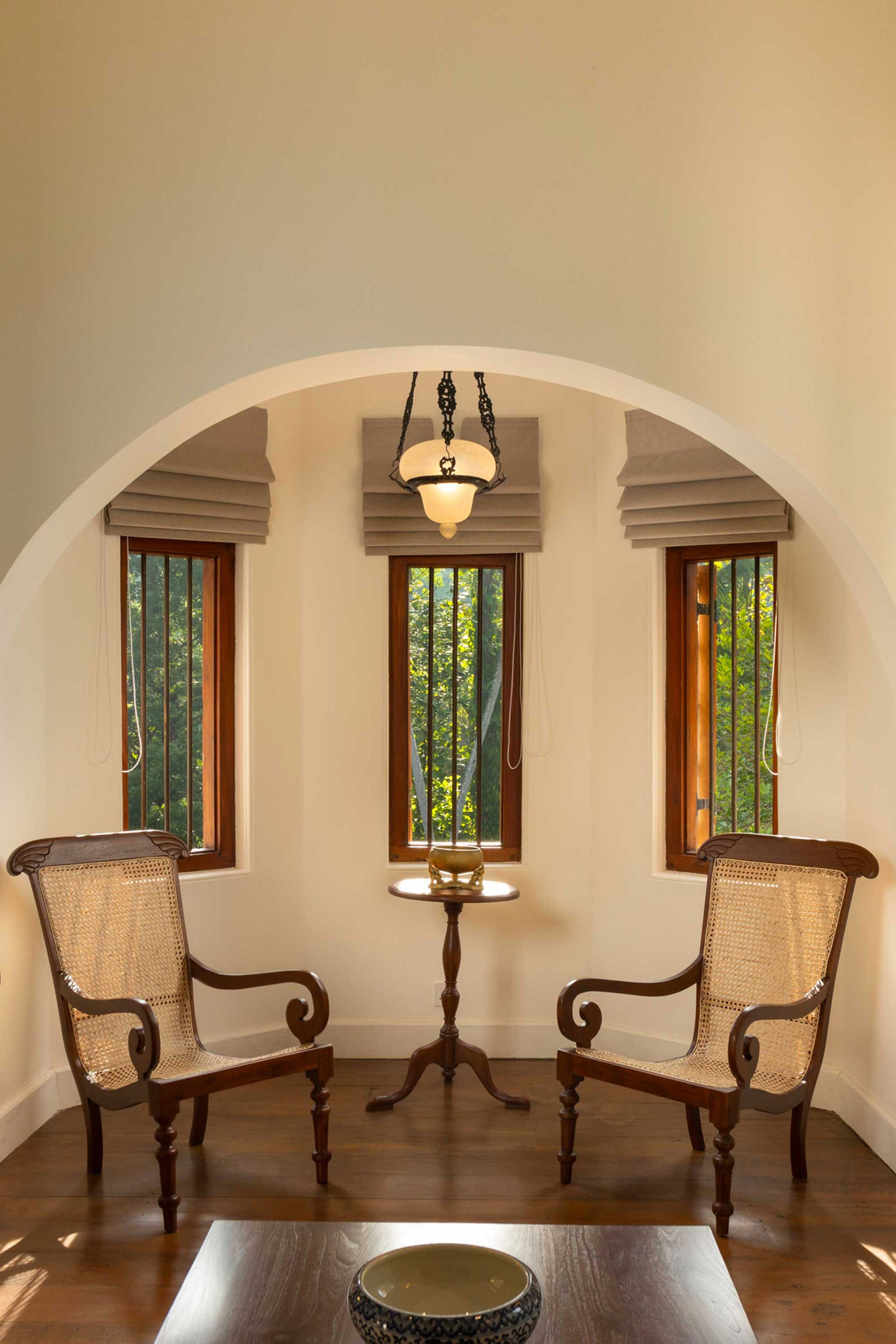
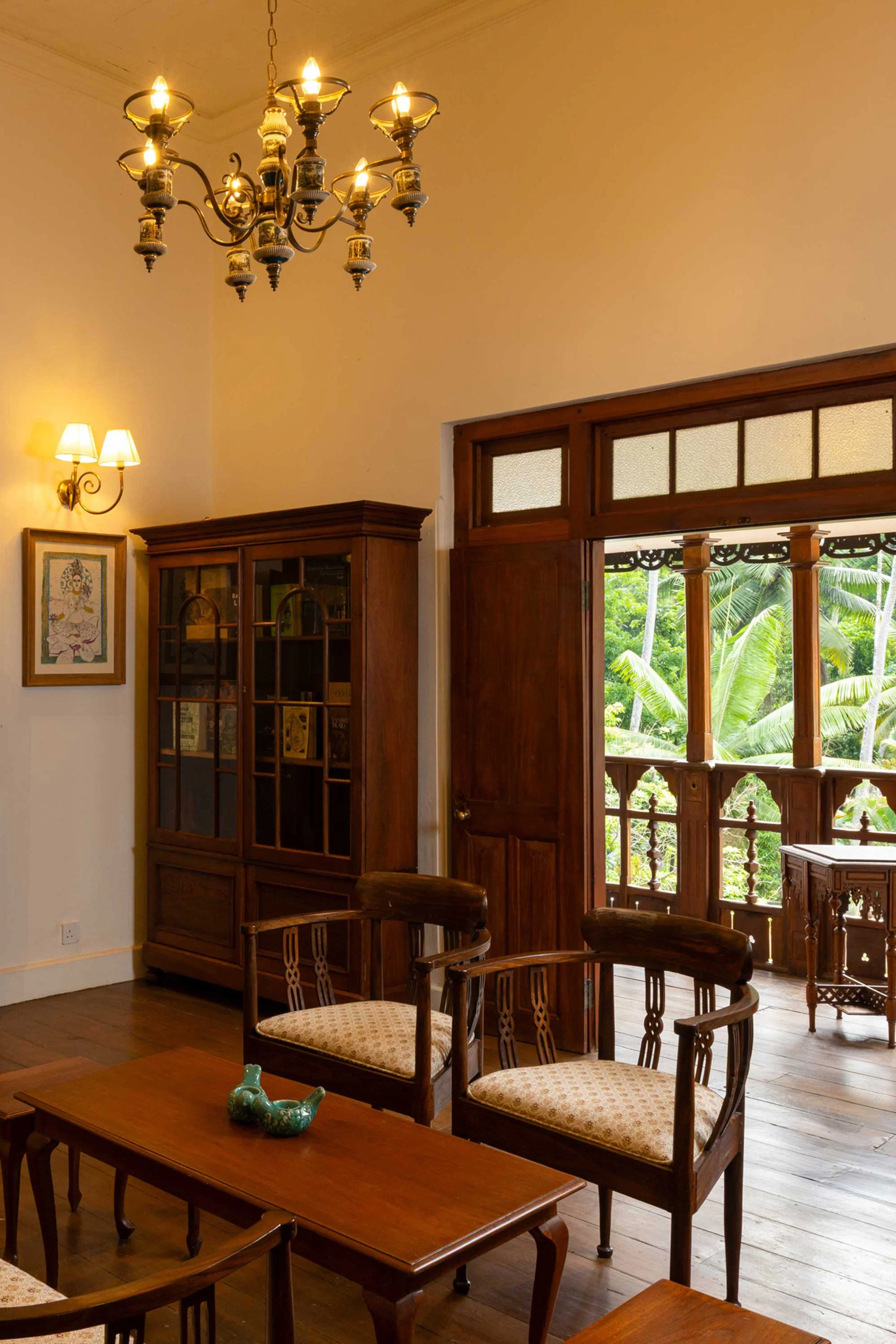
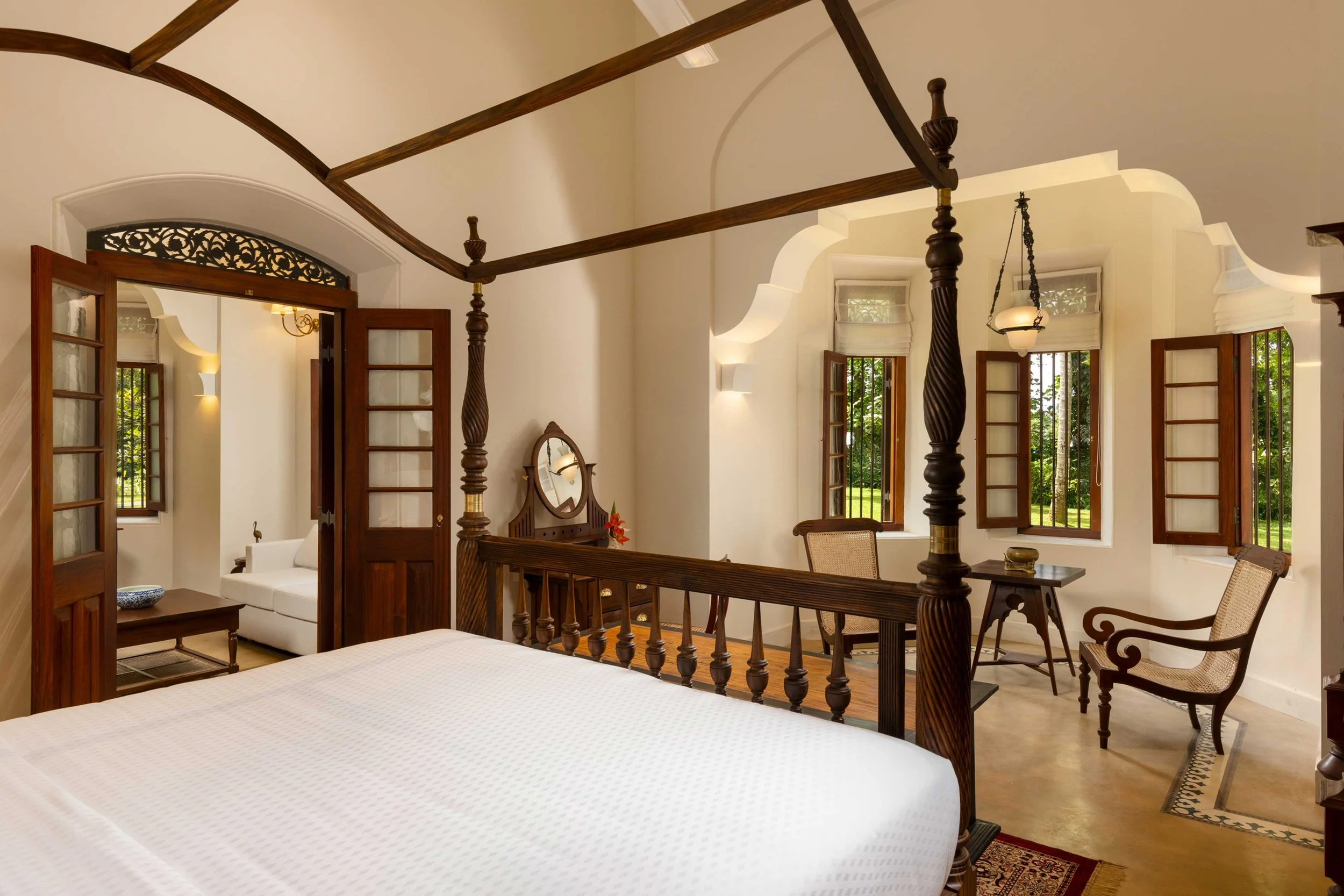
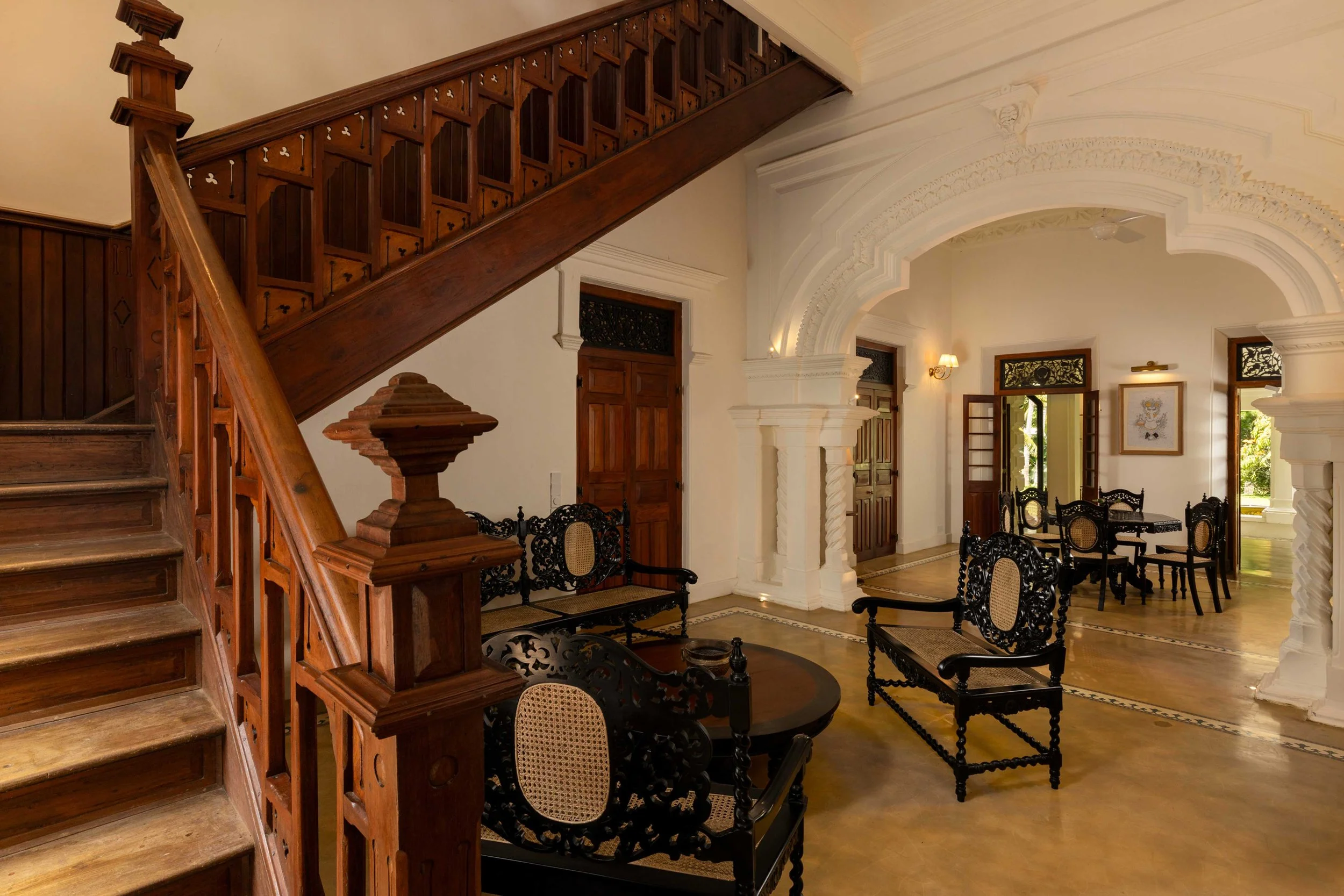
Today, Wahawa Walauwa is a six-suite heritage hotel spanning two floors. There are four suites of 63 square metres each, including one situated on each side of the portico at the entrance veranda. The main door opens into a compact, high-ceilinged living room furnished with teak pieces. Here, a wooden staircase leads to the upper floor, which contains the remaining two large suites alongside two smaller versions. The latter are also generous at 43 square metres, with windows that overlook the estate’s canopy of trees.
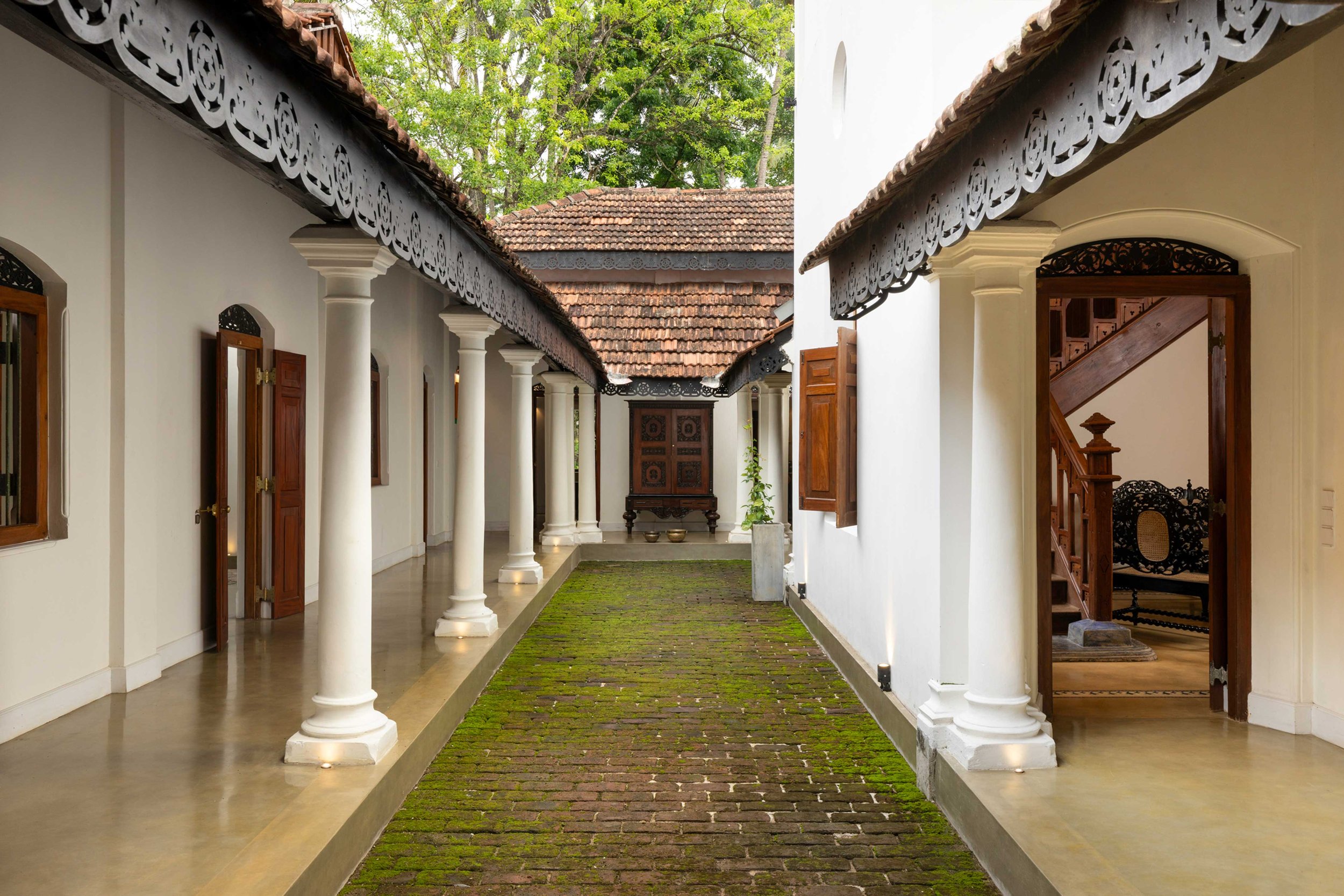
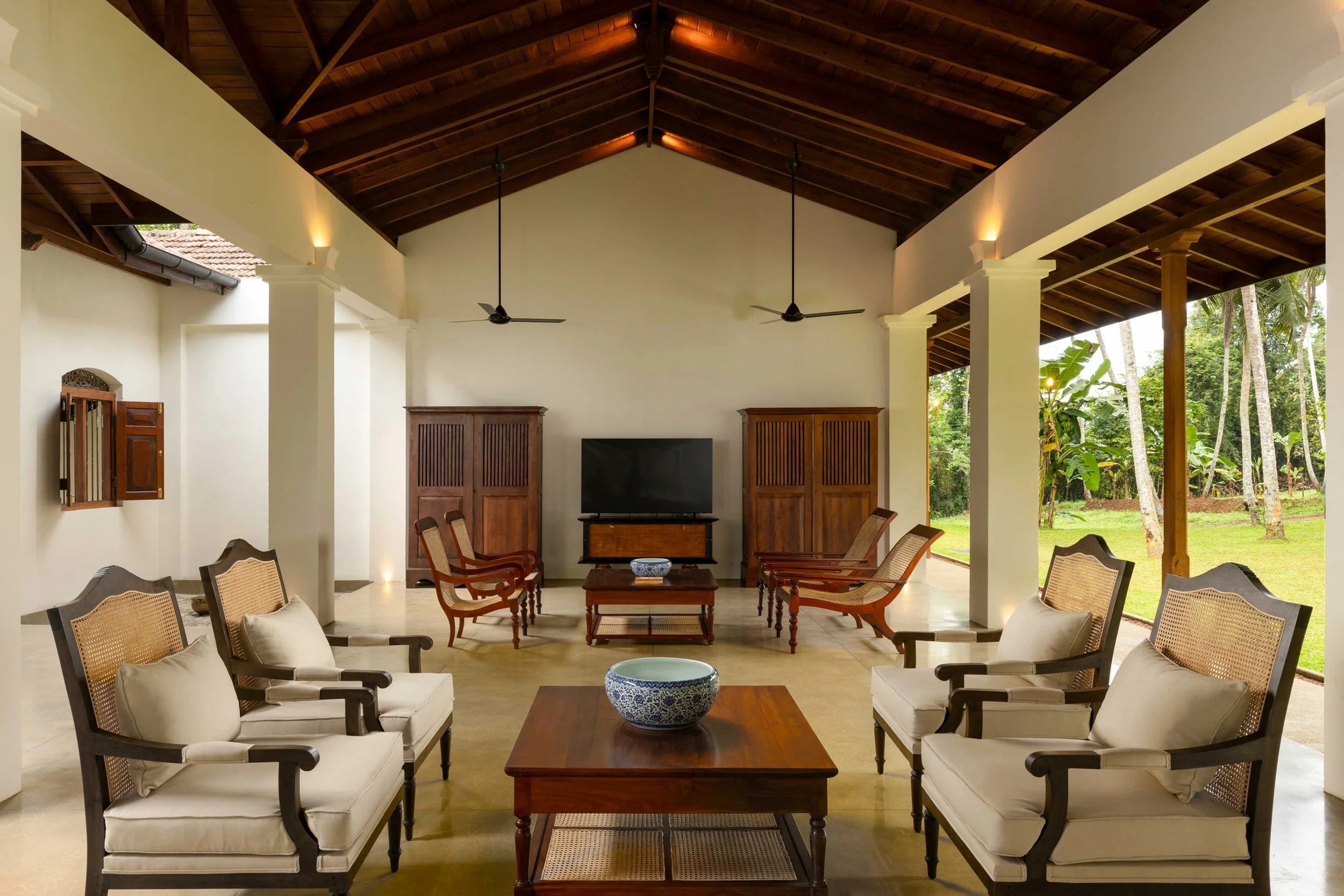
The house’s history is closely tied to Mudalali, who moved to Rambukkana to build a successful enterprise around papaya, spices and areca nuts. It wasn’t originally called a walauwa — a term usually reserved for Sri Lanka’s old aristocratic homes — but the name gradually stuck. And the typology is similarly enduring. Rooms open onto verandas, verandas onto courtyards, and the courtyards onto the grounds. Past the living room on the ground floor, a semi-enclosed area — once the home’s kitchen — doubles as the dining space, and in turn opens to the expansive rear lawn and pool area. The house’s spatial logic is as consistent as its tradition of hospitality: Fernando recalls Dilshan mentioning many times that people would constantly come and go from the house, but nobody left hungry.
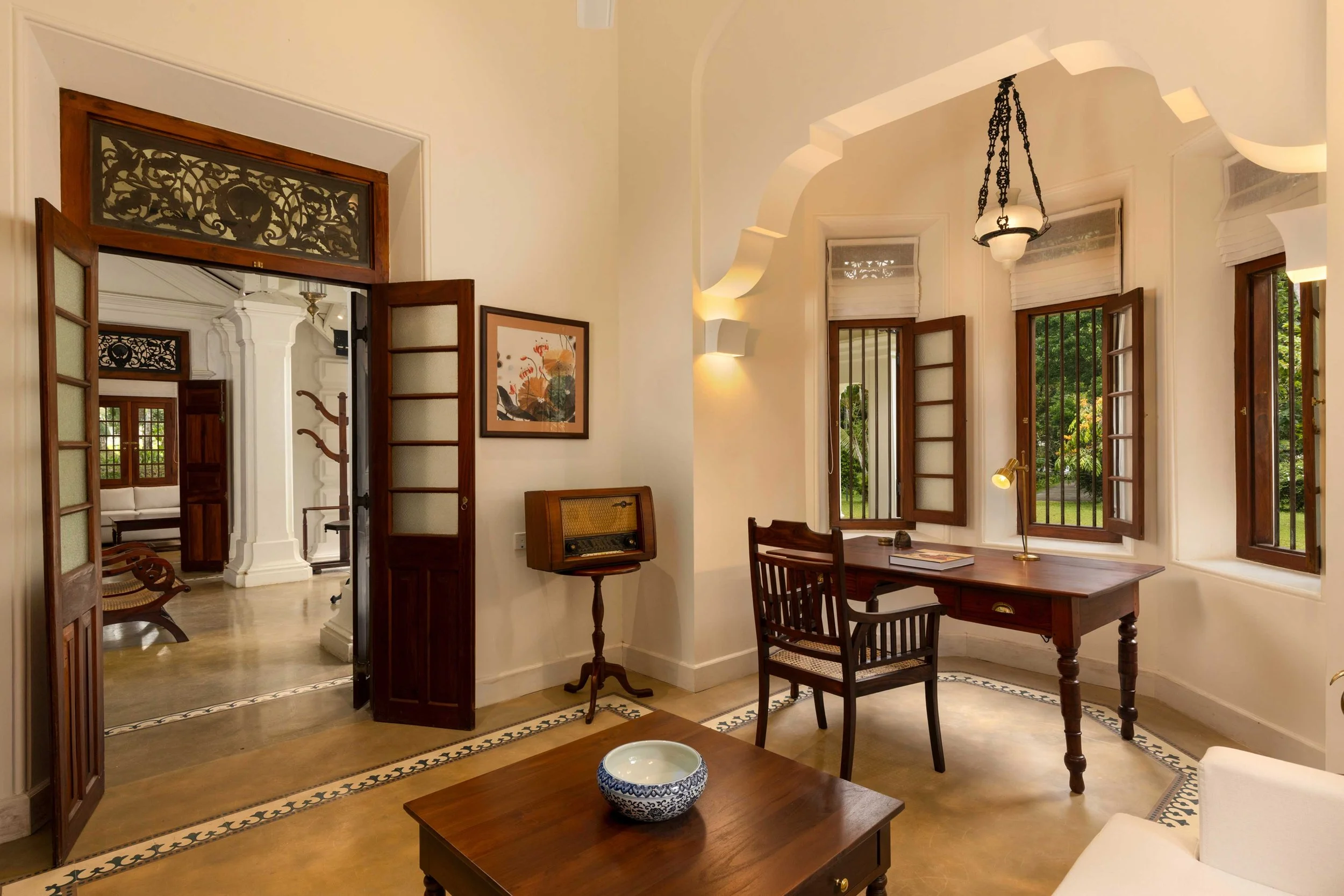
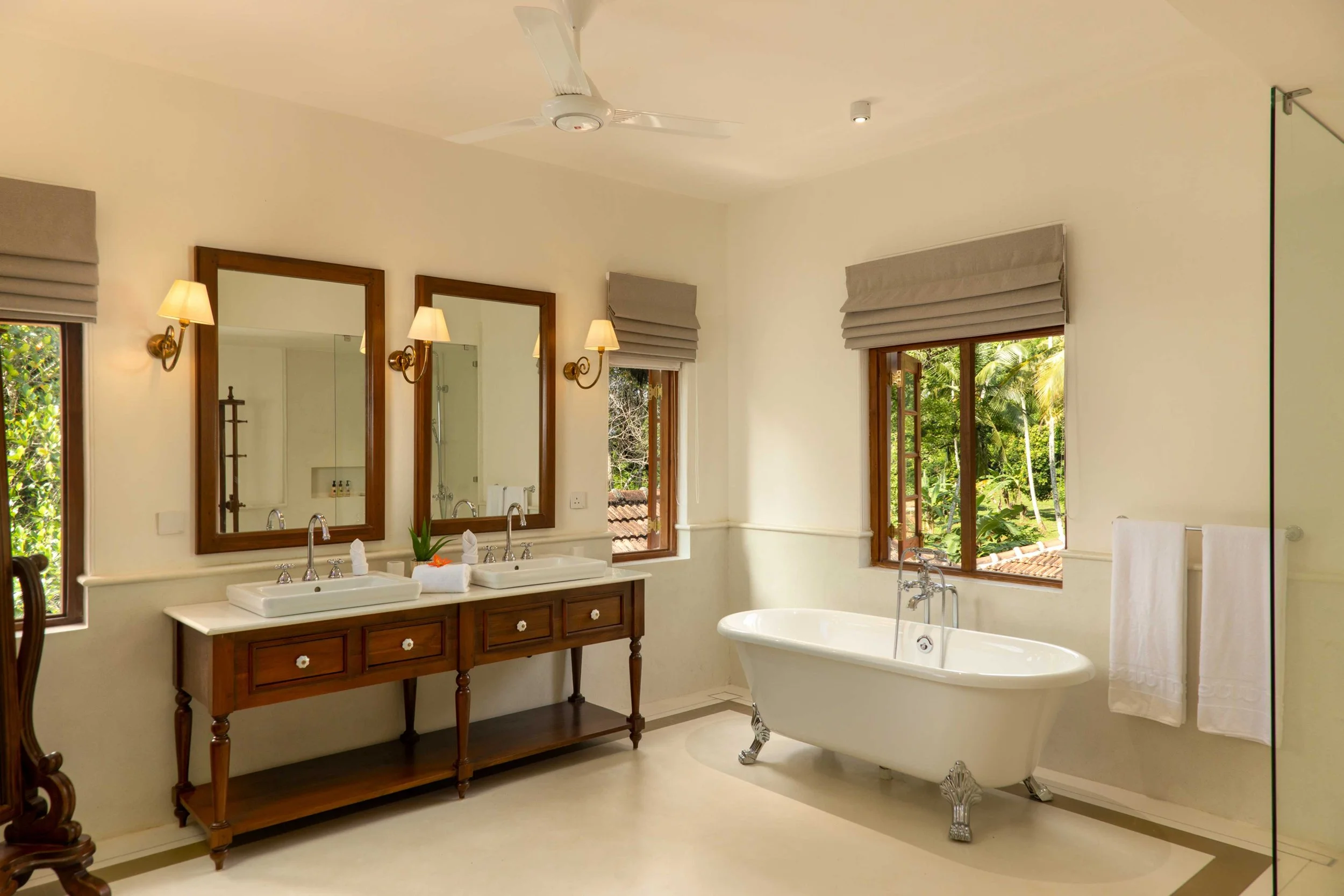
The original house had ten rooms but no attached bathrooms. Traditionally, says Fernando, toilets were located outside, so to make it workable as a luxury destination, the redevelopment combined adjoining rooms to create en-suite bathrooms. Fernando, who had actually considered living in the house himself, wanted the spaces to remain genuinely liveable.
Wahawa Walauwa carries the grand air of a historical home in its symmetrical facade, clay-tiled roof and columned entrance. The deep eaves cast shadows over the walls and windows below, which keeps the verandas noticeably cooler during the heat of the day. Arched openings recur throughout, and period furniture — carved wardrobes, cabinets and a large dining table — has been sourced from across the island, sustaining the domestic character of the house.
Hashan Cooray, director of marketing and development at Jetwing Hotels, describes the fundamental challenge of redeveloping a legacy estate like Wahawa Walauwa as the inability to simply command space; rather, he explains, it’s a negotiation. Similarly, Fernando describes the challenge as being to imagine the house as it had once been lived in.
This same principle shaped the work of project architect PWA Architects. Rather than reproduce a 19th-century appearance, the architects worked with what survived, using salvaged materials, lime plaster, teak and wal-del jackfruit wood while keeping wiring, lighting and drainage largely concealed.
One key tenet, notes PWA principal architect Philip Weeraratne, was that anything introduced had to be compatible with the old construction. Here, that speaks to a gentle approach: the natural lime mortar makes the structure breathable. Light still comes in through the courtyards. The old timber and plaster haven’t lost the marks of their earlier life. There are now six luxury suites, but the house still makes you move through its elegant spaces much as you would have before.
Text by Veidehi Gite
Photography courtesy of Jetwing Hotels